

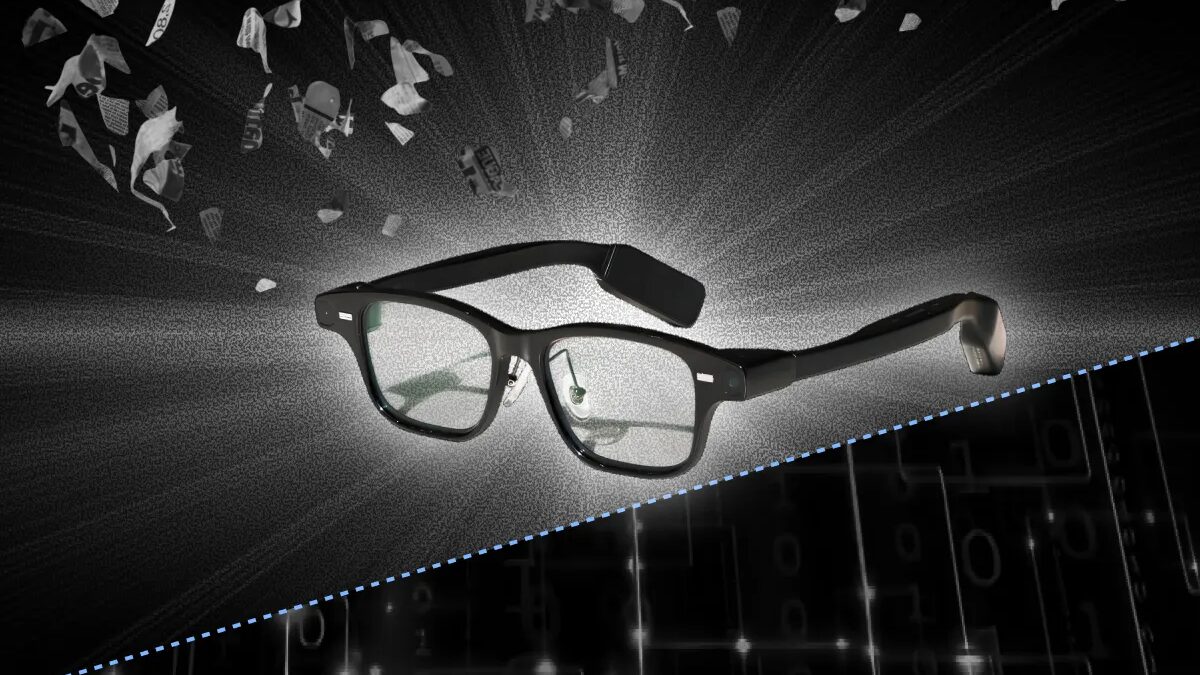
Smart glasses have raised fresh privacy concerns, and now a new Android app aims to push back. Nearby Glasses scans your immediate surroundings for Bluetooth signals emitted by smart eyewear from brands like Meta’s Oakley and Snap, alerting users when these devices are detected nearby. The open-source app uses unique Bluetooth identifiers to spot potentially surreptitious smart glasses, offering a rare way for people to keep tabs on invisible tech tracking them in public.
Developed by Iv Genreau, Nearby Glasses is designed to alert users about nearby smart glasses, whose capability to record audio and video discreetly has sparked growing privacy backlash. Although some smart glasses have LED indicators when recording, these can be disabled. More troublingly, recent features like instantaneous facial recognition put bystanders’ privacy at risk without their knowledge or consent.

Available on Google Play and openly hosted on GitHub, the app also allows users to input custom Bluetooth keys, letting the detection grow beyond the common Meta and Snap devices. However, Genreau warns that Nearby Glasses can produce false positives, mistakenly flagging other Bluetooth gadgets as smart glasses. He also stresses that the tool should not be weaponized to spy on or harass individuals suspected of wearing recording devices.
The impetus for the app stemmed from news reports of smart glasses being used for covert surveillance. Notably, there have been accounts of these devices aiding law enforcement raids targeting immigrants in the US, as well as being exploited for taking compromising recordings of sex workers. Genreau explicitly links the rise of such surveillance tech to enabling broader societal harms, including misogynistic behavior and a culture of abusive privacy violations.
This initiative raises difficult questions about the balance between emerging wearable technology and privacy rights. The debut of Meta’s Ray-Ban Display smart glasses in 2025 and Alibaba’s AI-powered Qwen smart glasses signal consumer tech’s ongoing integration of AI and real-time recognition features, which complicate consent and transparency even further.
While smart glasses promise convenience and new user experiences, their stealthy recording functions have now unleashed a wave of discomfort and pushback. Apps like Nearby Glasses suggest that grassroots digital vigilance may be one of the few ways to keep tabs on this quietly expanding privacy threat – at least until regulations catch up with the tech’s capabilities.