

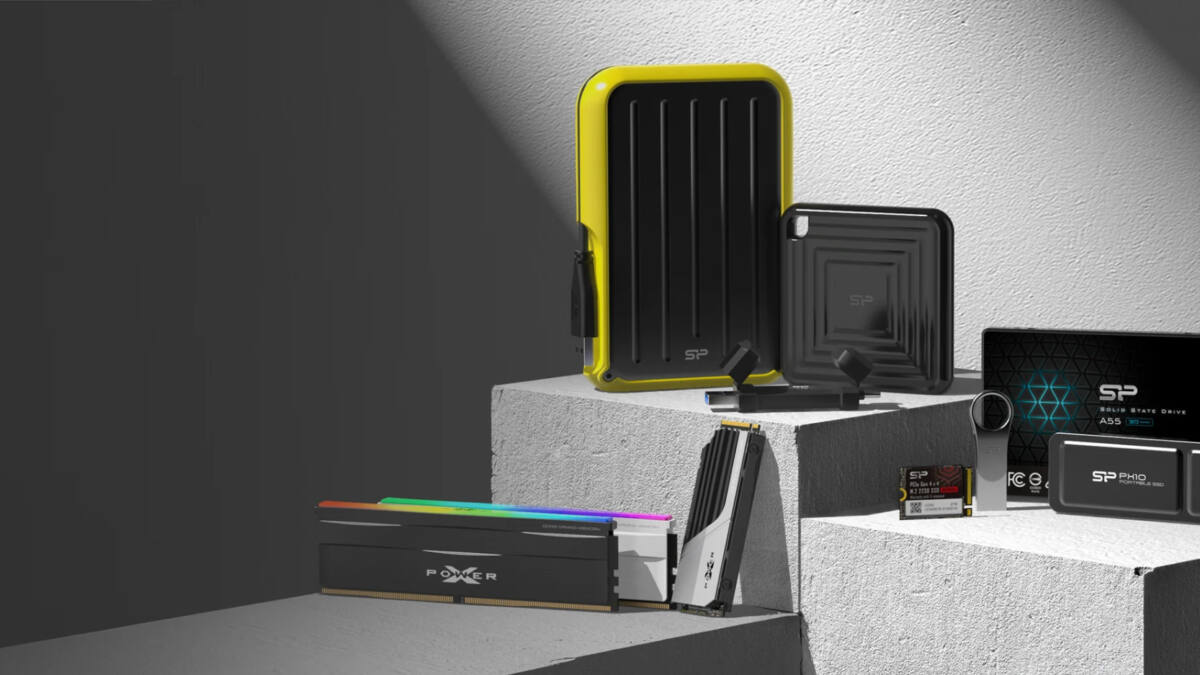
Silicon Power has updated its US online store policy to address escalating RAM and SSD shortages caused by supply chain disruptions and rising component prices. The company now states it will issue a full refund of the original purchase price if replacement products aren’t available during a warranty return. This step acknowledges the growing difficulty in sourcing flash memory chips, a problem smaller hardware producers face acutely in today’s tight market.
This updated refund policy differs from typical RMA approaches, where replacement hardware is usually guaranteed under warranty. Silicon Power’s move reflects the rising costs and scarcity of DRAM and NAND flash-fueled in part by AI-driven demand-that are pushing manufacturers to hedge against the risk of not being able to fulfill replacements. Unlike the US store, SP’s UK web store currently lacks this explicit notice but maintains a policy that replacements depend on product availability.
How Silicon Power’s warranty refund policy differs from other manufacturers
Other manufacturers still publicly promise replacements or equivalent products for faulty memory or SSDs. Examples include Corsair, Kingston, Samsung, and Western Digital, which sometimes offer refunds only if direct replacements or equivalent units cannot be provided. However, given current market dynamics, these policies may soon face revisions similar to Silicon Power’s adjustment.
- Corsair: Replacement at Corsair’s expense if product fails specs
- Samsung: Repair, replace, or refund based on current market value
- Western Digital: Replacement, equivalent product, or credit refund
- Kingston: Repair or replacement at Kingston’s option
- Sandisk: Repairs, replacements, or refund depending on offered options
Consumer protection laws affecting RAM and SSD warranty claims
Across regions, consumer protection laws typically allow buyers to choose between repair, replacement, or refund. However, these laws also recognize when a replacement becomes prohibitively expensive or impossible. The European Union’s directive and the UK’s Consumer Rights Act both permit sellers to opt for refunds if replacements would be disproportionate due to cost. The US relies more heavily on manufacturers’ warranty terms, with limited warranties and state-specific regulations shaping outcomes. Australia appears most consumer-friendly, supporting consumers’ rights to replacement or refund in case of major product failure.
Why memory chip shortages are driving warranty policy changes
The underlying driver is the steep increase in memory chip prices-up to four or five times higher than last year-causing manufacturers to reconsider risk and cost in fulfilling warranties. For consumers, it may be prudent to work directly with manufacturers for warranty claims on RAM and SSDs, especially as limited lifetime warranties on these products often provide broader coverage than retailers.

Outlook for RAM and SSD warranty policies amid AI-driven demand
The Silicon Power case might be the canary in the coal mine for other memory brands. As AI demand drives NAND and DRAM scarcity and prices skyrocket, other warranty policies could tighten or shift toward refund-first models. Consumers should keep a close eye on manufacturer updates and regional laws when navigating warranty claims on volatile product categories like memory and storage.