

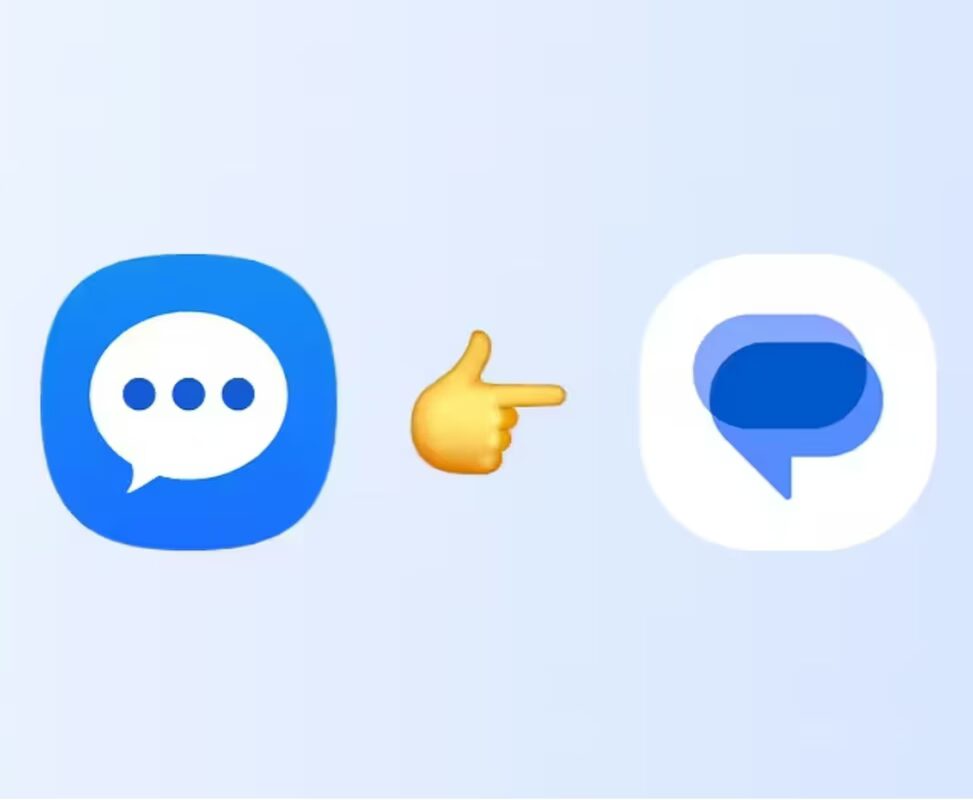
Samsung will officially shut down its proprietary messaging app, Samsung Messages, in July 2026, giving users roughly 12 weeks to transition before the service goes offline for good.
After the cutoff, Samsung Messages will likely be removed from both the Galaxy Store and Google Play Store. Galaxy smartphone owners are advised to switch to Google Messages to continue using SMS and access modern messaging features.
The switch is straightforward: install Google Messages, open it, and set it as the default SMS app. From then on, all texts will route through Google Messages.
Notably, Samsung Messages will continue to function on devices running Android 11 or earlier-even after the July 2026 deadline. Phone models like the Galaxy S9 and Galaxy Note 9 fall into this category, likely because newer versions of Google Messages aren’t fully compatible with older Android versions.
Samsung has been preparing users for this move since 2025, when it began shipping new phones, including the Galaxy S25 lineup, with Google Messages as the default messaging app. More recent models such as the Galaxy S26 have already dropped Samsung’s proprietary app entirely.
Even after Samsung Messages is discontinued, it will remain available for emergency use, such as contacting emergency services or designated emergency contacts.
Reasons for Samsung switching to Google Messages
The core reason behind this shift is support for the Rich Communication Services (RCS) standard, which delivers features far beyond traditional SMS. Samsung Messages was tied to carriers and lacked robust RCS capabilities, whereas Google Messages offers carrier-independent RCS with a richer feature set.
- AI-powered scam detection
- Cross-device message sync
- Real-time location sharing
- Upcoming video calling support
Samsung’s decision reflects a pragmatic shift away from maintaining a parallel messaging platform, instead relying on Google’s more feature-rich and widely adopted solution.
For context, Apple’s iMessage has long set the bar for integrated messaging experiences on iOS, while Google has been pushing RCS adoption as a cross-carrier upgrade for Android phones. Samsung’s move aligns with this trend, simplifying messaging for millions of Galaxy users worldwide.
Looking ahead, it will be interesting to see if Samsung opts to collaborate more deeply with Google on RCS enhancements or integrates additional services into Google Messages to differentiate its devices.