

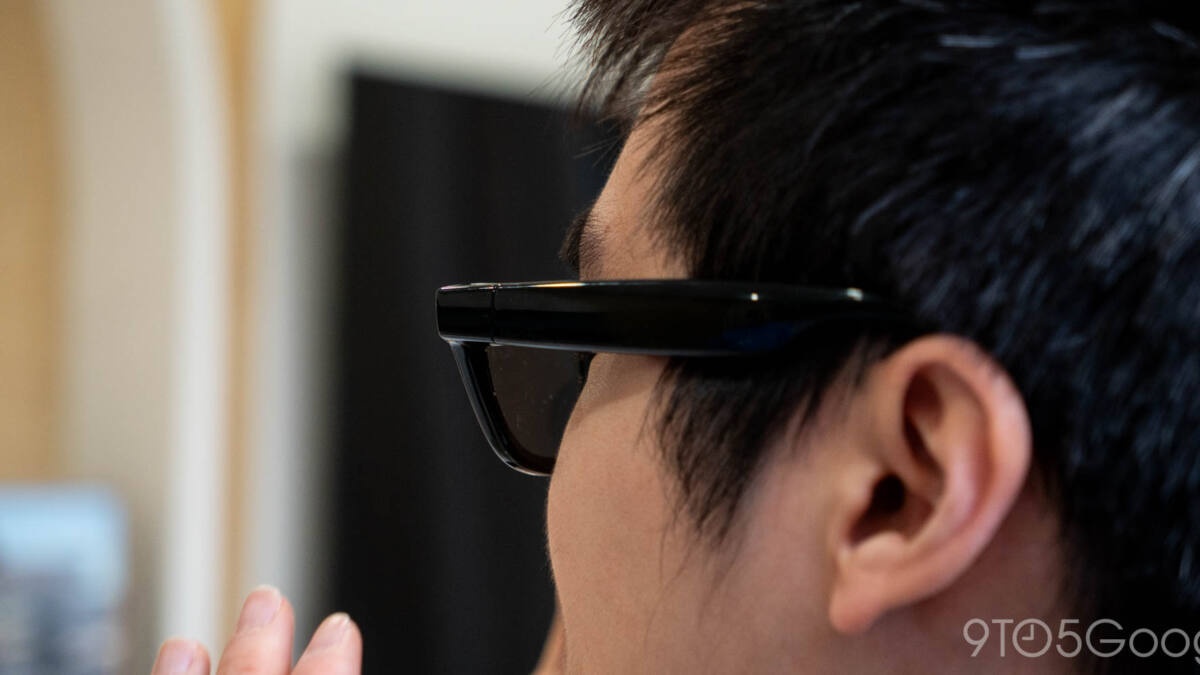
Samsung has officially teased its upcoming smart glasses set to launch in 2026, revealing only a few features while deliberately keeping key questions about the device’s display technology under wraps. The company confirmed that the glasses will include a camera placed near eye level, will connect to smartphones, and incorporate AI to track what the user is looking at. However, when pressed about whether the glasses will have built-in displays, Samsung declined to confirm – leaving a major piece of the puzzle unresolved just months before the anticipated release.
The scarcity of details at Mobile World Congress highlights the cautious approach Samsung is taking, contrasting Google’s continued demonstrations of near-ready transparent display technology for its own XR hardware. Industry insiders suggest Samsung is working on variants both with and without an embedded display, possibly hedging bets to match different user preferences or to overcome existing technical limitations.
By emphasizing smartphone connectivity over a standalone display, Samsung might be leaning towards a more companion-like wearable rather than a full augmented reality headset similar to the Apple Vision Pro. This strategy could allow the glasses to serve as a streamlined extension of a phone’s capabilities, rather than a completely independent device requiring complex visual hardware. Samsung’s approach mirrors how smartwatches initially leveraged phones for much of their processing and display needs.
Navigating the XR glasses market: Samsung’s strategic ambiguity
The smart glasses sector remains volatile, with technology and user demand still settling. Google’s recent demos showcased transparent OLED displays promising immersive augmented reality, but those products have faced challenges like bulkiness and battery longevity. Samsung’s silence on display specifics suggests it may be refining hardware or waiting for better components before committing publicly. This patience could pay off if they manage to balance usability, style, and battery life in a device that fits daily wear.
Meanwhile, Qualcomm’s CEO Cristiano Amon indirectly confirmed a 2026 timeframe for Samsung’s first smart glasses, aligning with a broader industry push to deliver more consumer-friendly XR devices this year. The collaboration ecosystem around Android XR is evolving fast, but Samsung’s emphasis on AI-driven gaze tracking without overtly promoting a display signals a different use case or form factor might be in play. Possibly, Samsung sees the future of glasses less about overlaying detailed visuals and more about context-aware assistance.
From a market dynamics perspective, Samsung’s move is both pragmatic and strategic. The company already controls popular smartphones and wearables, so introducing smart glasses as a complementary device rather than a standalone computer could broaden adoption without fragmenting their product ecosystem. Yet, this also leaves Samsung trailing behind rivals who have already committed to transparent display tech, risking perception as a follower.
As Samsung tightens its lips on display info, consumers and developers are left guessing what experiences these smart glasses will deliver. Will they merely notify and capture, or will they project full AR interfaces? The answer will shape not only Samsung’s success but the standards for Android-based XR hardware going forward.