

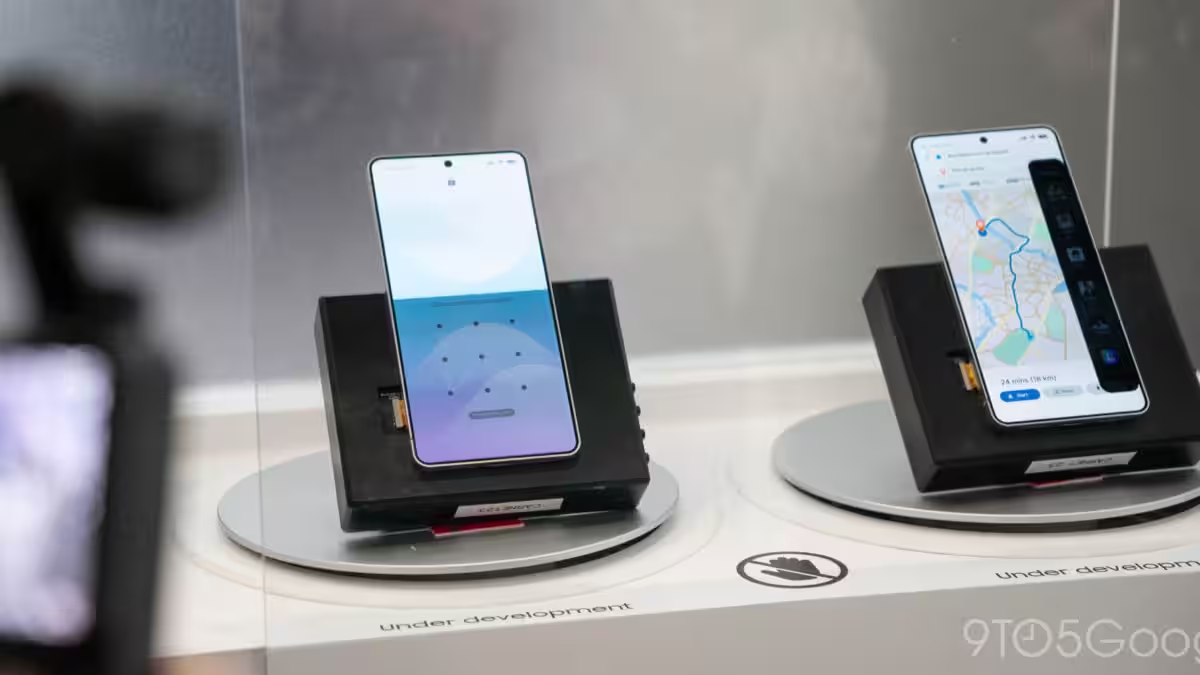
Samsung Display is deepening its exploration of privacy-focused screen technology at MWC 2026 by revealing enhanced Privacy Display features that can selectively black out segments of the screen, rather than the entire display turning private. Alongside this, Samsung is flaunting its latest panel innovations, including a brightness-boosted LEAD 2.0 screen and a futuristic slidable phone prototype, hinting at what’s next in mobile design and user privacy.
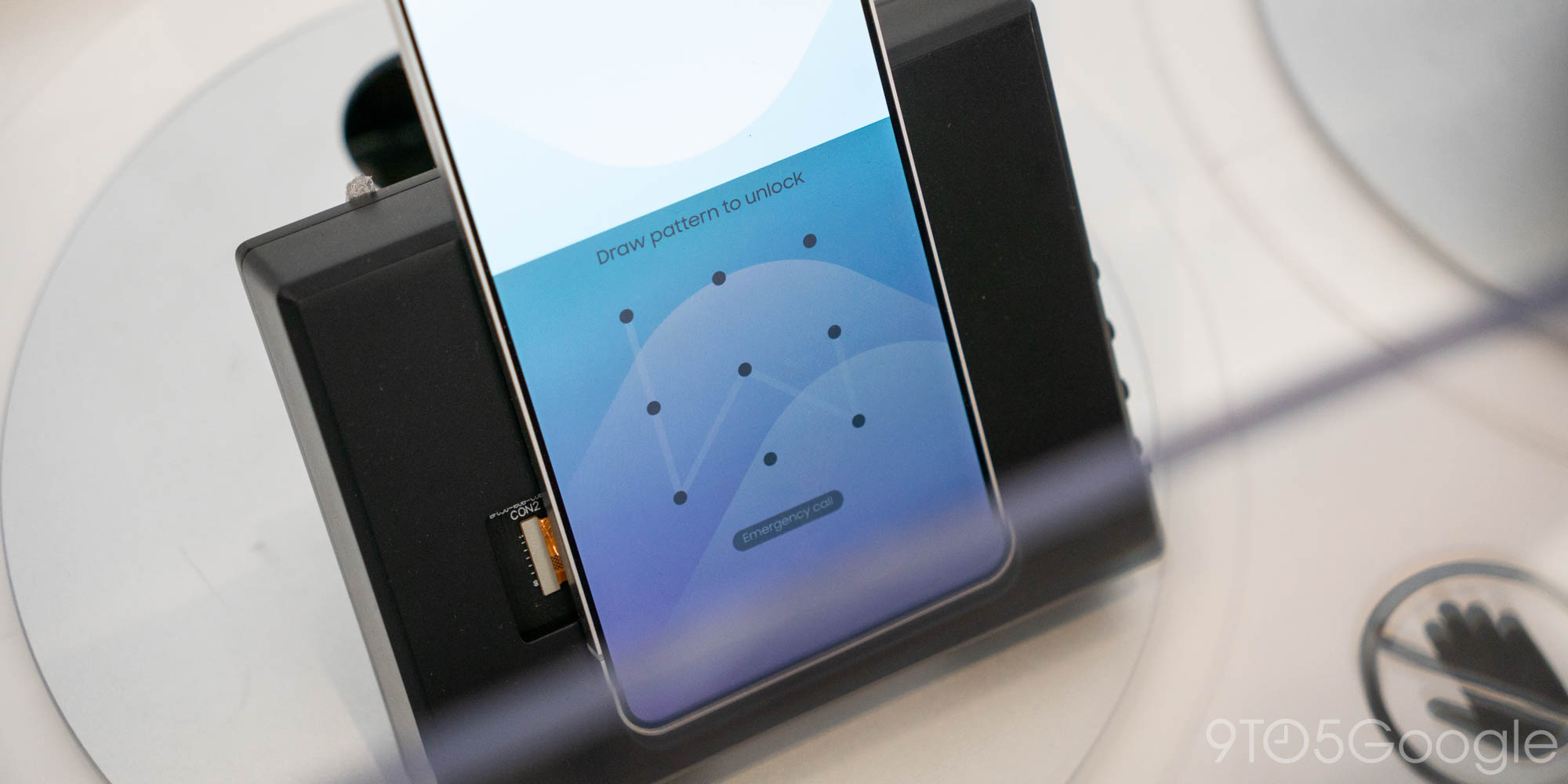
While Samsung’s Galaxy S26 Ultra debuted the Flex Magic Pixel technology powering its Privacy Display-where the entire screen dims to prevent shoulder surfers from peeking-the feature on show at MWC suggests a more nuanced approach. Now Samsung is experimenting with blocking only specific parts of the screen, such as the lower half where PIN inputs appear or the Edge panel area, rather than turning the whole display private.
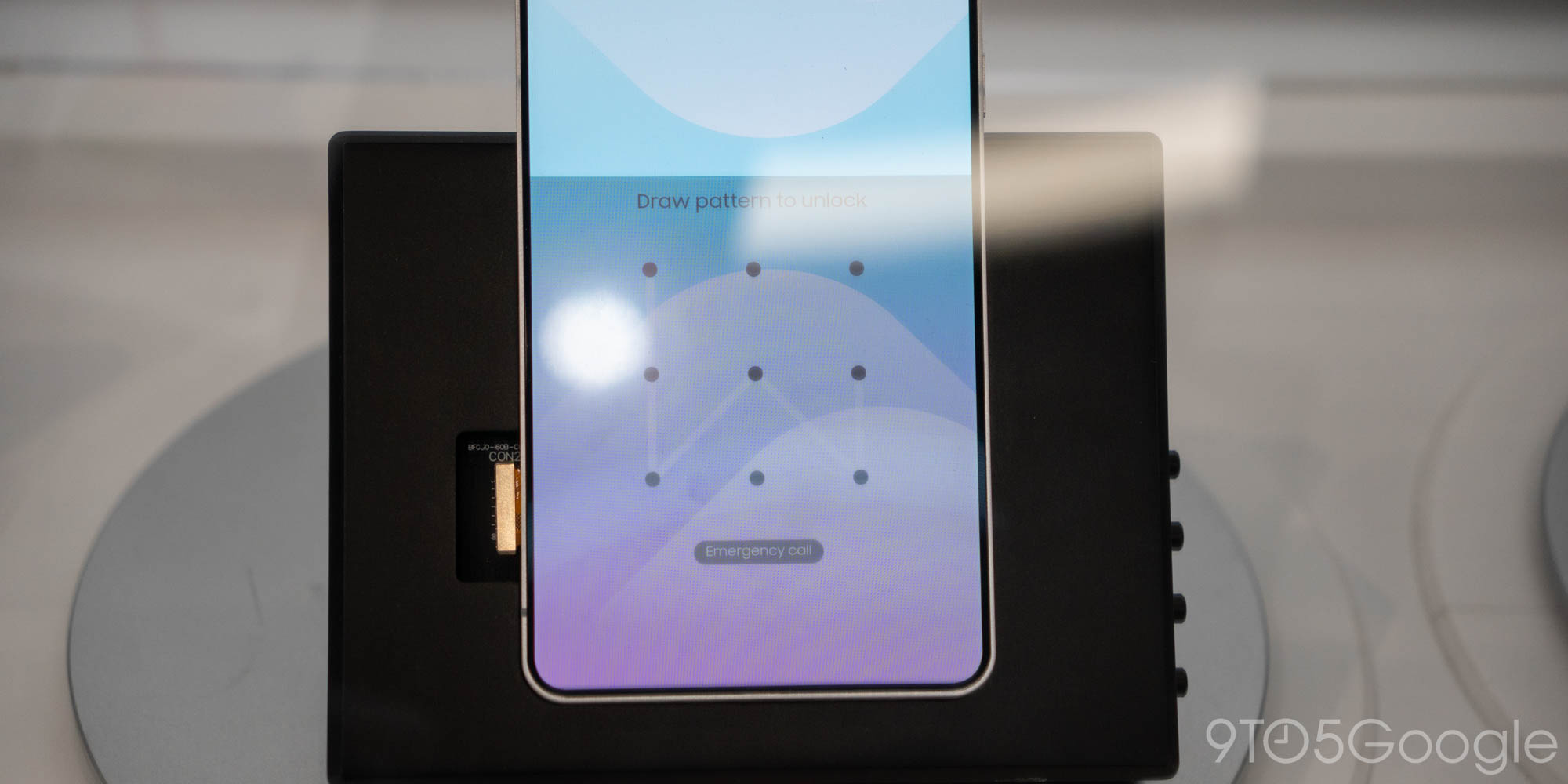
The current Galaxy S26 Ultra activates privacy mode fully during unlocking, which some find excessive if only PIN entry requires concealment. The partial privacy idea could allow, for example, banking apps to shield sensitive input fields discreetly while keeping the rest of the screen visible and bright. However, the selective edge panel privacy feels more experimental, leaving questions about its practical benefit. Samsung acknowledges these remain under development, with hardware ready but software refinements still pending, leaving room for future updates.
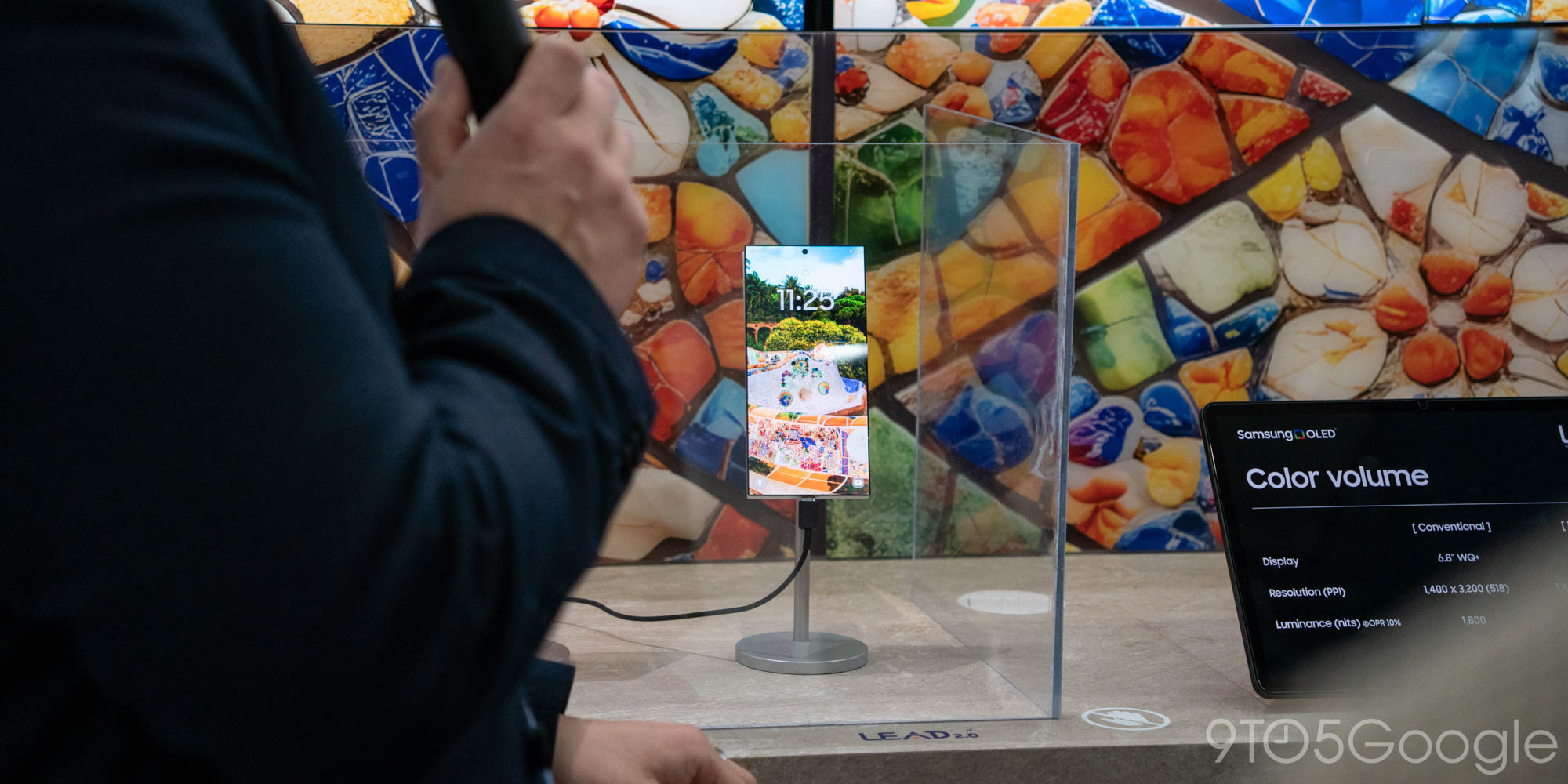
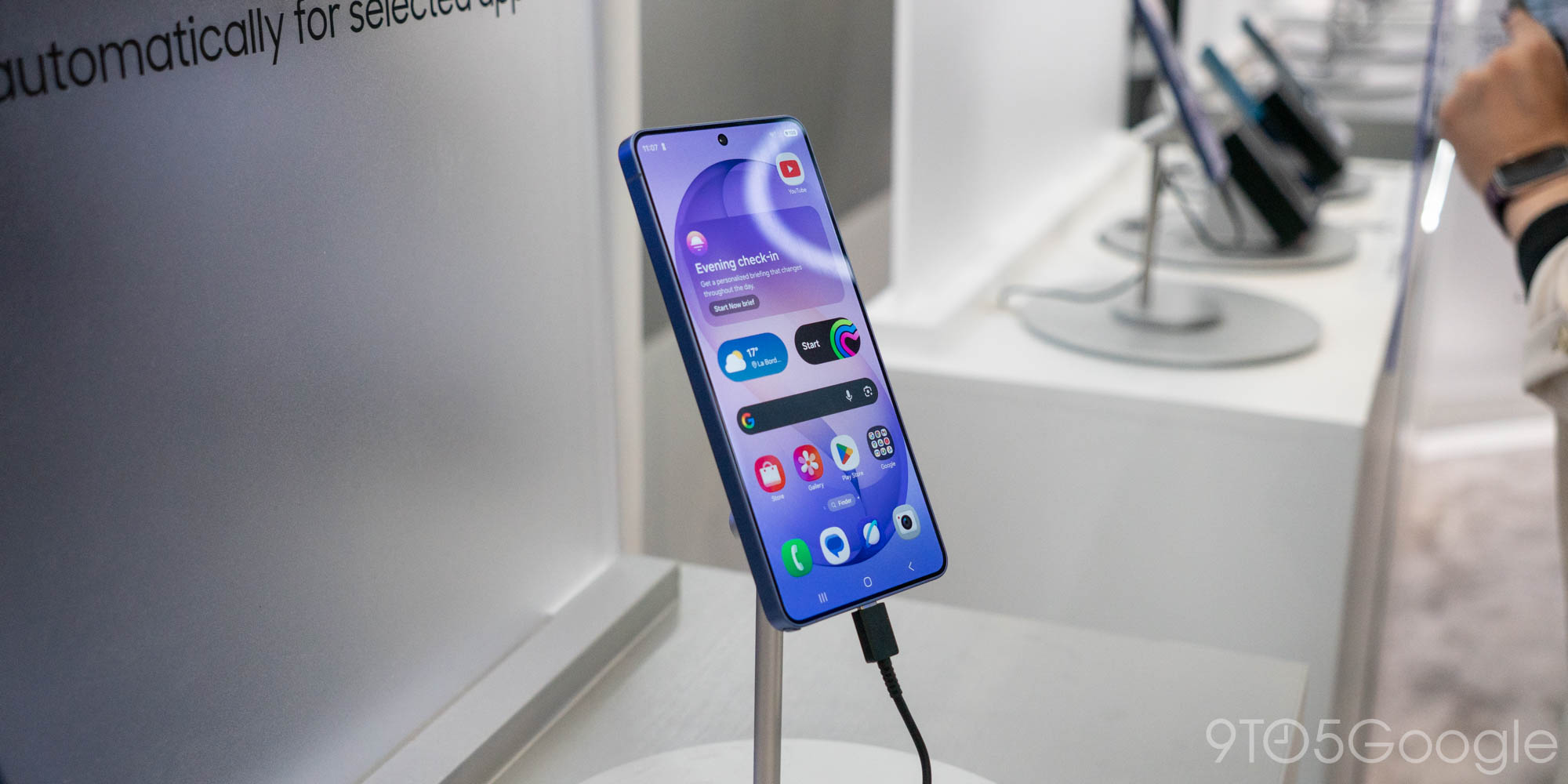
Beyond privacy displays, Samsung showcased LEAD 2.0, a next-generation OLED panel combining thinner bezels with brighter visuals-all while integrating the Flex Magic Pixel tech. This suggests Samsung’s commitment to balancing eye-catching hardware improvements with functional innovations like privacy protection. The integration of such features into increasingly slim and bright panels will be key for competitive differentiation in a market saturated with great screens.
Adding an offbeat touch to their showcase, Samsung brought out a slidable phone concept previously glimpsed behind closed doors at CES 2025. This device blends the compactness of a traditional phone with expandable screen real estate, offering a fresh take on foldables. Although still a concept, it demonstrates Samsung’s ongoing ambition to rethink form factors both for utility and novelty.
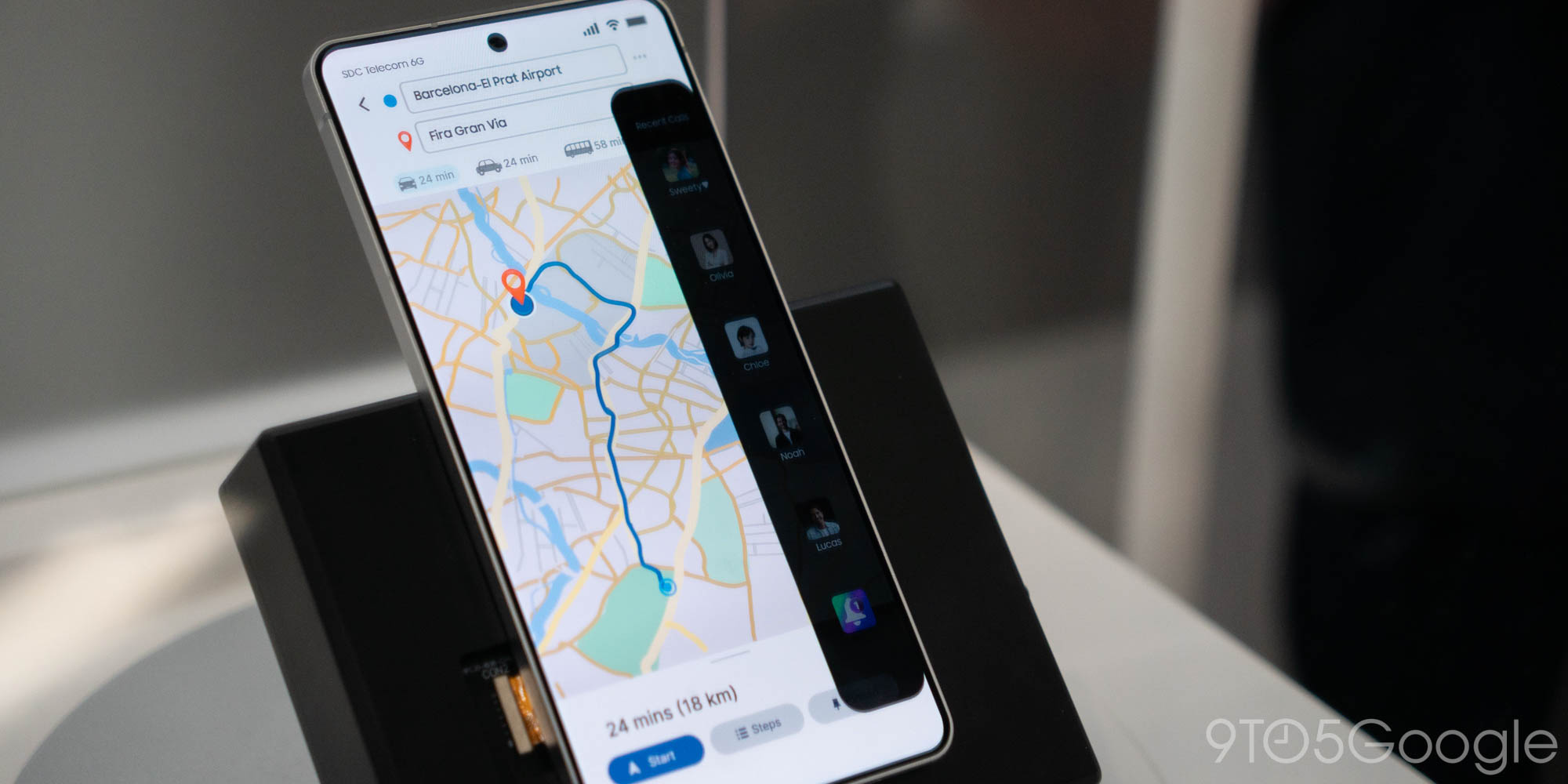
Samsung also highlighted the practical application of magnetic accessories with Galaxy S26 Ultras mounted on magnetic docks using Qi2-compatible magnets. This focus on magnetic alignment improves accessory compatibility and charging convenience, an area previously dominated by Apple’s MagSafe ecosystem. Samsung’s embrace here signals an intent to elevate user experience via hardware synergy.
Selective privacy screens: a subtle but meaningful step
The idea of partial privacy displays acknowledges a common annoyance: the all-or-nothing nature of current privacy screens. While Samsung’s Flex Magic Pixel tech debuted as an impressive whole-screen safeguard on the S26 Ultra, the new approach lets users mask only sensitive areas. For users and developers, this opens up possibilities: secure apps could selectively hide passwords or personal data fields without dimming the entire screen, preserving brightness and color vibrancy elsewhere.
Still, implementation matters. Samsung’s testing of bottom-half and edge panel privacy zones may feel incremental or even niche at first glance, but it marks a more flexible privacy paradigm. Meanwhile, competitors like Apple and Google have largely focused on software-level privacy alerts rather than hardware display controls, suggesting Samsung is carving a unique hardware-software niche.
Privacy displays have so far been sidelined in mainstream phones due to trade-offs in brightness and cost. Samsung’s ability to integrate this tech into thinner, brighter panels, as demonstrated with LEAD 2.0, might finally accelerate broader adoption. After all, without a balance between visibility and security, privacy displays risk marginal use.
Regarding future phone designs, the slidable concept hints Samsung isn’t ready to bet everything on folding screens. Slidable mechanics could sidestep some durability and crease issues inherent to foldables while still offering expanding displays. However, such designs must prove their longevity and user appeal before shaking up the market.
Samsung’s show at MWC 2026 illustrates a company exploring both incremental and adventurous paths forward. By balancing practical privacy screen innovations with eye-catching panel tech and bold form factors, Samsung is pushing the boundaries of what a smartphone screen can do. The big question: which of these will move beyond concept status and reshape the everyday mobile experience?