

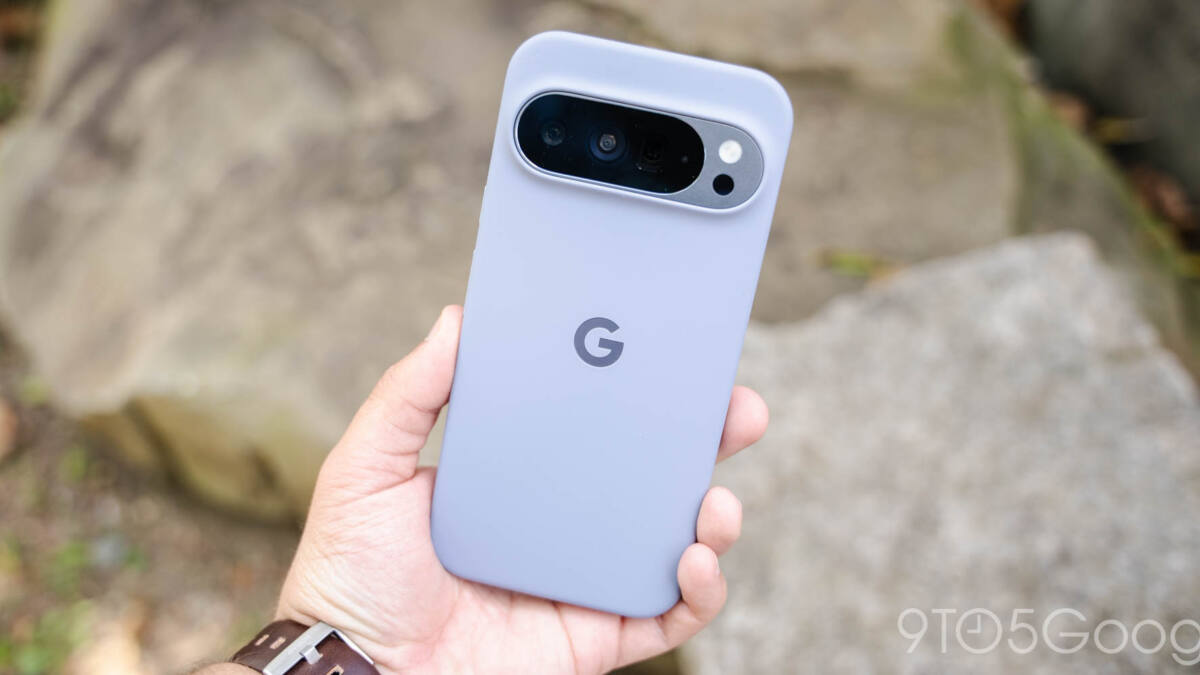
If you’ve ever wrestled your brand-new phone out of your jeans pocket only to feel like you’re pulling out part of your pants, you’re not alone. Both Samsung and Google have stuck with the same frustratingly grippy silicone material for their official Galaxy and Pixel cases for years-and it’s finally becoming hard to ignore. Despite the excellent hardware and growing popularity of these flagship devices, their first-party cases continue to make basic usability harder, not easier.
Silicone cases are widely favored for their grip and protection. But when that grip turns into a hand-snagging nightmare, it backfires. This has been a consistent complaint among users of Google’s Pixel cases, particularly from the Pixel 8 series onwards. Despite subtle tweaks, the bulky stickiness remains, with cases getting caught in pockets or fabric whenever users try to pull their phones out-something that drives productivity and comfort down instead of up.
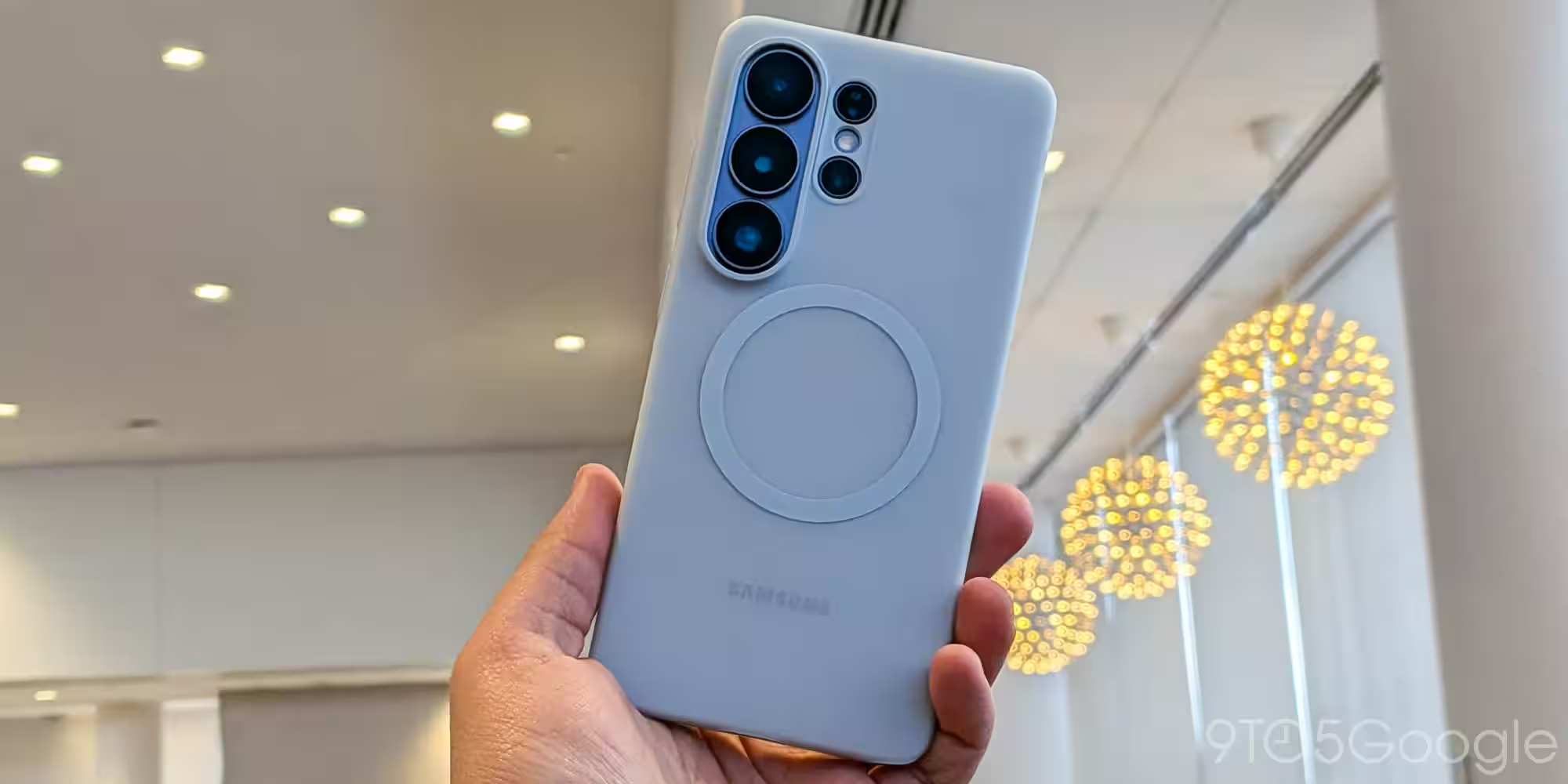
Samsung’s Galaxy S26 Ultra official silicone case doesn’t help matters either. In fact, some users find it even more challenging to slide their phones in and out of tight pockets. The case’s silicone feels premium and secure in the hand, but this very ”helpful” friction turns counterproductive when navigating everyday carry routines. It raises the question: are these brands prioritizing grip over convenience, or simply ignoring the daily frustrations their users face?
Official cases usually wield a reputation of quality craftsmanship and precise fit. And on the face of it, Google’s focus on color-matching their Pixel cases is commendable-it makes for a stylish and cohesive look that users appreciate. But style can only carry you so far when the fundamental experience of handling the phone involves battling the case’s grip to retrieve it from your pocket or bag.
This sticky case problem also reflects a larger issue in the Android ecosystem: first-party accessories lag behind iPhone equivalents in polish and practical design tweaks. While Apple’s ecosystem enjoys a broad variety of case materials and finishes that almost never irritate pocket users, Samsung and Google seem stuck on a formula that’s ripe for an update.
There’s no shortage of third-party case options that strike a better balance between grip, slip, and protection. But many new phone owners lean toward official cases expecting better quality control and compatibility. When official accessories underdeliver, users either suffer quietly or spend extra on alternatives-both less-than-ideal outcomes.
If Samsung and Google want to maintain their premium image beyond the device itself, refreshing the silicone case material seems overdue. Could a matte finish, softer texture, or less rubbery compound ease pocket friction? Or could hybrid cases with mixed materials solve this for good? Until then, users stuck with official silicone cases might want to invest in slim, slicker third-party covers or toughen up their jeans pockets.
With smartphones becoming more seamless-even folding-they deserve accessories that don’t make everyday handling a chore. The question is whether these two tech giants will rethink their approach before users simply bypass their official cases altogether.