

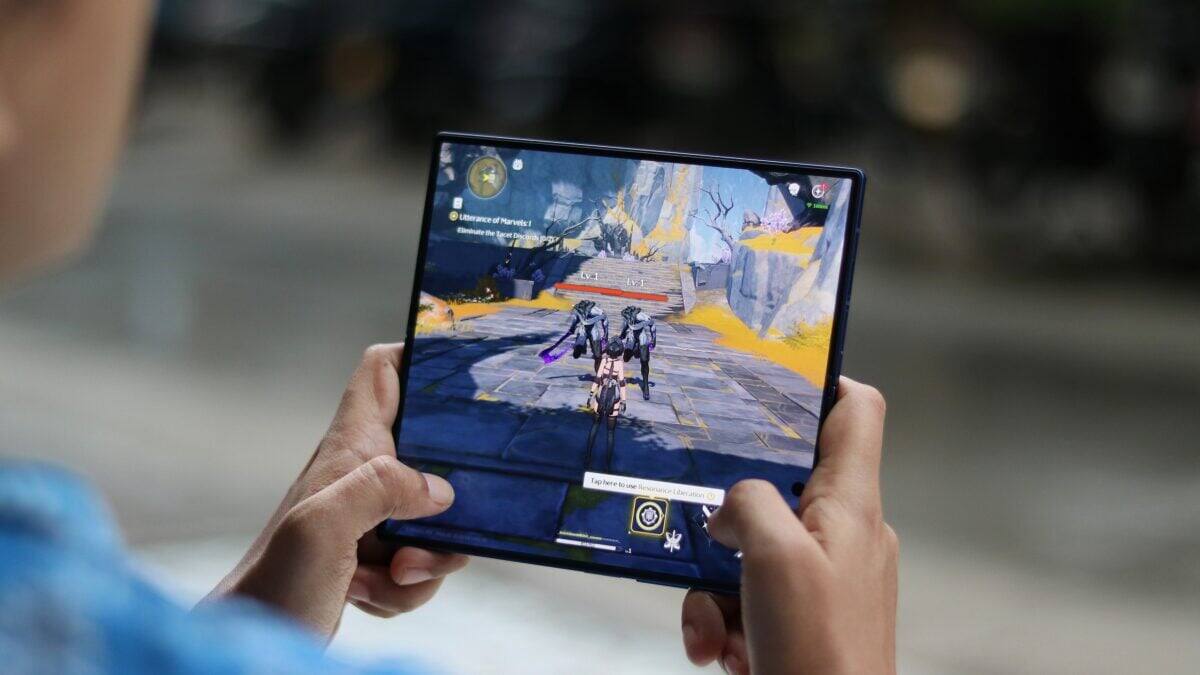
Samsung is expected to maintain the Galaxy Z Fold 8’s price near the $2,000 mark, mirroring the cost of the previous Galaxy Z Fold 7. This strategy appears linked to Apple’s imminent foldable iPhone launch, which is rumored to hit a similar price point to directly challenge Samsung’s dominance. Despite rising component costs, especially for memory chips and processors, Samsung seems inclined to resist increasing the Fold 8’s price, signaling a competitive pricing battle in the emerging foldable smartphone market segment.
Production figures indicate Apple’s confidence in its first foldable iPhone, having increased initial manufacturing targets from 8 million to potentially 15 million devices this year. Early conjectures pegged the new iPhone’s price at $2,400, but recent leaks suggest it could be priced closer to $2,000, putting it in head-to-head competition with Samsung’s flagship Galaxy Z Fold 8.
Samsung faces a dilemma: semiconductor expenses are climbing, yet matching Apple’s pricing seems vital to retaining market share against the Cupertino giant’s entry. In response, Samsung is diversifying its supply chain, increasing reliance on Chinese parts suppliers to offset rising costs from South Korean component makers. This shift might help avoid a price hike, but it also underlines the growing competition and cost pressures in foldable phone production.
Galaxy Z Fold 8 expected specifications
The Galaxy Z Fold 8 is shaping up as a premium foldable smartphone featuring:
- 6.5-inch cover OLED display
- 8-inch foldable OLED main display
- Triple rear camera setup:
- 200MP primary sensor
- 50MP ultrawide lens
- Telephoto lens with 3x optical zoom
- Dual 10MP front-facing selfie cameras
- Qualcomm Snapdragon 8 Elite Gen 5 chipset customized for Samsung
- 5,000mAh battery with 45W fast charging support
- Additional features including IP58-rated water and dust resistance, side-mounted fingerprint scanner, NFC, UWB, Wi-Fi 7, Bluetooth 6.0, and USB 3.2 Gen 1 Type-C port
Samsung’s approach of holding the Galaxy Z Fold 8 price steady, even amid supply chain shifts and component inflation, could reshape pricing expectations for premium foldable smartphones going forward. Apple’s mass production ramp and competitive pricing might force Samsung to fight harder for foldable supremacy as this category evolves beyond early adopters.