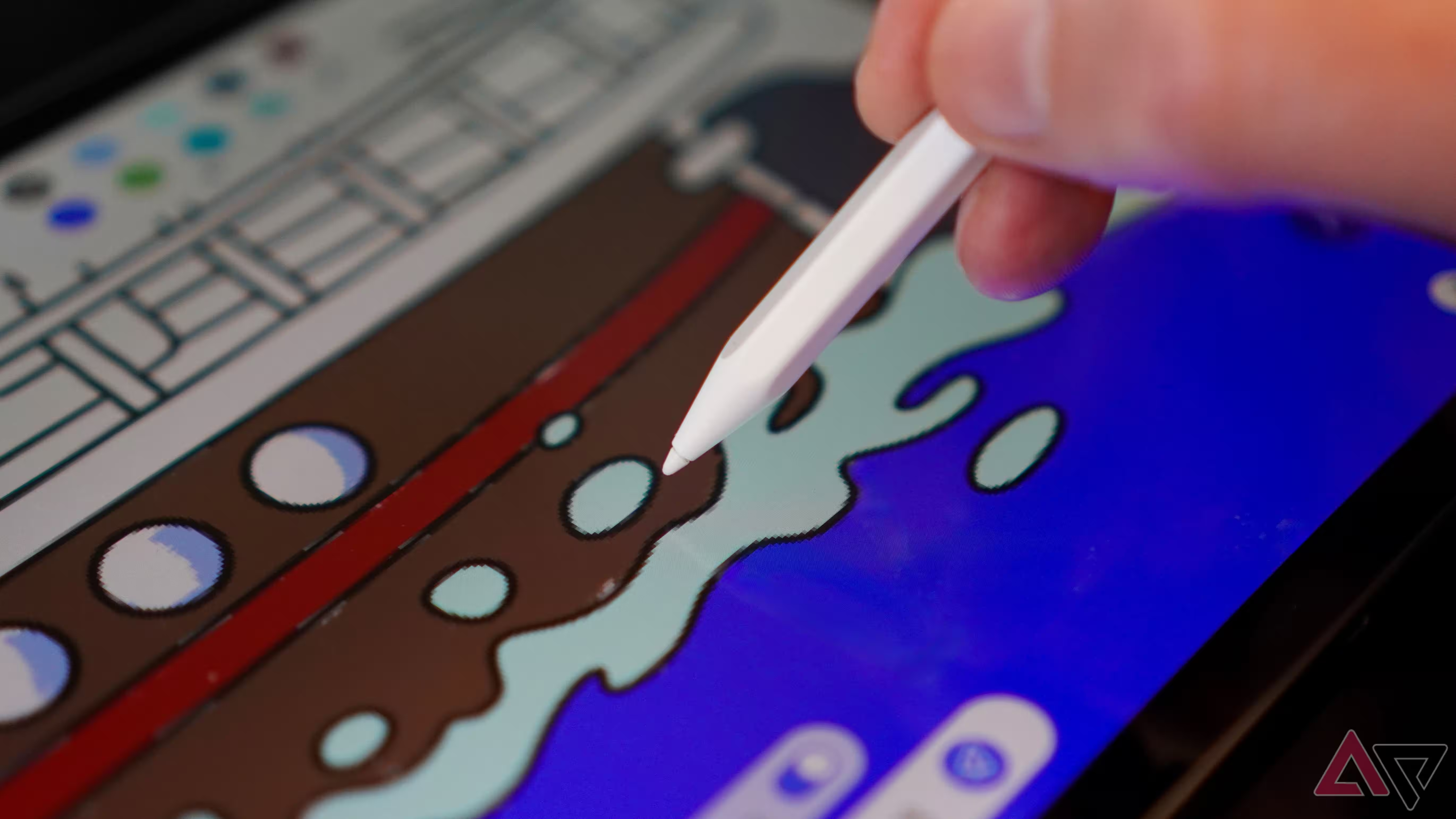
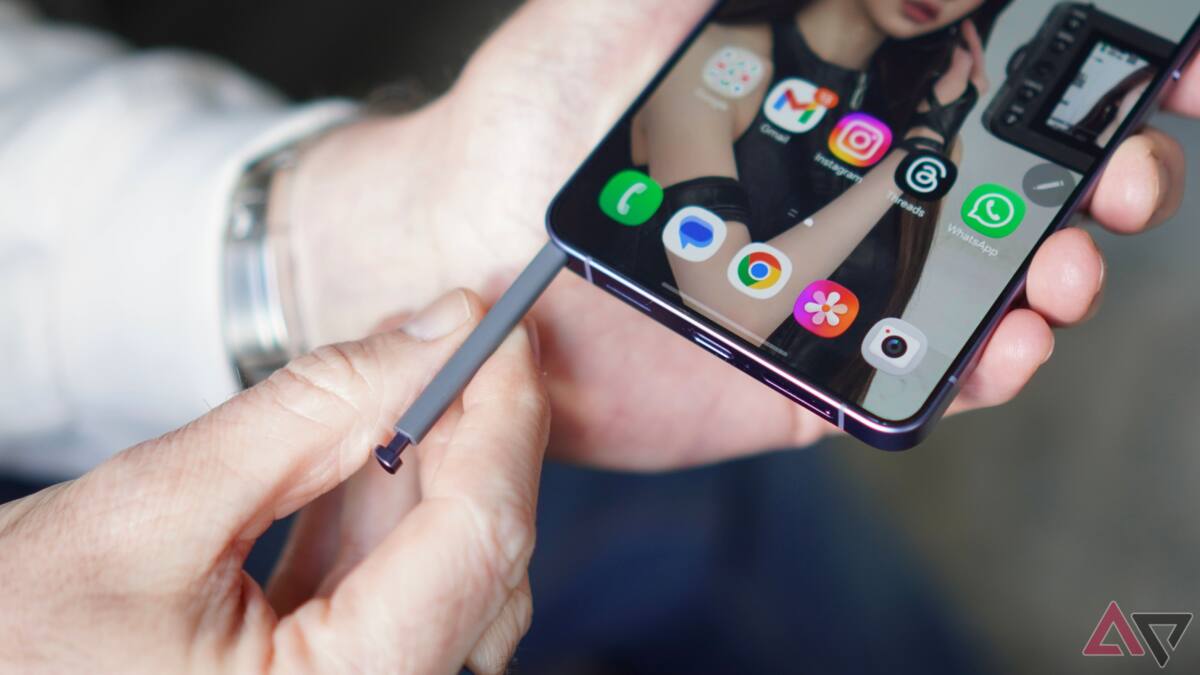
Samsung has reportedly abandoned plans to introduce a new S Pen design with the upcoming Galaxy S27 Ultra, prioritizing reliability over a slimmer phone profile. Early rumors hinted that the Galaxy S27 Ultra might lose the traditional under-display digitizer to shrink its chassis by 0.3 mm, but the South Korean company reversed course after weighing the potential drawbacks.
The intended change would have replaced the existing S Pen technology with an Active Electrostatic (AES) system, requiring the stylus to house its own battery. This change risked making the pen bulkier and introduced concerns over battery failures and added complexity for users. Given the S Pen’s role in the Ultra line’s appeal, Samsung opted to retain the tried-and-true digitizer method used in the Galaxy S26 Ultra.
Samsung’s pivot also appears influenced by shifting market dynamics. The zeal for ultra-thin smartphones has waned, and with the company scaling back its Edge screen efforts, squeezing every fraction of a millimeter no longer drives development decisions. By sticking with the existing S Pen technology, Samsung ensures full stylus functionality remains intact for the Galaxy S27 Ultra, even if the device won’t be the slimmest flagship of 2027.
This move echoes a broader trend where tech companies prioritize user experience and reliability over minimal design gains. While engineering to trim device thickness can be impressive, it often invites trade-offs that impact everyday use. Samsung’s choice underscores how integral the S Pen experience is to the Ultra series-a compromise on design thickness is acceptable if it means maintaining the pen’s seamless performance.
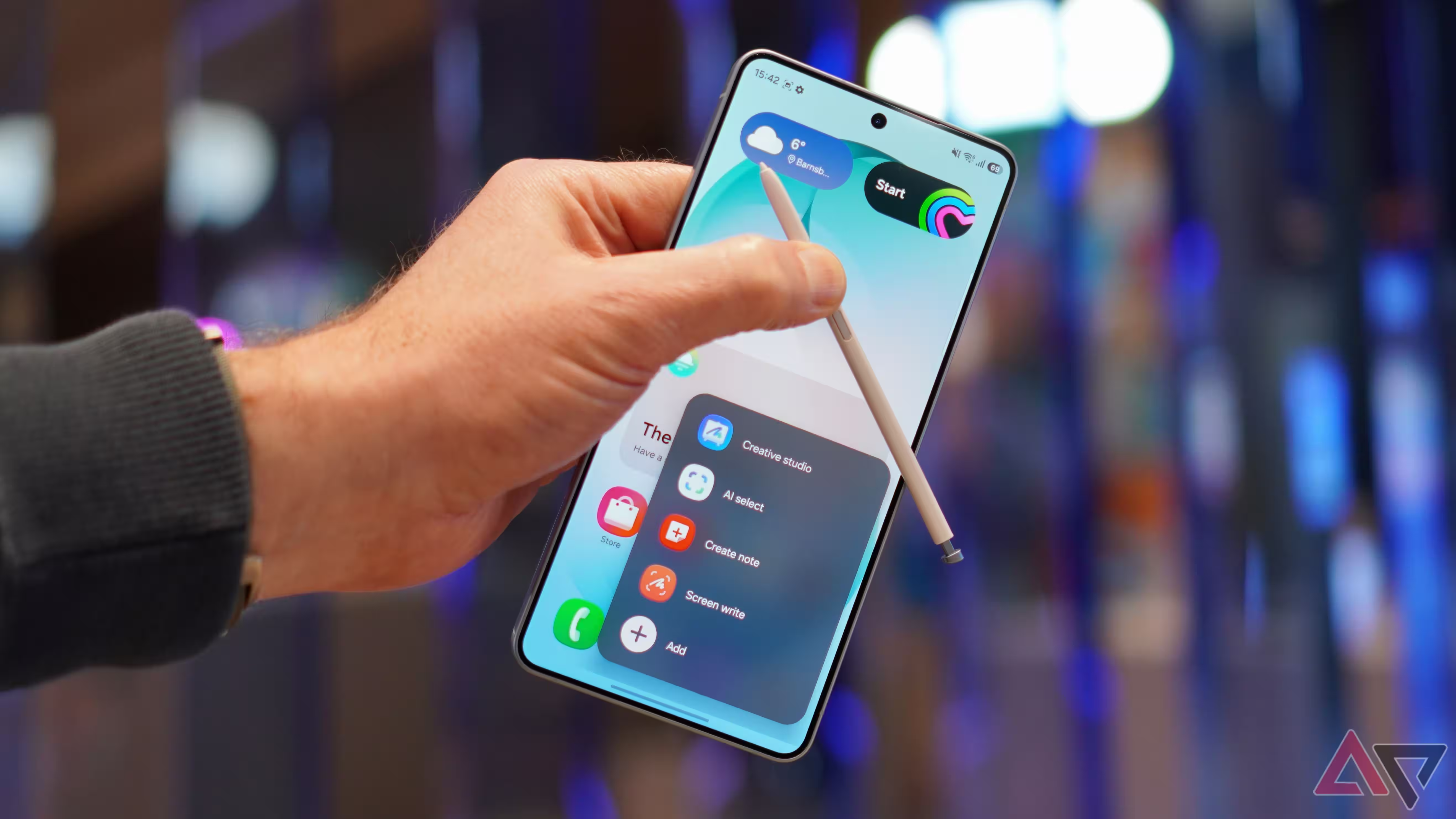
For context, the Galaxy S26 Ultra, Samsung’s current flagship with S Pen support, features a 6.9-inch Dynamic AMOLED 2X display with a 3120 x 1440 resolution, powered by the Qualcomm Snapdragon 8 Elite Gen 5 chipset. While the Galaxy S27 Ultra’s final specs remain under wraps, retaining the conventional S Pen system signals Samsung’s commitment to the stylus-centric productivity segment without compromising usability.