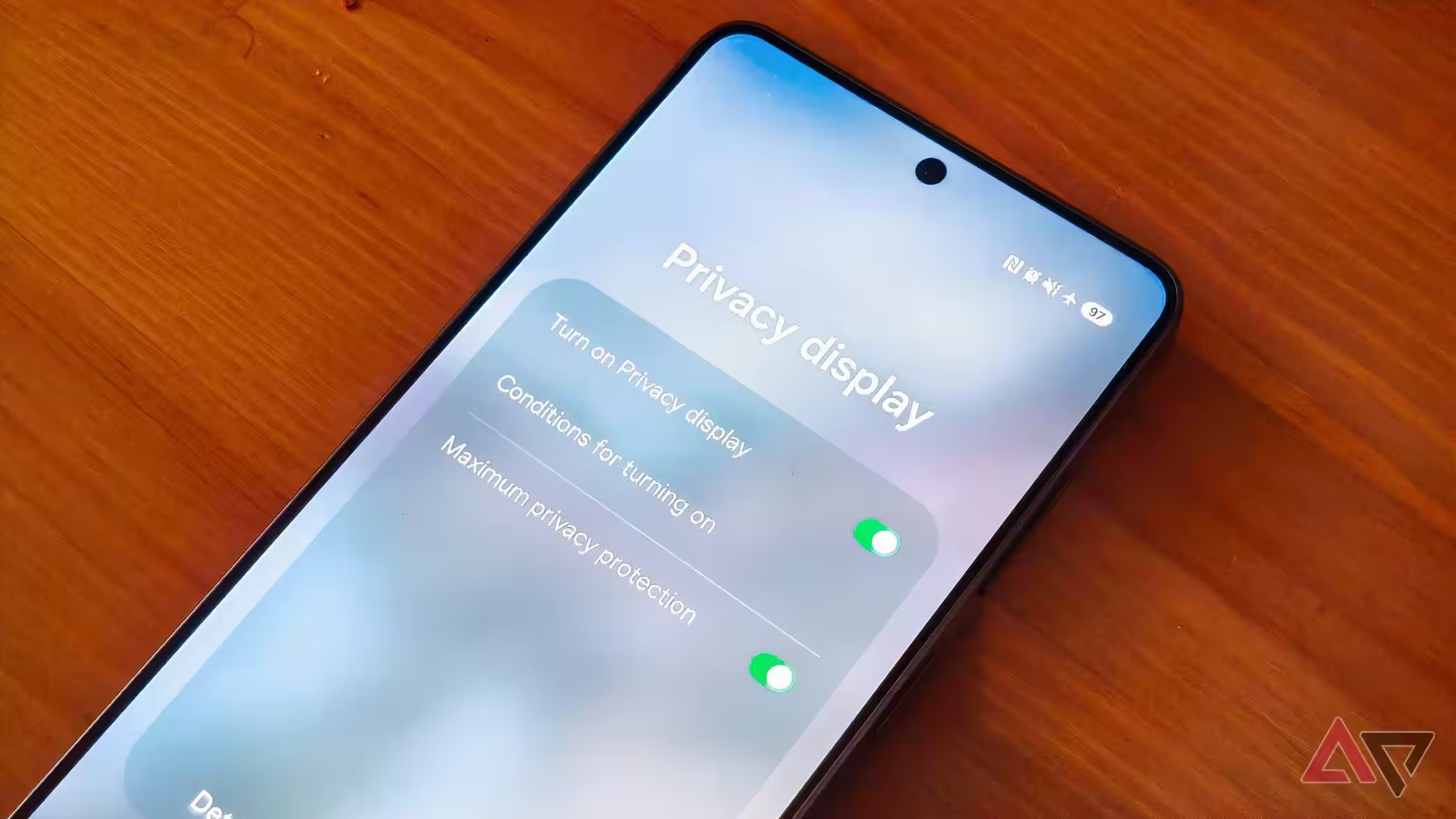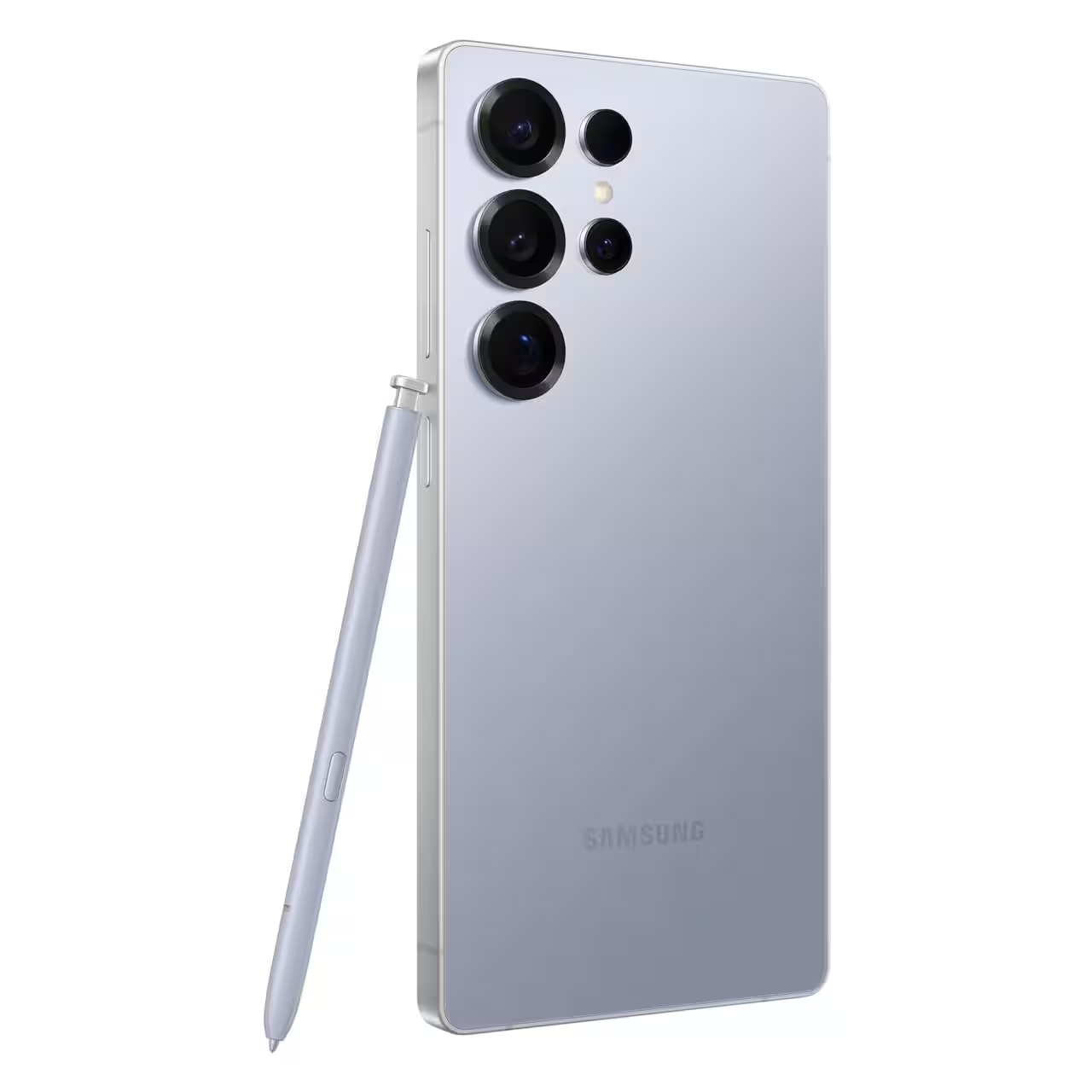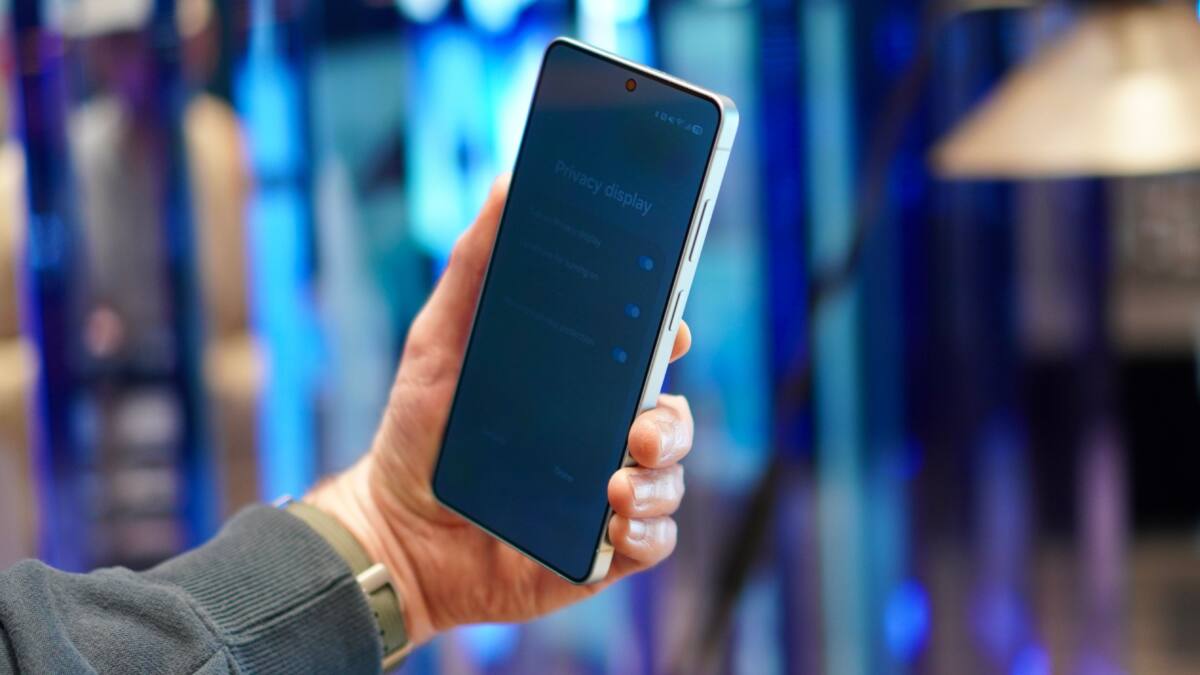
Samsung’s Galaxy S26 Ultra introduces a new Privacy Display feature designed to limit screen visibility to only the person directly in front of the device. While innovative screen technologies often come with battery-life trade-offs, testing reveals this one makes almost no dent in power consumption. The Privacy Display manipulates light at a pixel level rather than using a simple filter, raising questions about its impact on energy use and device performance.
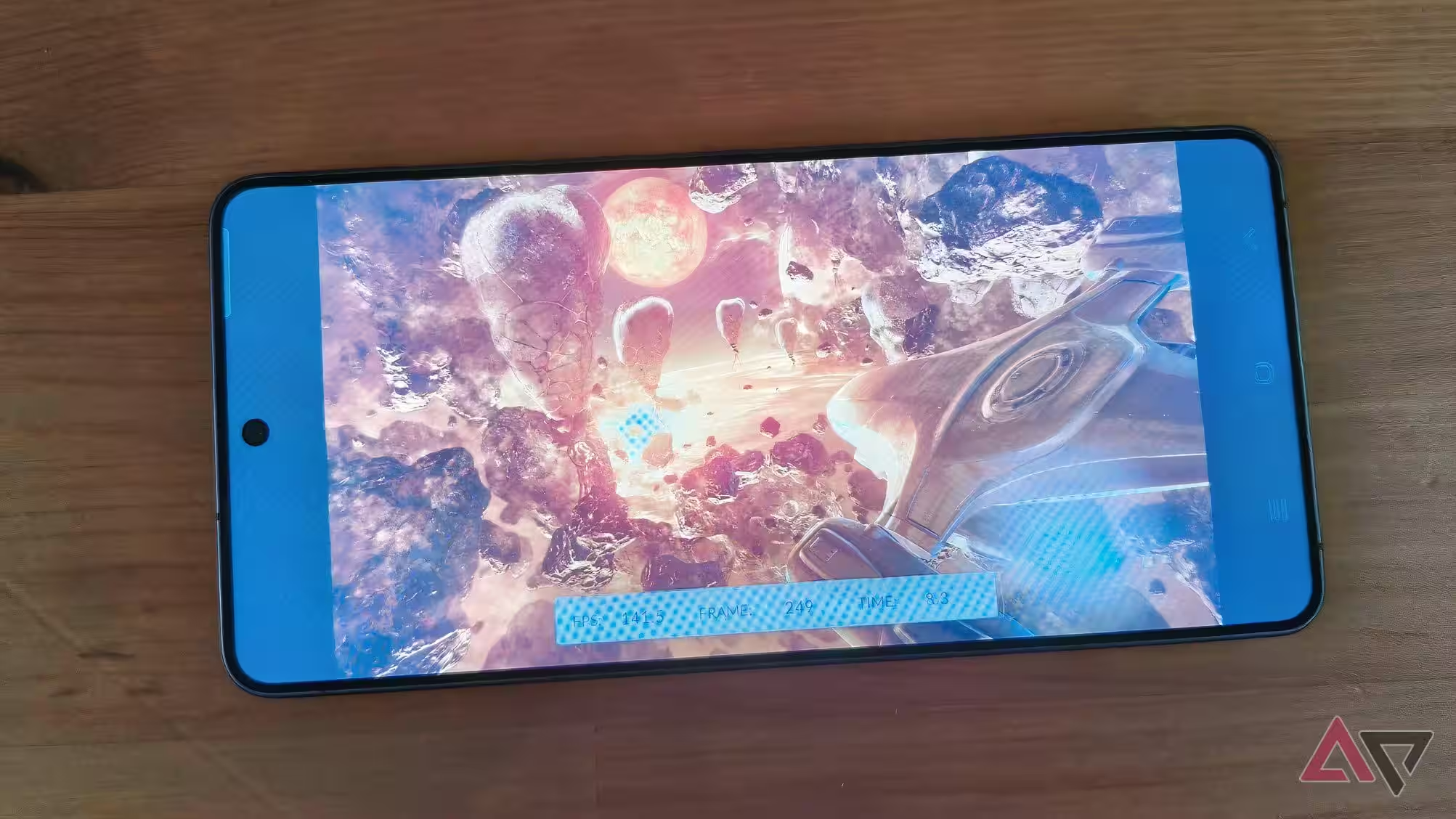
In a series of controlled tests using 3D Mark’s endurance benchmark and video playback loops, the Galaxy S26 Ultra’s battery drain remained nearly identical whether the Privacy Display was enabled or not. After three back-to-back 20-minute benchmark sessions mimicking sustained gaming, battery percentages were within 1% across both modes. Similarly, a 90-minute video playback test showed negligible difference-2% drain without Privacy Display, 3% drain with it.
Interestingly, although the battery impact was minimal, subtle performance nuances emerged. Benchmark scores suggested the phone ran slightly cooler with Privacy Display active, delaying heat-induced slowdowns common in intense workloads. This hints that the technology might redirect or reduce light emission efficiently enough to lower heat buildup without extra battery cost.
How Samsung’s Privacy Display technology works
Samsung’s implementation is a departure from past privacy solutions relying on external film layers or screen protectors. By controlling light emission at the pixel level, the screen directs illumination forward exclusively to the user, blocking side angles. In theory, this precision could reduce wasted light and conserve energy, but as tests show, the power savings are minimal, if any.
The technology also influences visible brightness and color vibrancy, with users noting the screen appears dimmer and less vivid when Privacy Display is enabled. Despite this, those concerned about visual distractions or shielding sensitive content will find the feature useful, especially given its negligible impact on battery life.
Battery and performance testing under gaming loads
Using 3D Mark’s endurance tests offered a way to simulate extended gaming, a scenario prone to rapid battery depletion and thermal throttling. The results showed consistent battery drain around 9% every 20 minutes whether Privacy Display was on or off. The phone’s performance benchmarks ran about 200 points higher with the feature disabled, but with Privacy Display enabled, the phone maintained peak scores longer before thermal drops.
These results suggest that while the Privacy Display might slightly reduce screen brightness and heat output, it doesn’t demand more power. For gamers and heavy users, this means the feature could help prolong performance consistency without sacrificing endurance.
Privacy Display benefits for consumers and future smartphones
Given that battery anxiety is a major factor for Android enthusiasts, Samsung’s achievement here is notable. Users no longer need to fear that enabling Privacy Display will sap their smartphone’s stamina-battery life remains effectively unchanged. The practical takeaway: whether you prioritize privacy or pure brightness, the feature can be toggled without major power concerns.
Innovations like Samsung’s pixel-level Privacy Display are a glimpse at how future phones may balance new functionalities with energy efficiency. While Samsung’s Snapdragon 8 Elite Gen 5 chipset and a 5,000mAh battery support the Galaxy S26 Ultra’s demands, the low power cost of the Privacy Display is a sign of refined screen tech moving forward.