

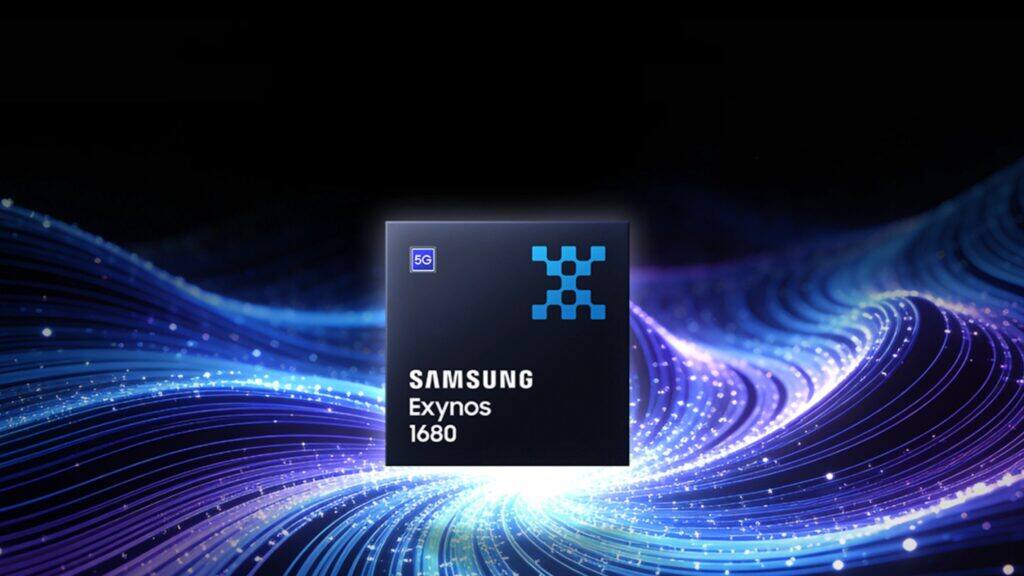
Samsung has revealed its latest Exynos 1680 chipset, set to power the upcoming Galaxy A57 smartphone. Rather than chasing headline-breaking specs, this new chip targets a smoother everyday experience, promising improved performance and efficiency for mid-range users.
Built on Samsung’s refined 4nm process, the Exynos 1680 sports a familiar CPU layout with one Cortex-A720 core clocked at 2.9GHz, alongside four additional Cortex-A720 cores and three Cortex-A520 efficiency cores. This balanced configuration is designed to offer fluid app switching and consistent performance over prolonged use, addressing a common pain point in mid-range smartphones.
The GPU has received a meaningful upgrade with the Xclipse 550, leveraging AMD’s RDNA 3 architecture for roughly 15% better graphics performance compared to previous generations. While not a monumental leap, it boosts gaming stability and smoothness, paired with support for Full HD+ displays running up to 144Hz-features that are trickling down from flagship phones to enhance mid-tier models.
Samsung has also markedly improved AI processing with an NPU capable of 19.6 TOPS, a third more powerful than its predecessor. This jump translates to quicker, smarter camera enhancements and AI features integrated into the One UI system. Meanwhile, the chipset embraces premium memory and storage standards, supporting LPDDR5X RAM and UFS 4.1 storage, typically reserved for higher-end devices, which should accelerate app launches and overall responsiveness.
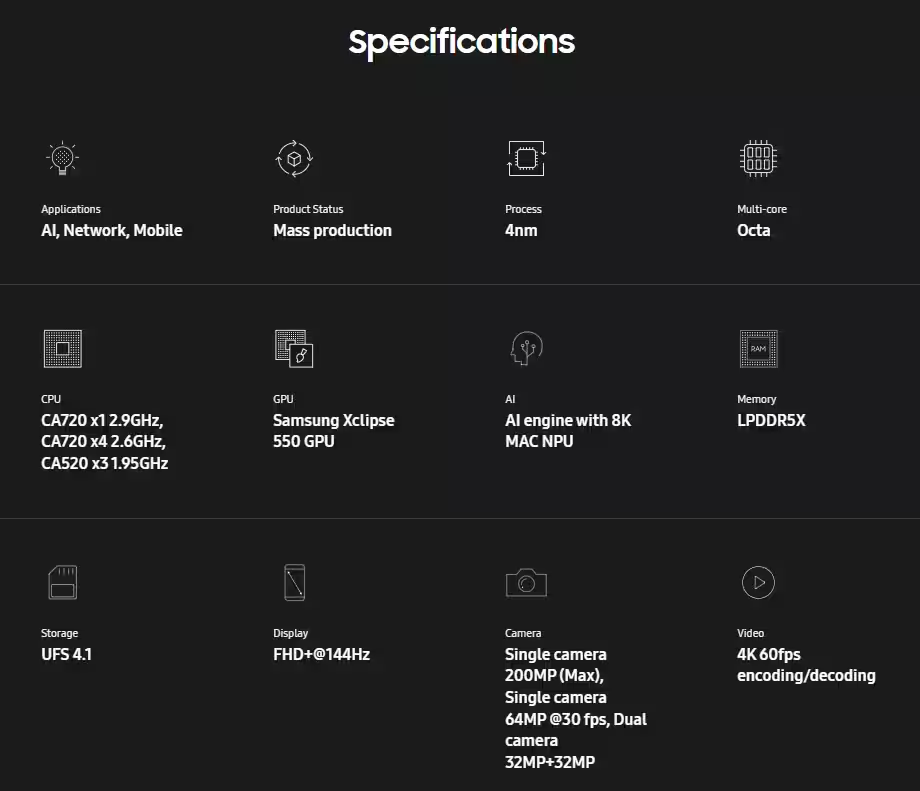
The new processor supports up to a 200MP camera sensor, 4K video recording at 60fps, and 10-bit HDR, signaling Samsung’s intent to enhance mobile photography on devices beyond its premium tier. Connectivity is future-proofed with 5G, Wi-Fi 6E, and Bluetooth 6.1, ensuring solid network performance and device pairing.
The Exynos 1680 represents a thoughtful evolution, filling mid-range gaps rather than chasing raw specs wars. With better efficiency, improved AI capabilities, and upgraded multimedia support, the Galaxy A57 should deliver a noticeably snappier and more polished daily experience. This chipset is an important step for Samsung to maintain its competitiveness as rival brands have aggressively improved their mid-range offerings in recent years.