

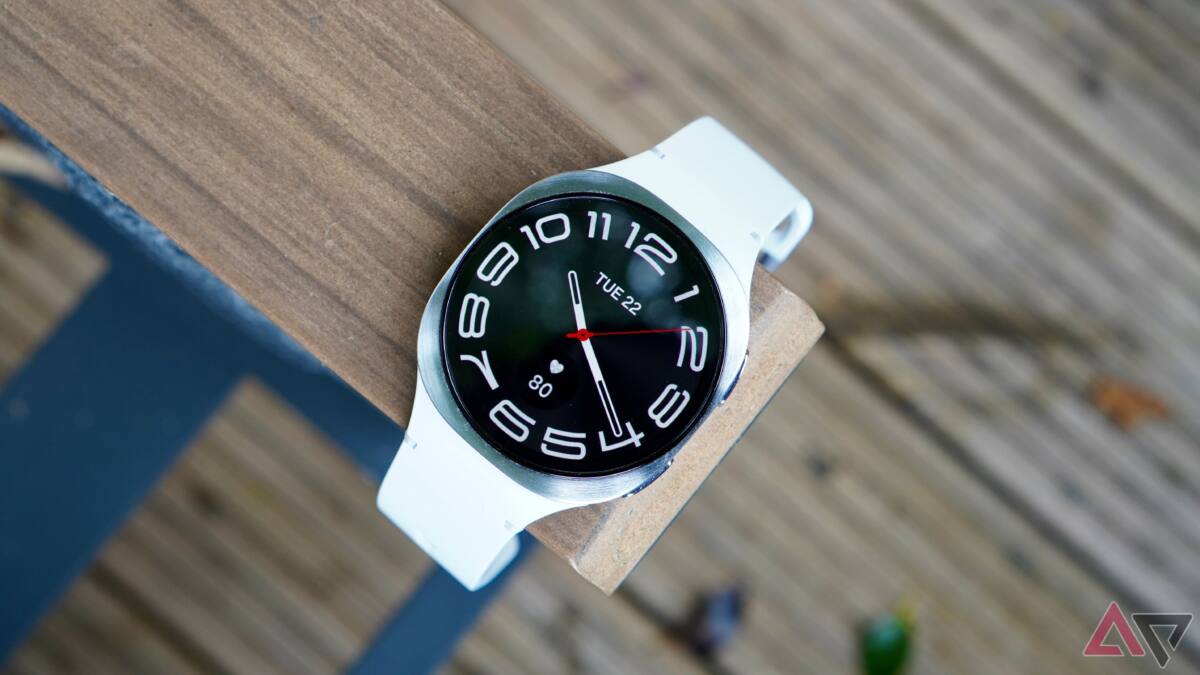
Samsung has finally switched on blood pressure monitoring for Galaxy Watch owners in the US, after a long wait through the FDA process. The feature is available as a wellness tool, not a medical one, and it starts rolling out today in phases.
It is limited to Galaxy Watch 4 and newer models running Watch OS 4.0 or higher, paired with a phone on Android OS 12 or higher. Samsung says the Samsung Health Monitor app is required for setup and calibration.
How Samsung blood pressure monitoring works
This is not a standalone feature. Samsung says users need an upper-arm blood pressure cuff for initial setup and periodic recalibration every 28 days, with the first calibration handled through the Samsung Health Monitor app. That makes the watch closer to a smart assistant for blood pressure trends than a replacement for proper medical gear – which is probably the sensible way to do it, even if it sounds less glamorous.
What Galaxy Watch owners can do now
Once the feature reaches a device, users can open the Blood Pressure widget on the watch, tap Measure, then follow the on-screen prompts while sitting still and not talking. After that, the watch can store readings and show them alongside Samsung Health data, which is the bit Samsung has been chasing for years.
Samsung also says a passive blood pressure monitoring feature is coming later this year to show trends over time. That matters because manual measurements are useful, but trend tracking is where wearables start feeling less like gadgets and more like actual health tools.
Samsung joins the wearables race for health features
Samsung is not alone in chasing regulated health features, but getting blood pressure support into the US market is still a meaningful win. Apple and Google have both leaned heavily on heart-rate, sleep, and safety features, while blood pressure remains one of the more stubborn metrics for consumer wearables to crack. Samsung’s move gives Galaxy Watches a stronger pitch for users who want more than step counts and notifications.
The obvious question is how accurate the passive tracking will be once it lands later this year. If Samsung can keep the setup simple and the readings reliable, this could become one of those features people buy a watch for instead of discovering after the fact. If not, it will join the graveyard of health promises that sounded better on a keynote slide.