

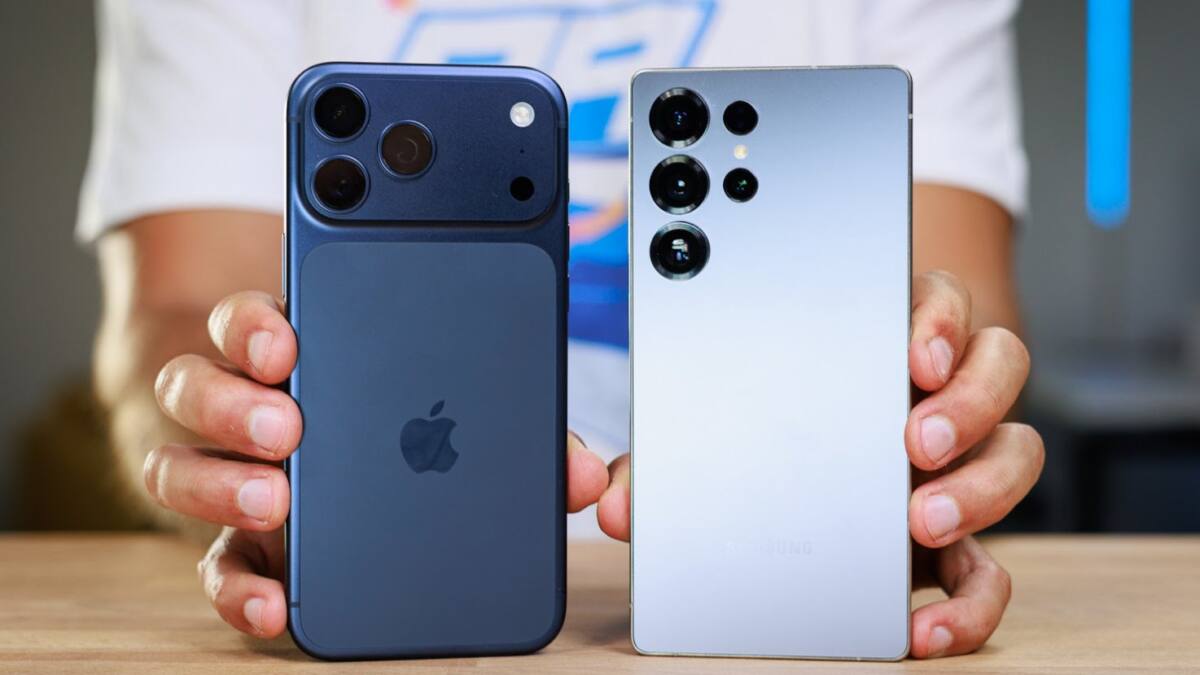
Samsung and Apple have dominated the global smartphone scene for years, but many longtime fans are now exploring options from Chinese brands. This shift is fueled by aggressive pricing, larger battery capacities, and increasingly impressive camera tech from companies like Oppo and Xiaomi-challenging the flagship giants in key features where they have historically lagged.
The Galaxy S26 series showcases Samsung’s latest efforts, with models boasting rapid processors, new AI features, and notable discounts. For example, the Galaxy S26 Ultra is currently available with up to $720 off after eligible trade-ins, alongside perks like discounts on Galaxy Buds 4 earbuds and add-on credits. Despite these incentives, Samsung and Apple still struggle to match Chinese brands on battery life-budget phones from China often exceed 10,000 mAh, while Samsung and Apple’s flagship batteries rarely surpass 5,000 mAh. Even upcoming foldables like the Galaxy Z Fold 8 reportedly stick close to this 5,000 mAh ceiling.
Recent surveys reflect this changing consumer mindset. When asked about the Oppo Find X9 Ultra, which has drawn attention for its dominant camera hardware, more than 55% of respondents expressed strong interest in buying it. Another 41% remain open, contingent on pricing. Only a tiny fraction, less than 5%, remain firmly loyal to Samsung or Apple or are hesitant due to unfamiliar interfaces. This data hints at a broader trend where Chinese smartphones are no longer just budget alternatives but genuine contenders in markets traditionally ruled by Apple and Samsung.
Samsung flagships and the latest iPhones continue to be ubiquitous globally, especially in wealthier regions, but Chinese brands have made significant inroads in emerging markets. There, Samsung’s mid-range models compete closely with affordable Chinese alternatives, and the gap is narrowing fast. The influx of Chinese smartphones is fueled by persistent marketing and aggressive expansion plans, shaking up buyer loyalty in traditional strongholds.
Still, it’s not an instant win for Chinese manufacturers. Enthusiasts and tech aficionados know that while these phones are often packed with specs, they sometimes falter on finer details like software stability. Recent reports highlight issues with Xiaomi’s HyperOS 3 failing to sync audio reliably with Bluetooth earphones-a basic functionality problem that users should not face. Such glitches remind why Samsung’s One UI and Apple’s iOS maintain a formidable reputation, rooted in polish and a seamless user experience.
The real question is whether these Chinese brands can iron out the technical kinks while continuing to innovate and offer features that resonate beyond specs alone. If they do, the loyalty that Samsung and Apple have relied on for so long might see some serious cracks.