

Samsung has expanded its AI-enhanced Internet browser to Windows PCs, bringing the same agentic AI features from its Galaxy devices to desktop users. After months in beta, Samsung Internet is now publicly available for Windows 10 and 11, promising smoother cross-device browsing and an AI experience powered by Perplexity that understands context and user activity across tabs.
Samsung Internet is already a staple on Galaxy smartphones, but its arrival on Windows seeks to mirror Apple’s Safari and Google’s Chrome by enabling users to pick up browsing sessions from phone to PC and vice versa. This cross-device browsing feature currently requires users to have a Samsung account and own a Galaxy Book laptop, relying on the Continuity Service app to maintain seamless device integration. Samsung plans to broaden support to more devices in the future.
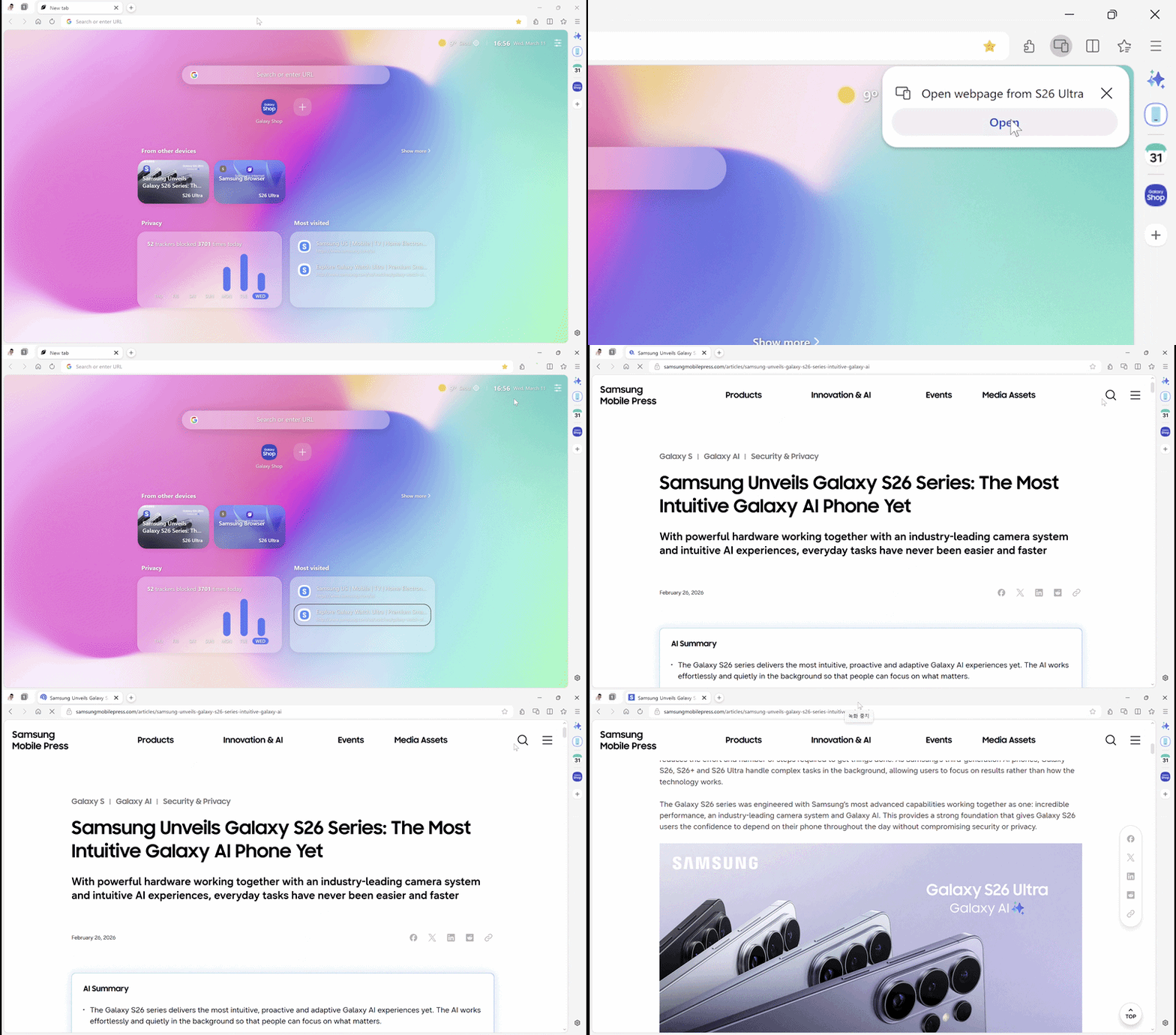
AI-powered contextual browsing with Perplexity integration
One of the standout features Samsung touts is the browser’s context-aware AI, enabled by Perplexity’s natural language processing capabilities. The browser doesn’t just scan a webpage-it interprets the content and user behavior across all open tabs to offer relevant actions and answers. For example, if researching a trip to Seoul, users can summon the sidebar AI to compile a tailored travel itinerary drawn from the tab’s information.
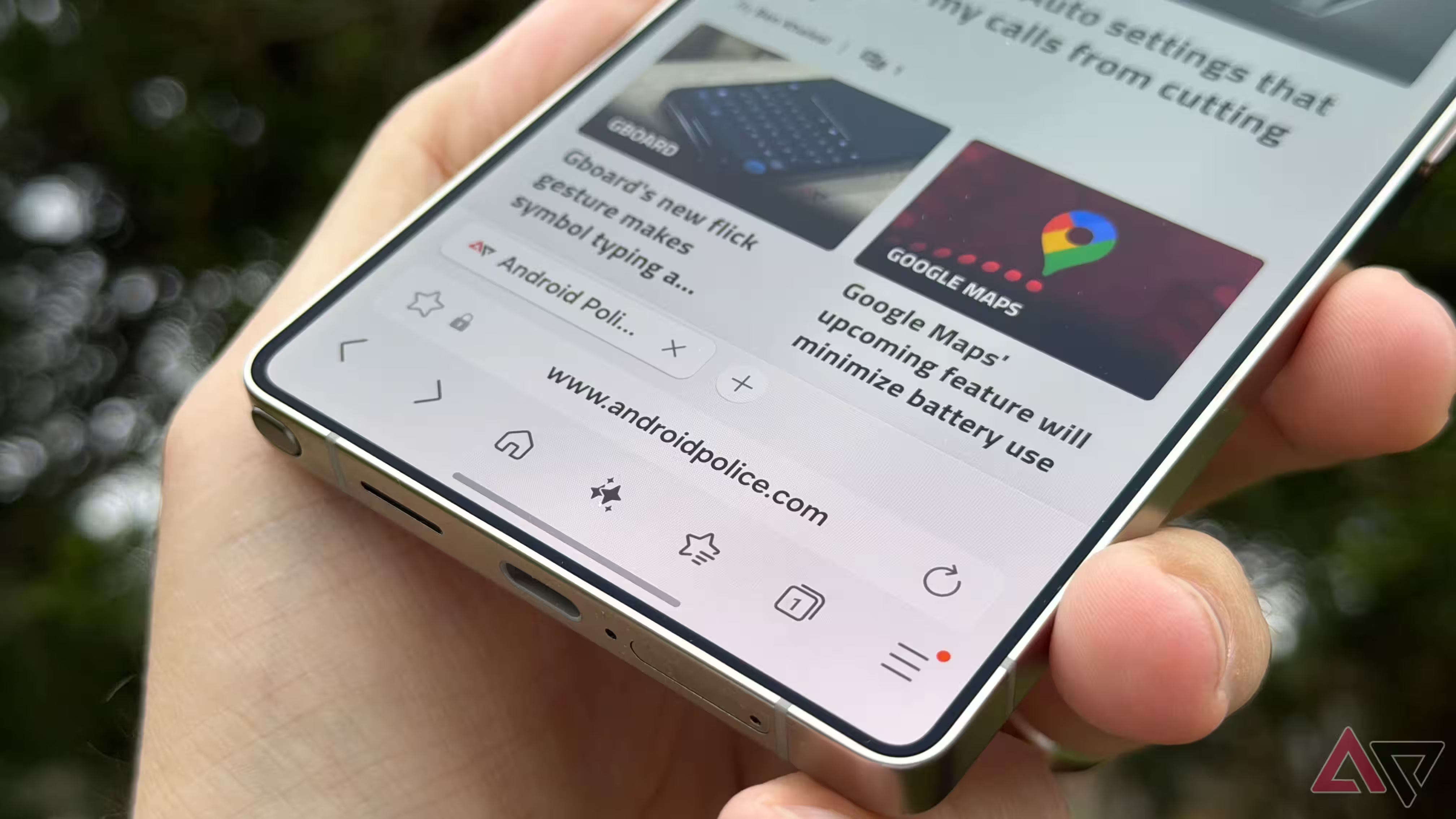
Cross-device browsing continuity with Samsung ecosystem integration
This kind of smart multitasking resembles Google Chrome’s recent Gemini integration but is tailored to Samsung’s environment and AI engine. The browser is also designed to simplify searching through browsing history-users can ask in plain language about a past product or page, and it will pinpoint the exact links visited. Besides AI features, Samsung Internet offers practical enhancements like Samsung Pass integration for quick autofill of passwords and payment details.
Availability and compatibility of Samsung Internet for Windows
The Windows version supports Windows 11 and Windows 10 (build 1809 or newer), making it accessible to a broad user base. While AI in browsers is not new, Samsung’s approach combines ecosystem integration and AI contextual awareness in a unique way. Its success will depend on how well the cross-device features scale beyond Galaxy Books and how competitive it can be against Chrome and Edge, which dominate the Windows browser market.