

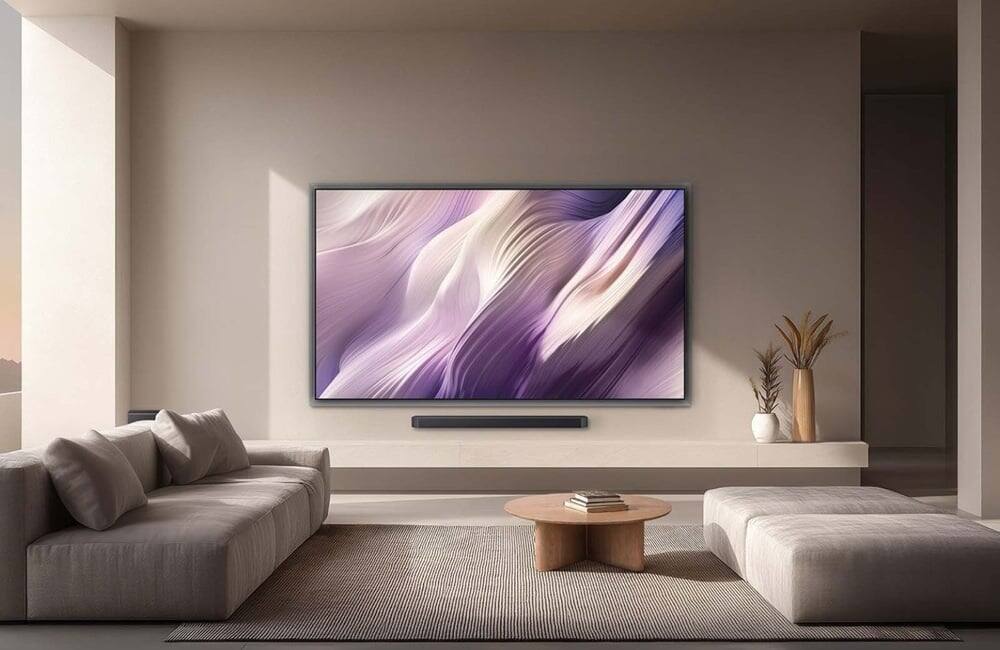
Samsung’s 2026 TV refresh is doing two very Samsung things at once: chasing gamers with faster OLED panels and trying to turn wall-mounted TVs into gallery pieces that happen to stream Netflix. The new lineup spans the S95H, S90H, and S85H OLED models, plus The Frame Pro and a revised standard The Frame, with the company leaning hard on software, art features, and AI as much as raw panel upgrades.
Samsung’s OLED TVs get brighter, faster, and more gamer-friendly
The Samsung 2026 TVs OLED family tops out at 83 inches and is led by the S95H, which adds a FloatLayer design with a metal bezel and a flush wall-mount look. That part is pure showroom drama, but the bigger sell is what’s under the panel: the S95H and S90H use Glare Free technology, while the S95H gets OLED HDR Pro and the S90H gets OLED HDR+. Samsung is also putting the NQ4 AI Gen3 Processor across all three series, along with 4K AI Upscaling Pro, Auto HDR Remastering, Color Booster Pro, AI Motion Enhancer Pro, and an AI Customization Mode that adjusts picture settings based on content.
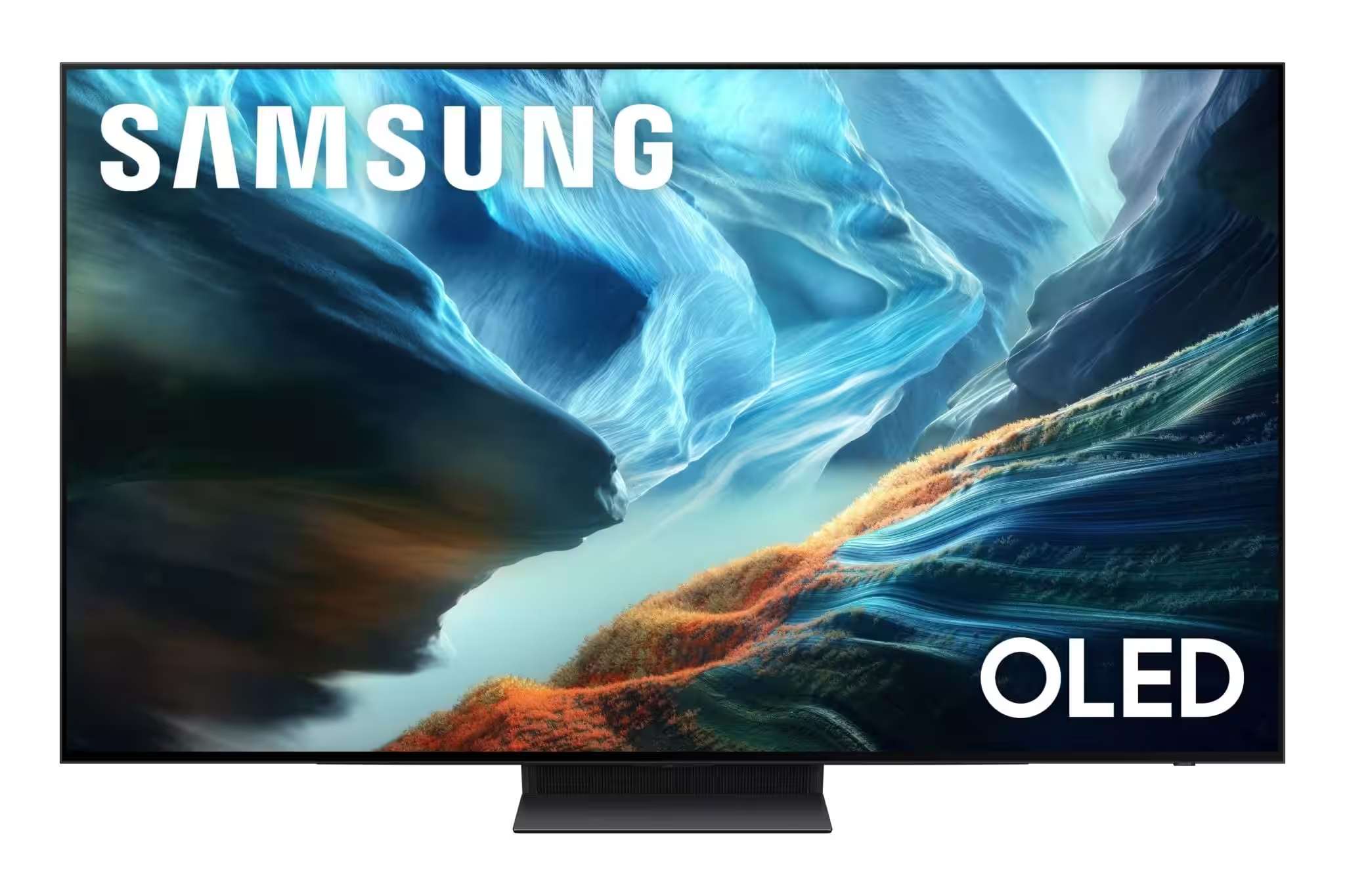
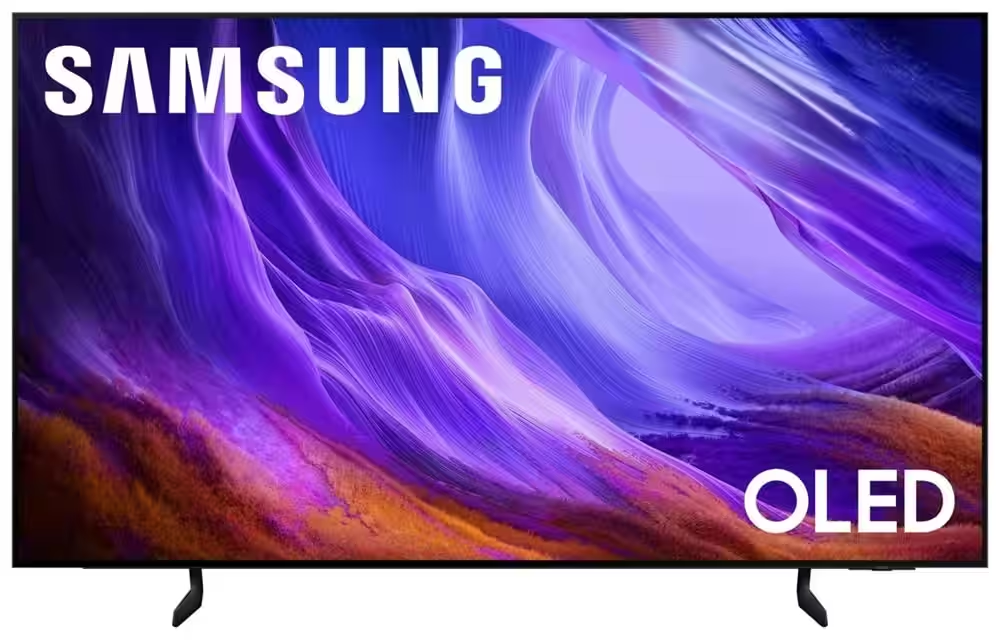
For buyers who care more about frame rates than film posters, Samsung is clearly trying to own the living-room PC crowd. Motion Xcelerator goes up to 165Hz, with NVIDIA G-SYNC Compatible and AMD FreeSync Premium Pro support, while audio features include Dolby Atmos, Object Tracking Sound+, Adaptive Sound Pro, Active Voice Amplifier Pro, and Q-Symphony. That is a lot of acronyms, but the message is simple: Samsung wants these sets to look good in a dark room and behave like premium gaming monitors when a console or PC shows up.
- S95H, S90H, and S85H OLED series
- Sizes up to 83 inches
- Motion Xcelerator up to 165Hz
- NVIDIA G-SYNC Compatible and AMD FreeSync Premium Pro
The Frame Pro adds wireless devices and a Neo QLED panel
The Frame is still Samsung’s answer to people who want a TV that looks less like a TV, and the Pro version pushes that idea harder. It uses a Neo QLED 4K panel for better brightness, contrast, and black levels, plus a Wireless One Connect Box that can keep connected devices up to 30 feet away. That kind of flexibility matters more than Samsung’s marketing usually admits, because cable clutter is the enemy of the whole art-on-the-wall pitch.

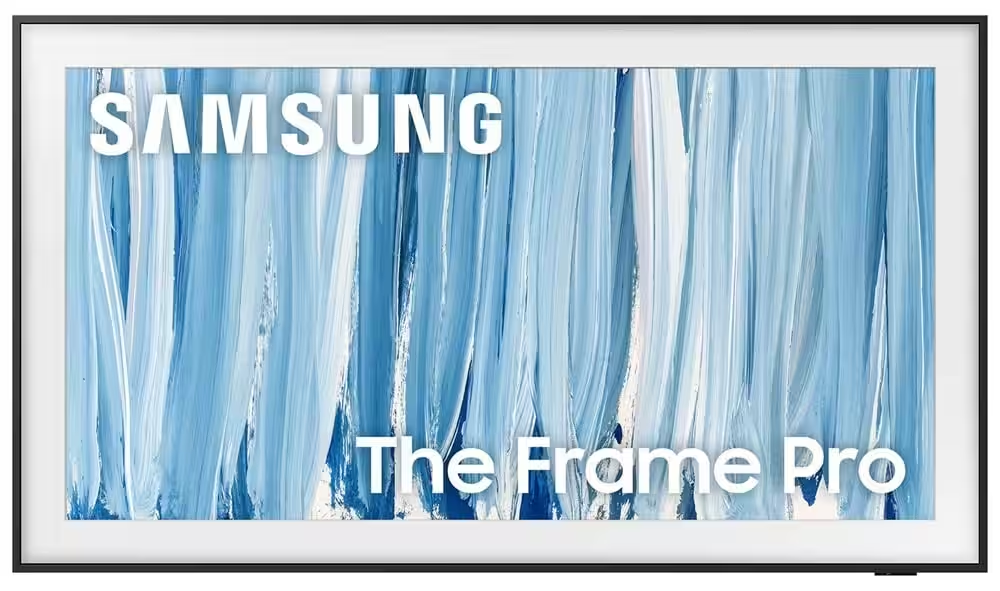
The standard The Frame keeps built-in ports, but Samsung has added a Slim Fit Wall Mount and back stoppers to make access easier. Both versions support Glare Free technology, Motion Xcelerator up to 144Hz, and DLG up to 240Hz when paired with a compatible PC. The art side is still a major draw too, with the same Art Store library, Pantone Validated ArtfulColor, and bezel options including Modern Brown, Modern Teak, Modern White, and Sand Gold Metal, plus third-party frames.
One UI Tizen OS gets seven years of updates
Samsung is also trying to stretch the life of these TVs well beyond the usual upgrade cycle. All models run One UI Tizen OS, and Samsung says they will receive up to seven years of updates. That is a smart move in a market where hardware is getting better faster than software usually ages, especially with Samsung TV Plus offering more than 2,700 streaming options and Samsung Gaming Hub handling cloud gaming.
- S95H: starts at $2,499.99 and goes up to $6,499.99
- S90H: ranges from $1,399.99 to $5,299.99
- S85H: starts at $1,199.99
- The Frame Pro: priced between $1,999.99 and $3,999.99
- The standard The Frame: pricing has not been announced
The OLED models are already available, The Frame Pro is on sale now, and the standard The Frame arrives later.
The interesting question is which side of Samsung’s pitch wins out: the performance-first OLED buyer, or the design-conscious shopper who wants a TV that disappears into the room. If Samsung keeps stacking gaming features, art subscriptions, and long software support into the same products, competitors will need more than brighter panels to keep up.