

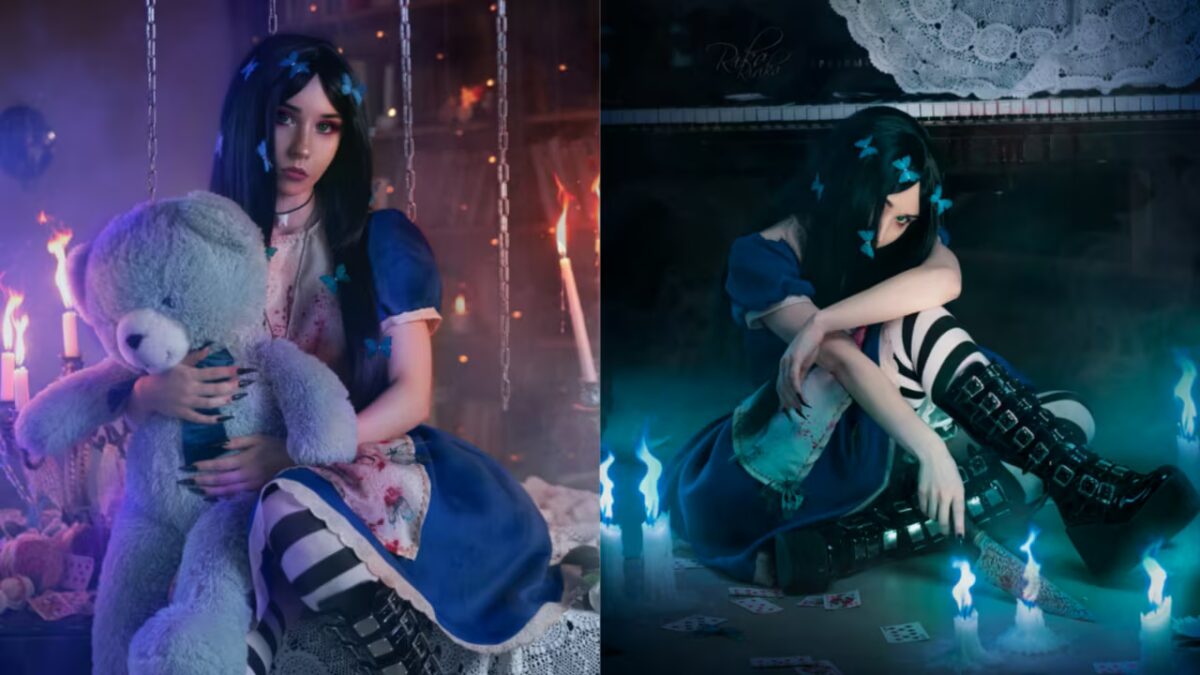
American McGee’s Alice, released in 2000, instantly earned cult status-not for its gameplay, but for daring to twist a beloved children’s tale into something dark and unsettling. Lewis Carroll’s Wonderland was a place of absurd whimsy; McGee’s version transforms it into a nightmarish asylum of fractured psyche.
The twisted story behind American McGee’s Alice
In the game’s grim narrative, Alice is the sole survivor of a house fire that killed her entire family. Traumatized, she’s confined to a psychiatric hospital where she slips deeper into madness. Wonderland exists only in her mind-it deteriorates as her sanity crumbles. The Red Queen no longer hosts tea parties; she rules through terror and violence. The Cheshire Cat becomes a gaunt, spectral advisor. The Mad Hatter is a sadist. To save herself, Alice must navigate this psychological nightmare without breaking.
This dark retelling predated the recent trend for grim reinterpretations of childhood classics by over a decade. Its 2011 sequel, Alice: Madness Returns, expanded on the concept with even more intense psychological horror.
Rika Ririka’s haunting American McGee’s Alice cosplay
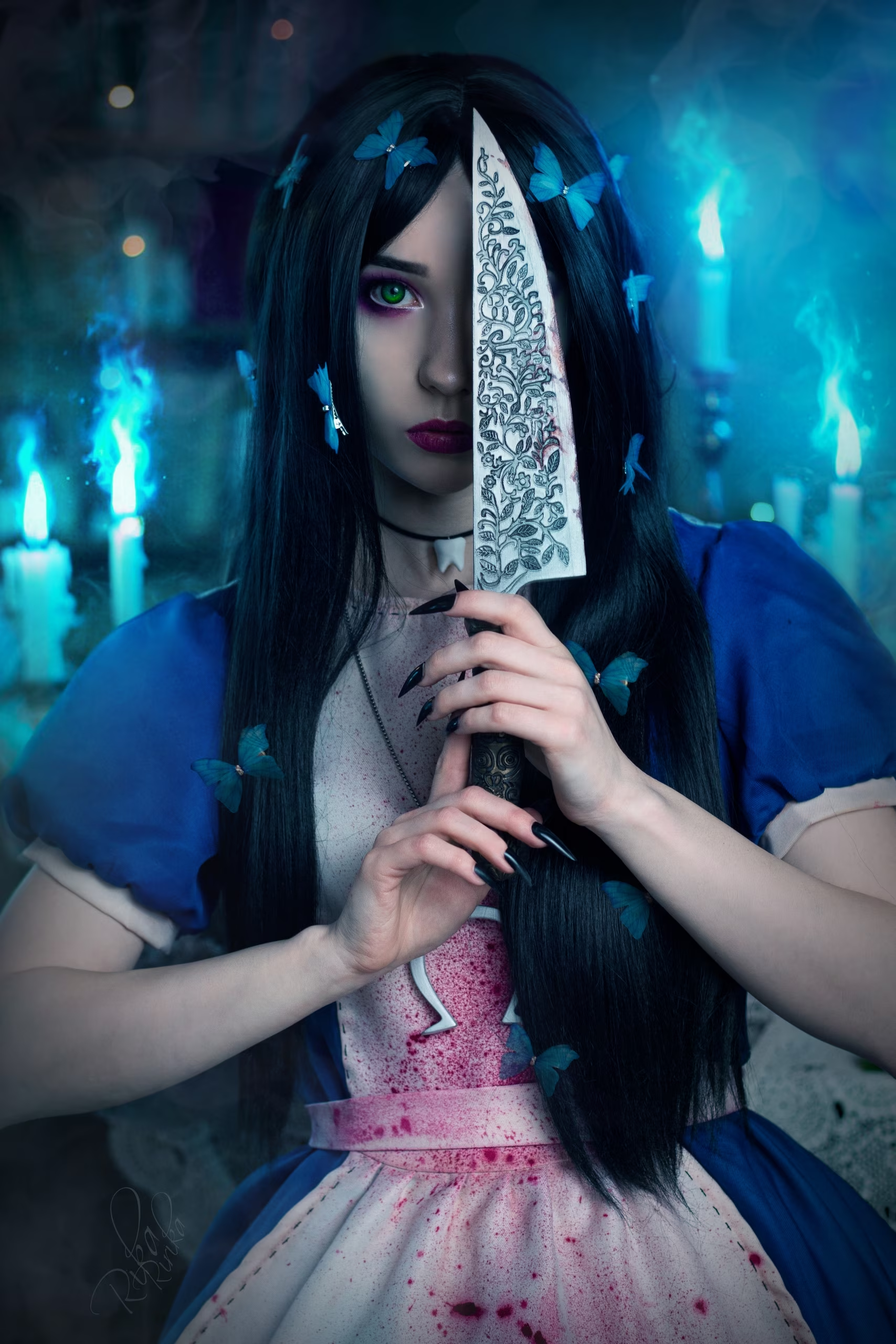
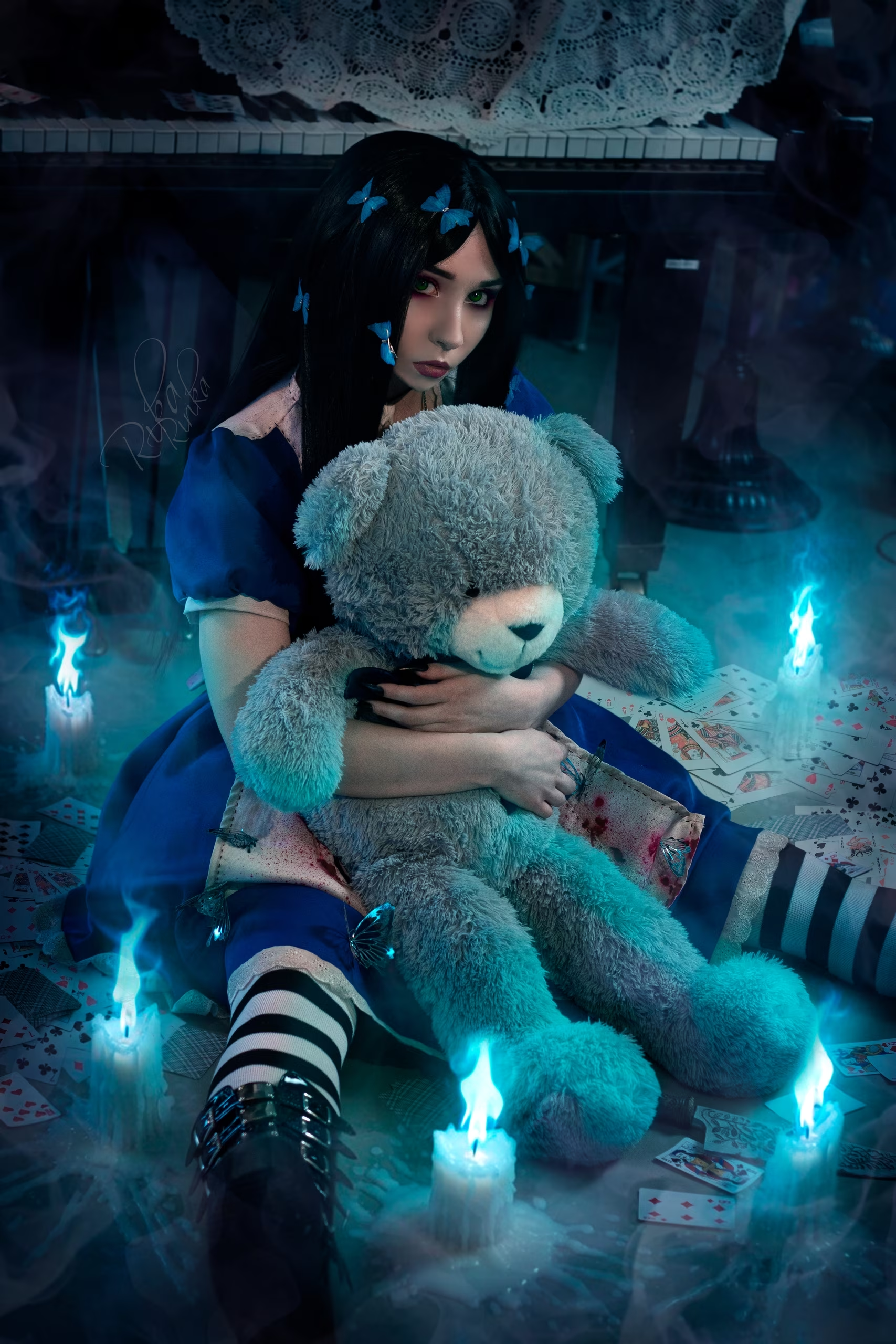
Russian model Rika Ririka steps into the role of McGee’s Alice-not the Disney version: a tattered blue dress, striped thigh-highs, black hair adorned with delicate butterflies, piercing green eyes shadowed with a heavy gaze, and bloodstains etched across her skin. The oversized plush teddy bear she cradles serves as a stark contrast-childhood innocence caught in the blazing blue firelight, playing cards, and candles that frame this surreal scene.
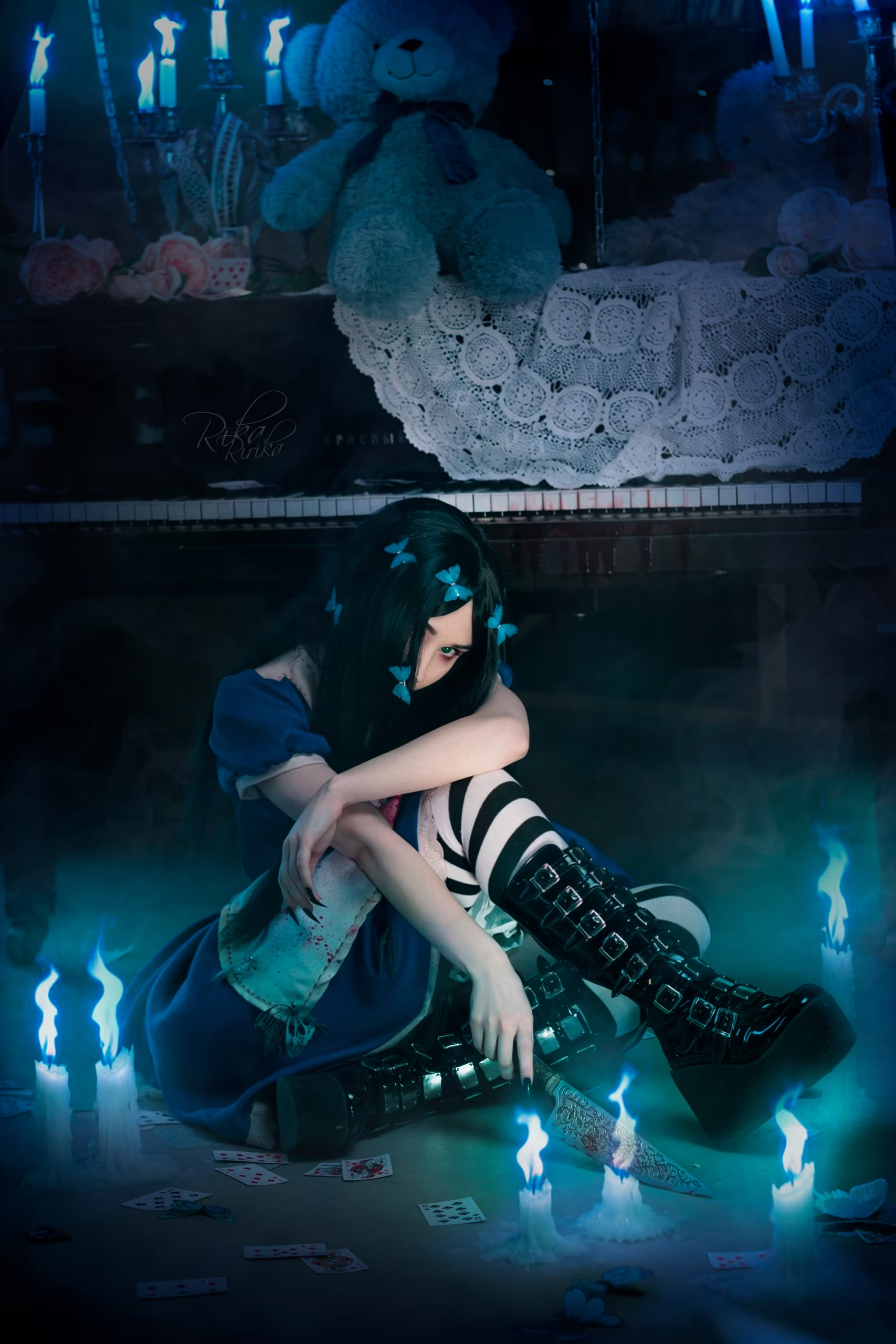
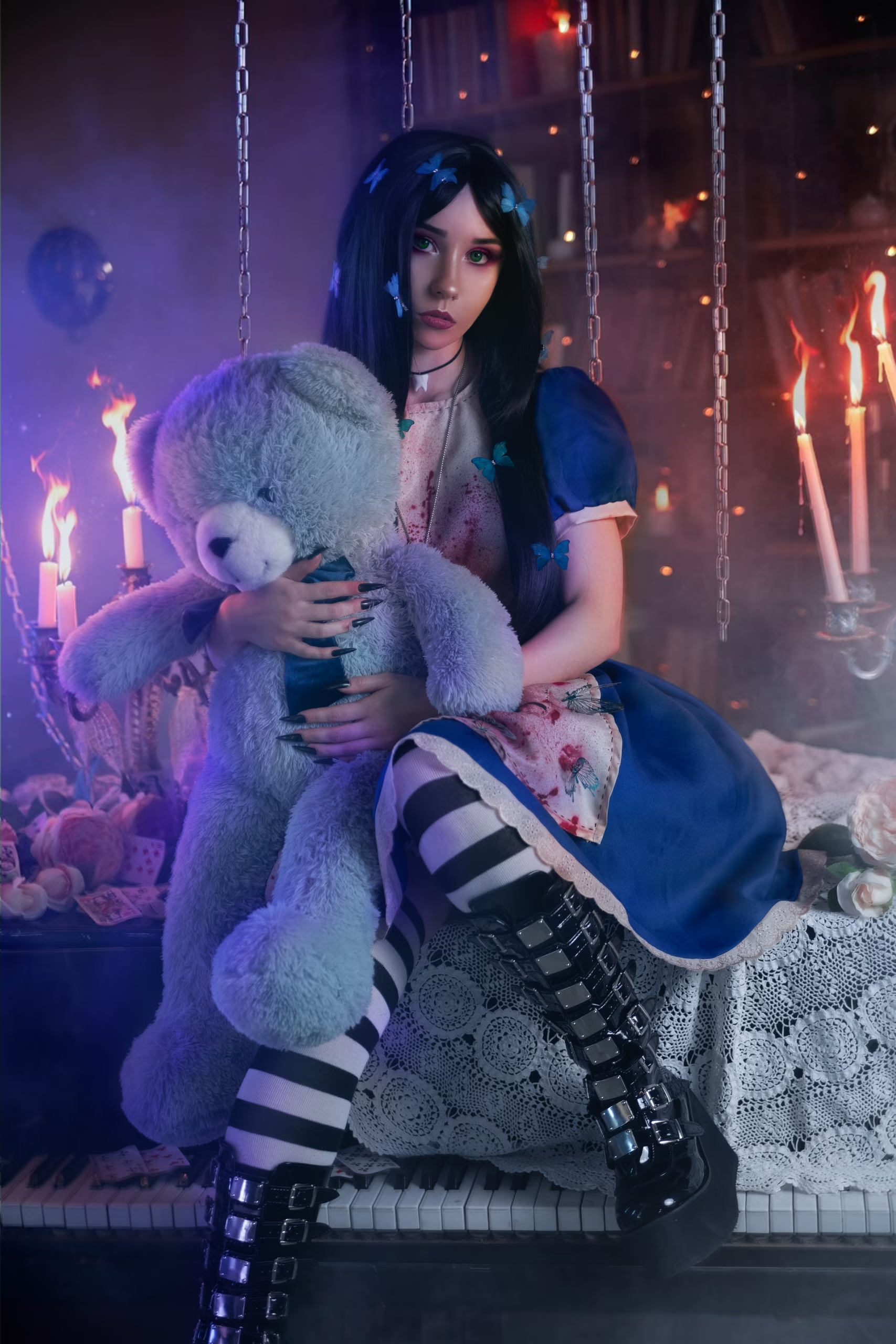
The photo editing bathes the images in cool turquoise and blue hues, capturing the sterile chill of the original game’s visual style-a world devoid of warmth, reflecting fractured minds and broken realities.
Why American McGee’s Alice still captivates cosplayers
More than twenty years on, American McGee’s Alice remains one of the most recognizable figures in gaming cosplay. The appeal is straightforward: her look is visually rich, emotionally complex, and widely identifiable even to those unfamiliar with the games. The formula-blue dress, madness, and a touch of weaponry-speaks volumes without needing explanation. Unlike many cosplay subjects demanding elaborate armor or high-tech props, Alice’s power lies in atmosphere and subtle details, making her accessible yet deeply evocative.
While mainstream cosplay often chases flashy spectacle, American McGee’s Alice offers a blend of fragility and darkness that resonates with fans craving depth beyond surface-level fanfare. This balance keeps the character relevant and inspires new generations to reinterpret the unsettling Wonderland.
As the boundaries of cosplay continue to expand-embracing psychological storytelling alongside elaborate craft-it will be interesting to see how characters like American McGee’s Alice evolve in the community. Will future cosplayers emphasize the horror, the humanity, or both? That tension promises to keep both the character and her fans hooked for years to come.