

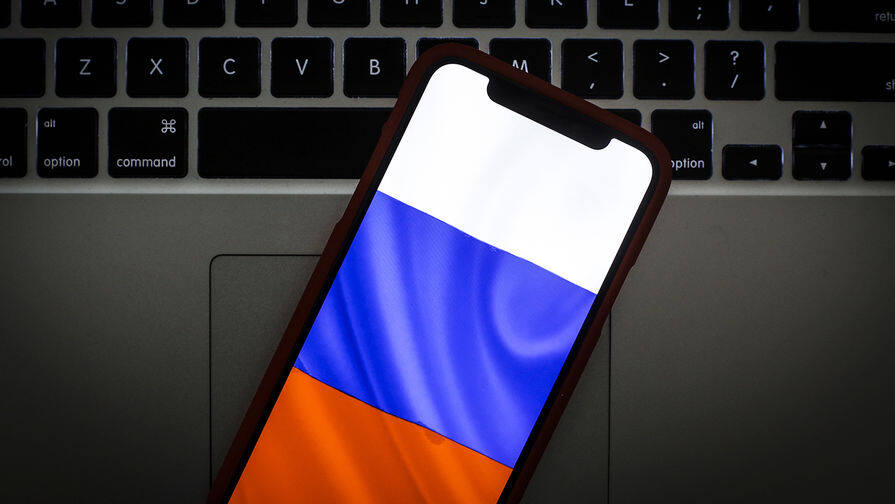
Russia plans to establish a largely autonomous digital infrastructure by 2028, capable of operating independently from the global internet amid ongoing sanctions, according to the Russian Association of Electronic Communications (RAEC). This effort focuses on developing a sovereign Runet, modernizing network exchange points (TSPU), and enforcing new ”sovereign internet” laws. The initiative is expected to involve investments exceeding one trillion rubles, prioritizing domestic data centers, cloud technologies, and traffic management systems.
The push toward import substitution is central to this strategy, with projections indicating that the registry of Russian-made software might grow to 30,000 titles by 2028. Moreover, Russian processors such as Elbrus and Baikal are expected to fulfill up to half the needs of critical infrastructure. Yet, dependency on imports from China and India will persist, propelling Russia to deepen scientific and technological cooperation with BRICS partners, especially in artificial intelligence and cybersecurity.
This vision places Russia on a trajectory toward a ”splinternet” state model akin to China’s tightly regulated internet system. Digital flows will be controlled by AI systems designed for predictive monitoring and cyber defense, balancing state oversight, security, and digital rights-though ethical tensions around privacy and algorithmic governance are anticipated to rise sharply. The RAEC suggests these dilemmas could fuel calls for a fresh global dialogue on digital governance frameworks, potentially through a revamped United Nations platform.
However, Russia faces significant hurdles in sustaining its IT talent pool, with estimated attrition rates around 15%. To address this, comprehensive programs aimed at retrieving expatriate specialists and attracting international recruits are underway. By 2030, the country hopes to reach near-complete technological sovereignty in critical sectors, reshaping its digital ecosystem to closely resemble a state-managed internet dominated by internal resources.
These plans come amid intensified regulatory crackdowns in the European Union and the United States targeting large technology companies, underscoring a global trend toward digital nationalism. While Western measures emphasize market competition and privacy protections, Russia’s approach leans heavily on centralized control and technological independence.
The Russian government’s commitment to AI education materialized with the recent approval of the country’s first school textbooks on artificial intelligence, signaling early moves to grow domestic expertise that supports its sovereign digital ambitions.