

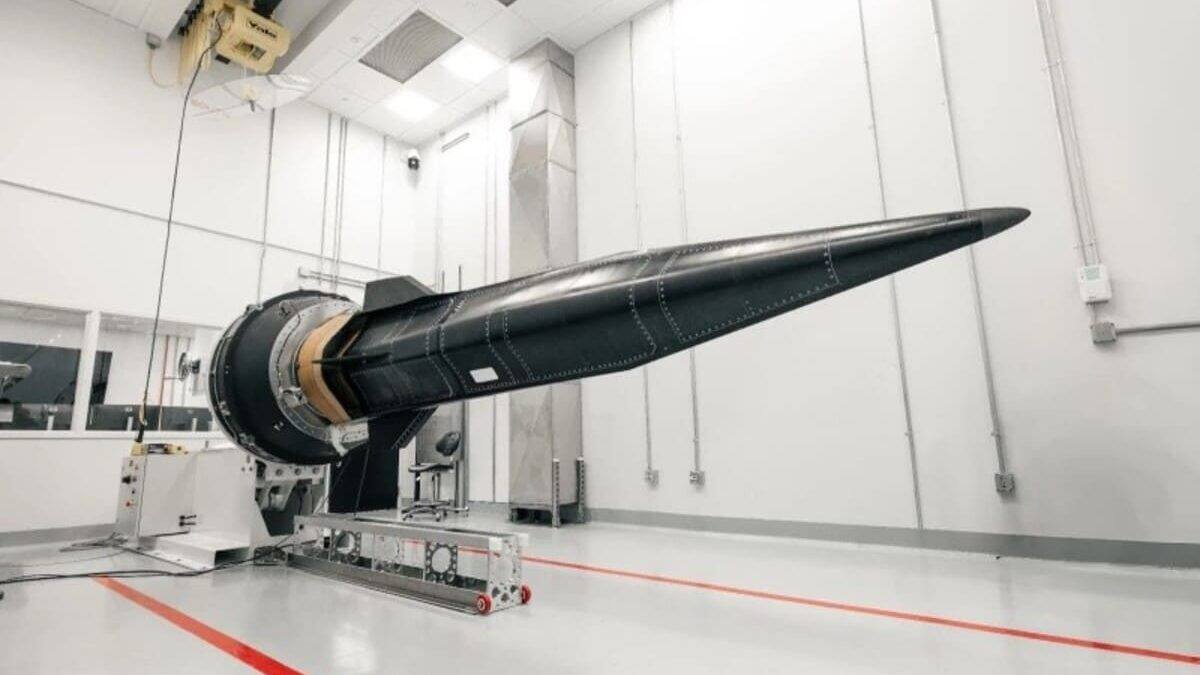
Russia has taken a significant step in advancing its hypersonic technology by conducting the first flight test of the new DART AE hypersonic vehicle. While details remain scarce, this development signals continued progress in high-speed aerospace capabilities amid a global race for hypersonic dominance.
Unlike conventional missiles, hypersonic vehicles like the DART AE travel at speeds exceeding Mach 5, making them exceptionally difficult to detect and intercept. This technology has strategic implications, as it could potentially alter military balances by enabling rapid strike capabilities that evade existing defense systems.
Russia’s pursuit of hypersonic technology follows a trend observed in several countries, including the United States and China, all vying to develop operational hypersonic weapons. Each iteration pushes the envelope further in speed, maneuverability, and deployment potential.
However, hypersonic vehicles also face significant technical challenges, such as thermal management, guidance accuracy at extreme speeds, and propulsion efficiency. Success in this domain often depends on breakthroughs in materials science and aerospace engineering.
The testing of DART AE adds to the broader narrative of intensified strategic competition where cutting-edge aerospace technology serves both military and geopolitical objectives. While Russia showcases its capabilities, other players are accelerating development, indicating a period of rapid innovation paired with growing uncertainty in global defense dynamics.