


Capcom is trying to have it both ways. With Resident Evil Requiem now in players’ hands, the studio has built a game that deliberately toggles between old-school vulnerability and blockbuster action – and whether that feels like balance or identity drift will decide how the franchise is remembered this decade.
Thirty years on from the original title that popularised the phrase survival horror, Requiem is at once a nod to the mansion-bound fear of the 1990s and a bid to keep modern audiences entertained with action set pieces. Capcom calls that a balancing act; the studio’s director described mixing ”familiarity and freshness” as a ”huge challenge” in an interview with the BBC.
Why the split matters
Franchises survive by evolving, but evolution is a political act inside any fandom. When Resident Evil drifted toward cinematic action in entries such as Resident Evil 6, a portion of the fanbase complained the series had lost its teeth. When Capcom pivoted back toward atmosphere with later titles, critics and players rewarded that shift.
Requiem’s practical answer is structural: two playable leads. One is a familiar face – an older Leon S. Kennedy – who brings the trained, gun-ready gameplay that slots into action-heavy moments. The other, Grace Ashcroft, is new and meant to be more vulnerable, designed to deliver traditional tension and resource-driven horror. That split allows the game to serve different emotional beats without having to invent an entirely new tone.
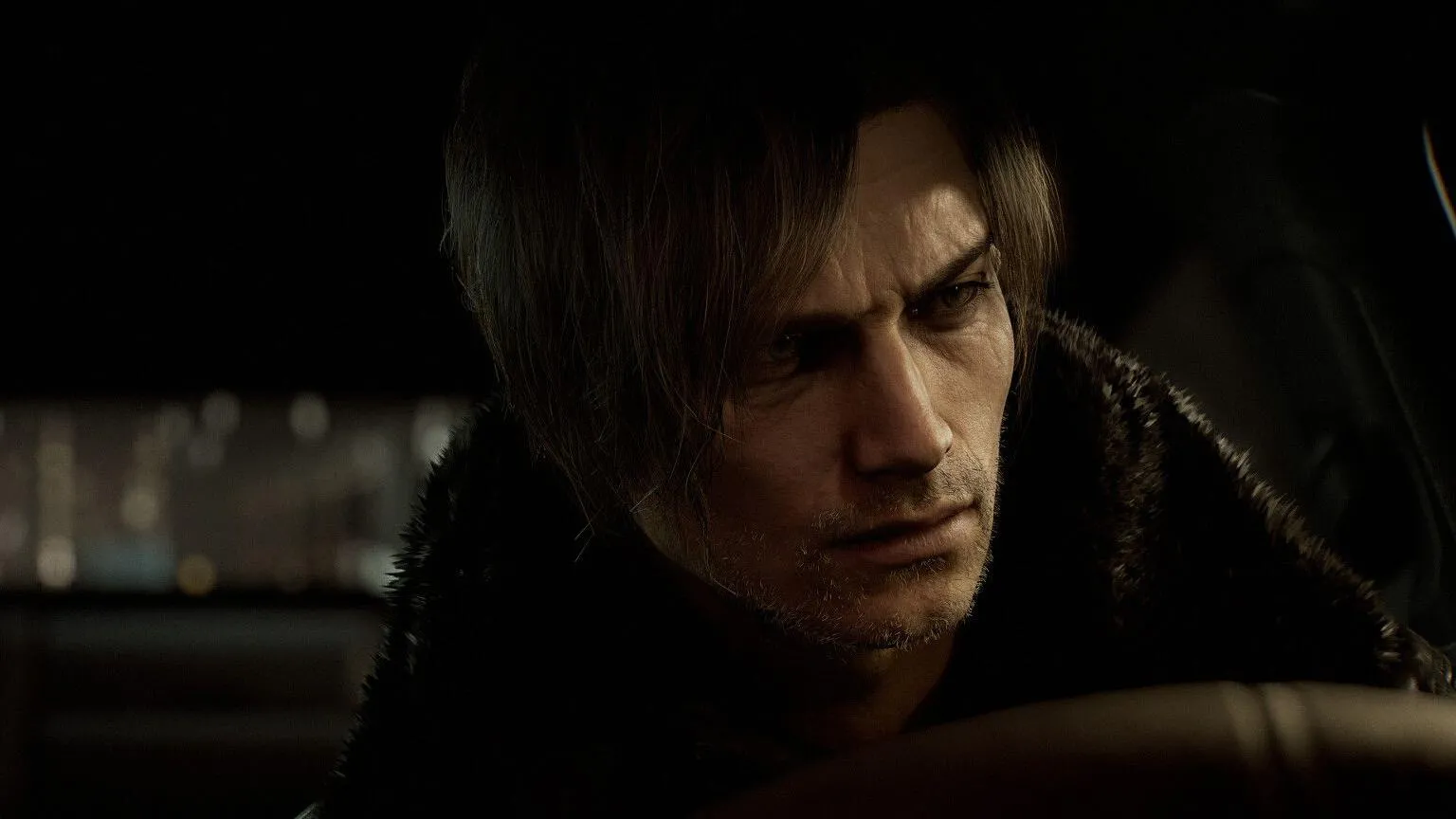
Capcom’s producer emphasised that fear remains the franchise’s ”signature mood” and framed it as a human emotion you can channel through entertainment. That kind of reassurance will matter to longtime fans; it also reads as a defensive line against accusations that Requiem is another step toward mass-market spectacle.
How other games solved the same problem
Hybrid design is hardly unique. Silent Hill’s legacy struggles stem partly from attempts to reinterpret its tone for new audiences. Indie hits such as Amnesia and Outlast kept horror tight by restricting player power and sensory information; big-budget franchises like Resident Evil have to reconcile those constraints with the expectation of flashy moments and accessibility for casual players.
What separates successful hybrids from failures is how mechanical constraints support mood. When a game lets you feel powerless at key moments – through limited ammo, scarce save points, or environmental puzzles that stall combat – action sequences hit harder because they puncture a baseline of fragility rather than replace it.

What Requiem needs to get right
Two things will determine whether Requiem’s split personality pays off. First: pacing. If the game alternates from nail-biting dread to set-piece combat without a clear connective tissue, the tonal shifts will feel jarring. Second: enforced vulnerability. Grace’s sections will only terrify if the game truly constrains her options – otherwise they become a toned-down version of Leon’s segments and the distinction collapses.
Early reactions suggest critics largely appreciate the experiment, and long-term fan response will hinge on whether Requiem preserves scarcity and consequence as core systems rather than merely dressing high-octane encounters in horror trappings.
Who wins, who loses
If Requiem succeeds, Capcom wins twice: it keeps legacy players invested while offering a broader, more marketable product. That outcome also sets a template other AAA studios will copy – expect more franchises to attempt genre-blending through parallel protagonists or segmented gameplay loops.
If it fails, the losers are purist horror fans and design teams who think hybridity is an easy fix for flagging franchises. Failure won’t just be a commercial miss; it will weaken Capcom’s claim to stewardship of a genre it helped define.
Verdict and outlook
On paper, Requiem is smart: give players two lenses on the same world and you can vary tension without inventing a new series’ DNA. In practice, success depends on conviction. If Capcom clamps down on player power in the right places and lets silence and scarcity do the heavy lifting, the game will feel like a thoughtful evolution. If those elements are compromised for spectacle, Requiem will be remembered as a compromise.
Either way, the experiment is instructive: modern franchises no longer have the luxury of repeating a single formula. They must either refine their identity or patiently rebuild it. Resident Evil just put a very public bet on the latter – now we wait to see if the house wins.