

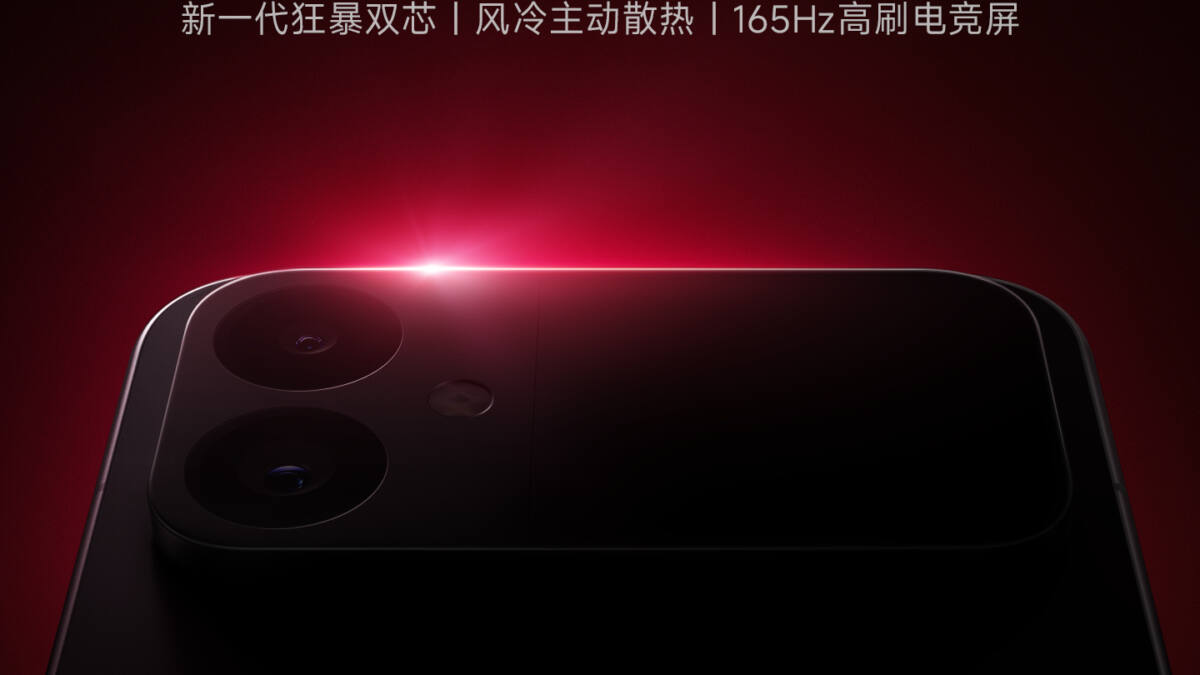
Redmi’s next K-series phone is shaping up to be less about flashy benchmark peaks and more about staying fast when the fun gets long. The company has confirmed that the Redmi K90 Max will arrive in China this month, replacing earlier rumors about a K90 Ultra and bringing a built-in cooling fan, a 165Hz display, and a performance-first pitch that puts it above the regular K90 lineup.
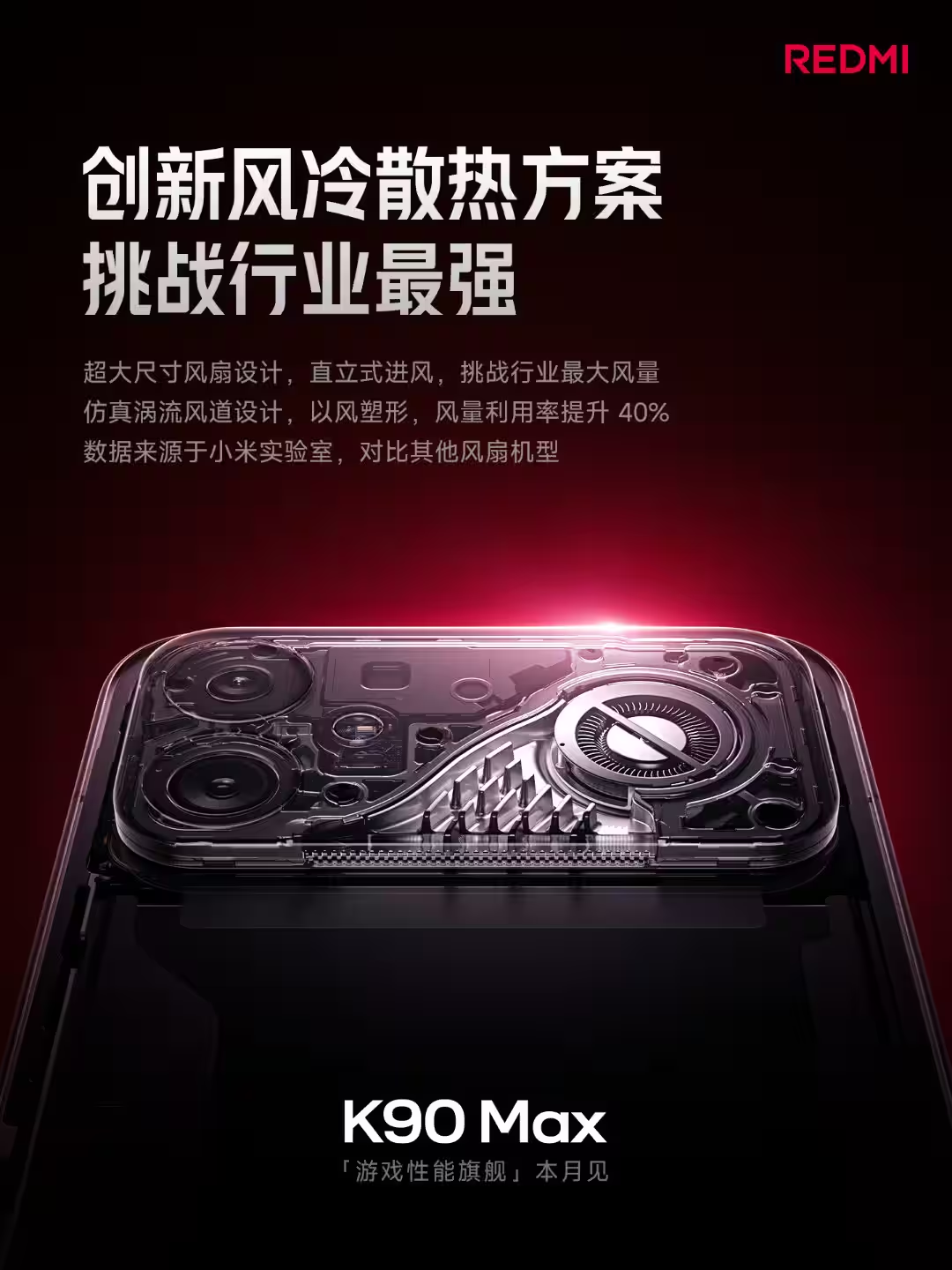
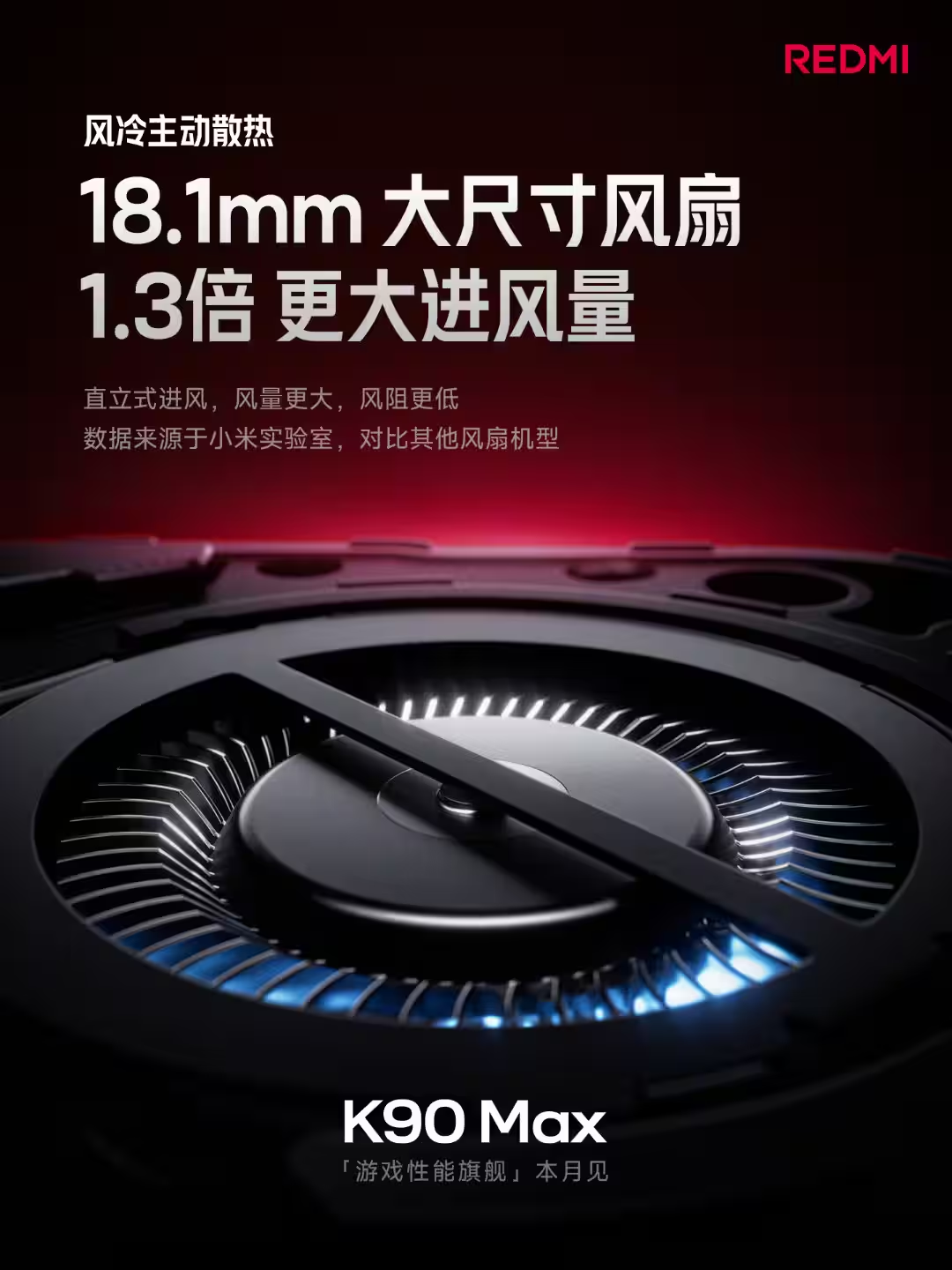
That fan is the headline grabber. Redmi says the K90 Max uses a redesigned active air-cooling system with an 18.1mm fan, up to 1.3 times higher airflow than conventional designs, and a vertical intake structure meant to reduce resistance. The company also claims an internal airflow channel design can improve cooling efficiency by up to 40 percent. Translation: this is a phone built for sustained gaming, not just a few show-off frames before the thermals kick in.
Redmi K90 Max cooling and display upgrades
Redmi is also talking up the parts of the experience that usually get hand-waved in spec sheets: touch response, network stability, and audio output. That lines up with the broader gaming-phone playbook used by rivals like ASUS ROG and RedMagic, except Redmi is trying to do it inside a mainstream K-series device instead of a niche slab covered in gamer theater. The 165Hz display should help the phone look and feel quick, even if most apps spend their lives nowhere near that refresh rate.
Dimensity 9500 and 8GB+256GB base model
According to tipster Experience More, the K90 Max will use the Dimensity 9500 and start with 8GB+256GB. That would place it between the Redmi K90 and K90 Pro Max, while a separate Redmi K90 Ultra is also said to be in development and positioned between the K90 and K90 Max. If that spacing holds, Redmi is clearly trying to build a ladder where each rung has a sharper performance identity instead of a generic ”more premium” label.
- Chipset: Dimensity 9500
- Base configuration: 8GB+256GB
- Display: 165Hz refresh rate
- Cooling: 18.1mm active fan with vertical air intake
Redmi K90 Max lineup positioning
The interesting part is not that Redmi is launching another fast phone. It is that the brand is making cooling part of the selling point, which suggests the mobile performance race is moving from raw chip bragging to how long a device can hold its speed without turning into a hand warmer. If Redmi gets the balance right, the K90 Max could be the sort of phone that makes laptop-style thermal marketing feel normal on a handset.
The open question is whether buyers will reward the fan-and-frequencies approach over thinner, quieter rivals. Redmi seems convinced there is still room for a phone that does not just hit hard at the start, but keeps swinging.