

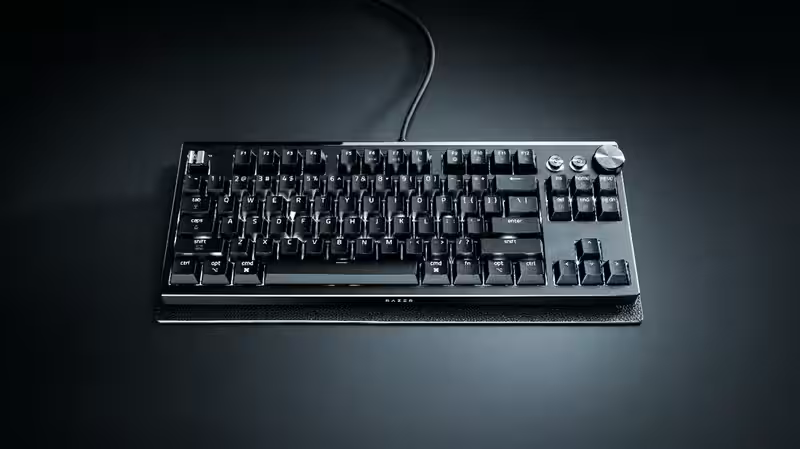
Hardware makers keep finding ways to charge more for less change. The latest example: Razer’s Huntsman Signature Edition, a $499.99 take on the Huntsman V3 Pro that swaps plastic for machined aluminum and a mirrorlike PVD backplate.
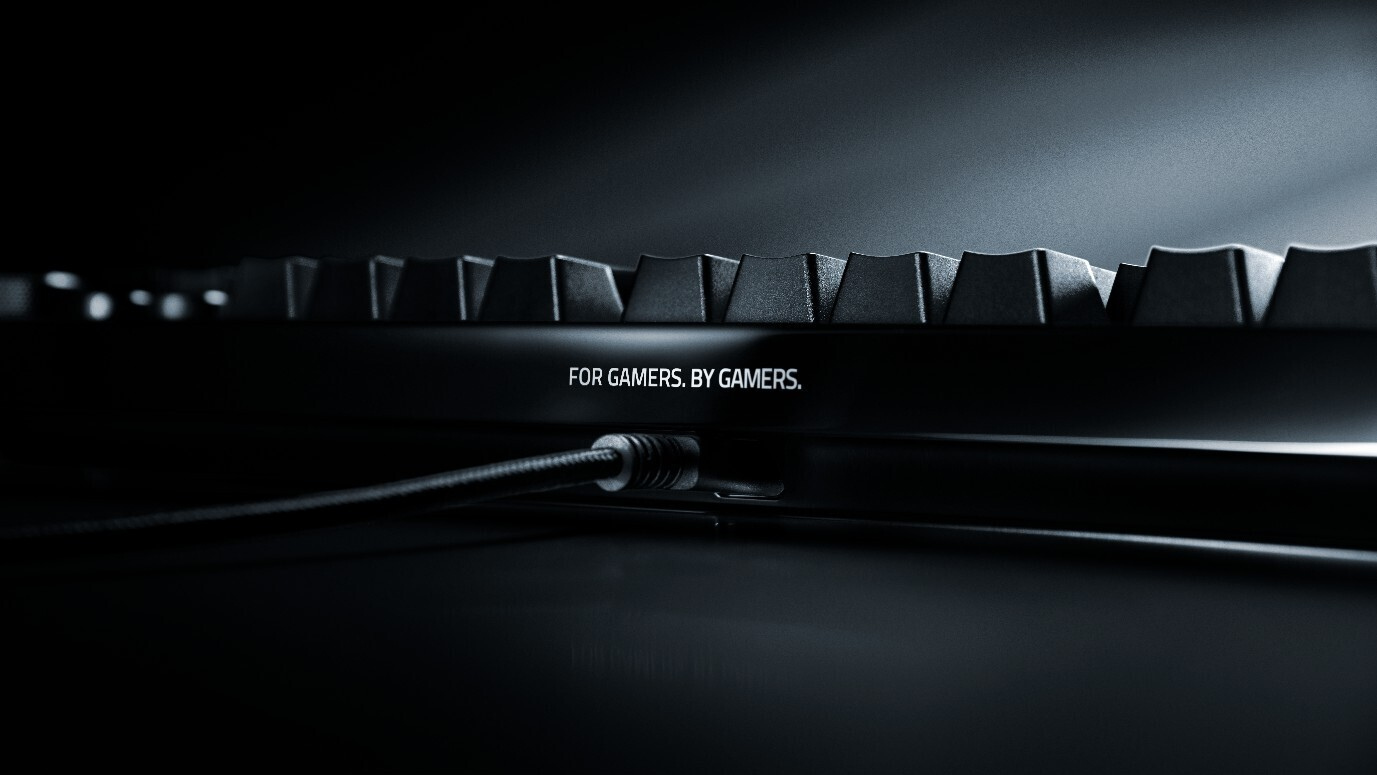
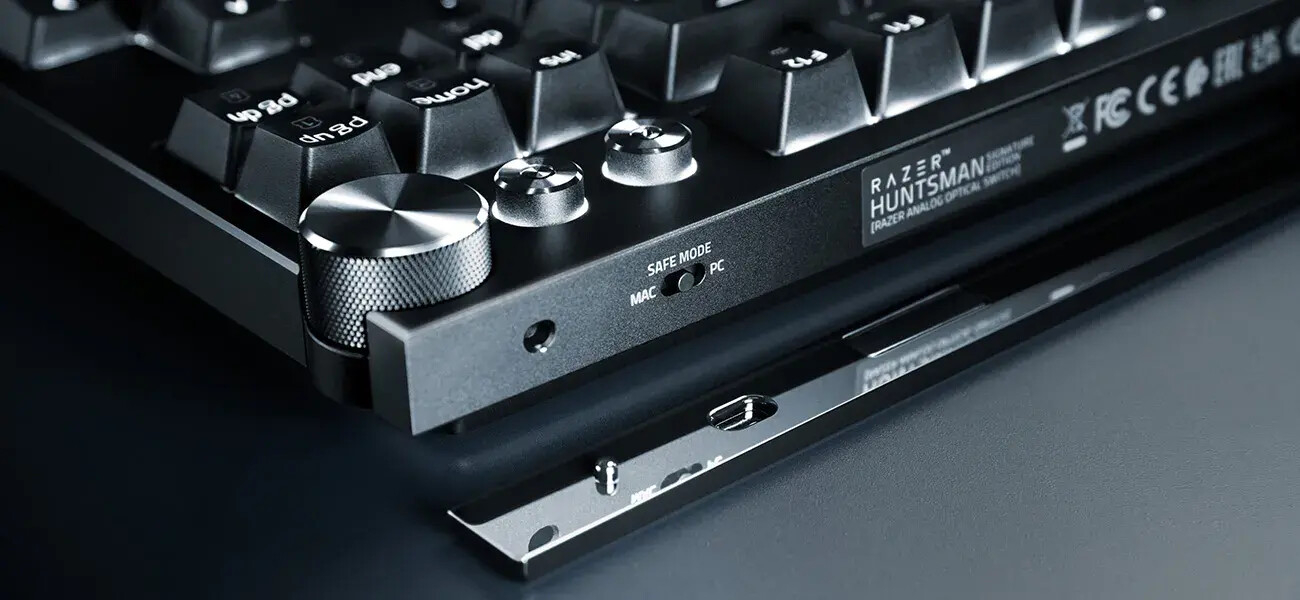
On paper the Signature Edition is familiar: it uses the Huntsman V3 Pro platform and keeps Razer’s Gen 2 analog optical switches and their 8000 Hz polling capability. In practice, Razer has focused its changes on build and finish – aluminum 6063 for the top and bottom plates, CNC machining, a glossy PVD-treated rear panel, and double-shot glossy PBT keycaps – then priced the result as a collector’s piece rather than a typical gaming peripheral.
The keyboard is sold exclusively through Razer’s online store and carries the exact $499.99 price tag Razer announced. The company also notes that the 8000 Hz mode requires a wired connection.
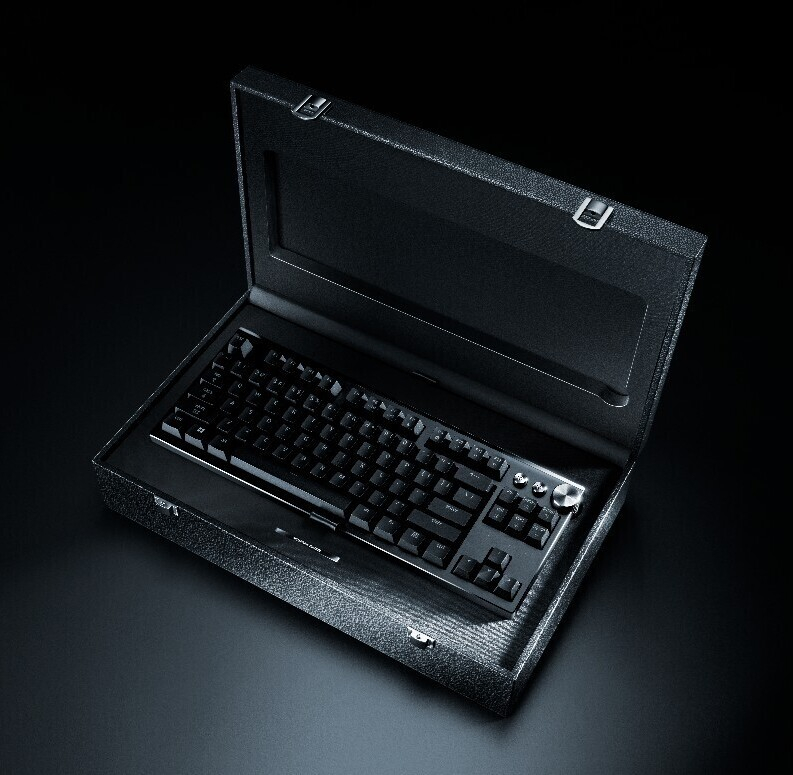
What it does – and what it doesn’t
Functionally, the Signature Edition keeps the Huntman V3 Pro’s advanced input features: adjustable actuation points, Rapid Trigger (dynamic actuation), Snap Tap and SOCD handling, plus an analog input for sim-style throttle/steering emulation. Those features make the board flexible for both gamers and sim racers, but they also edge into contentious territory for competitive play – Snap Tap and SOCD-like shortcuts are routinely banned by many tournament rule sets.
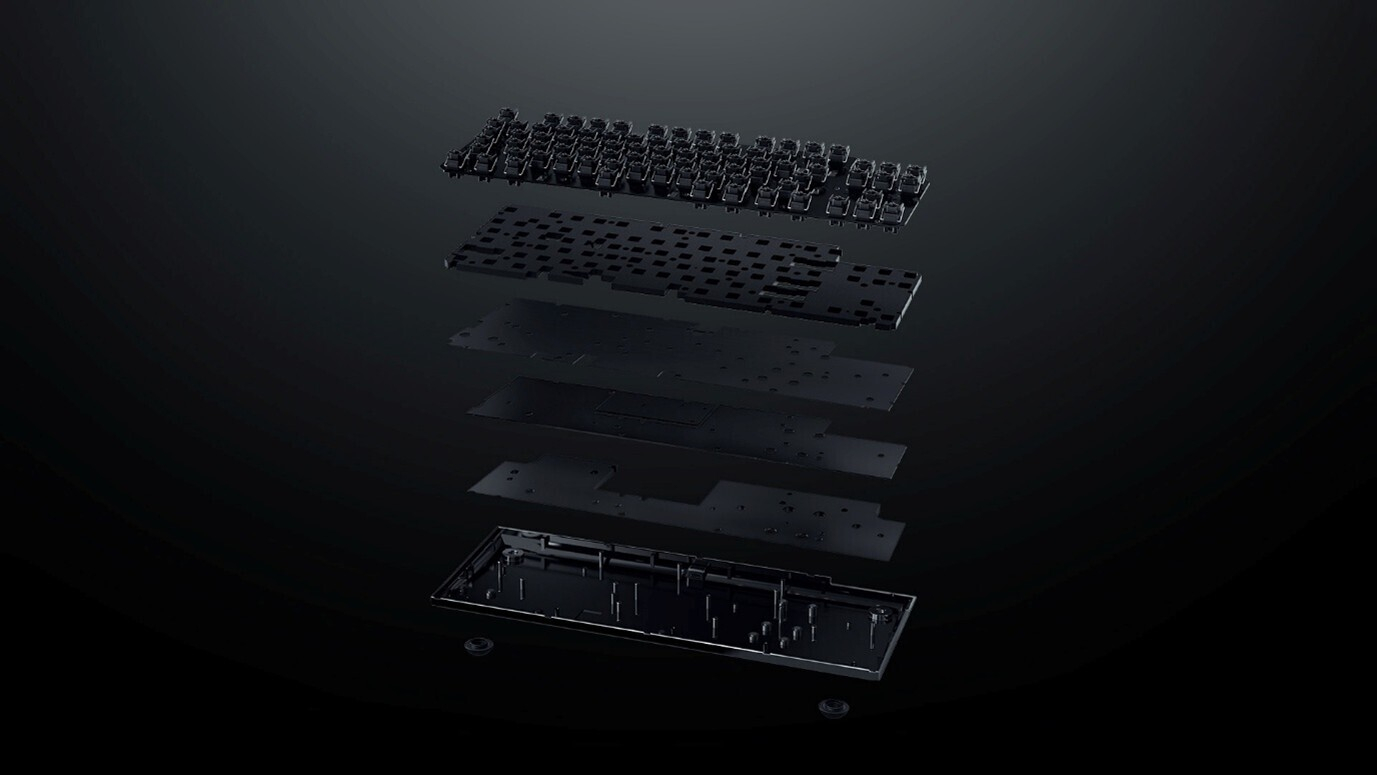
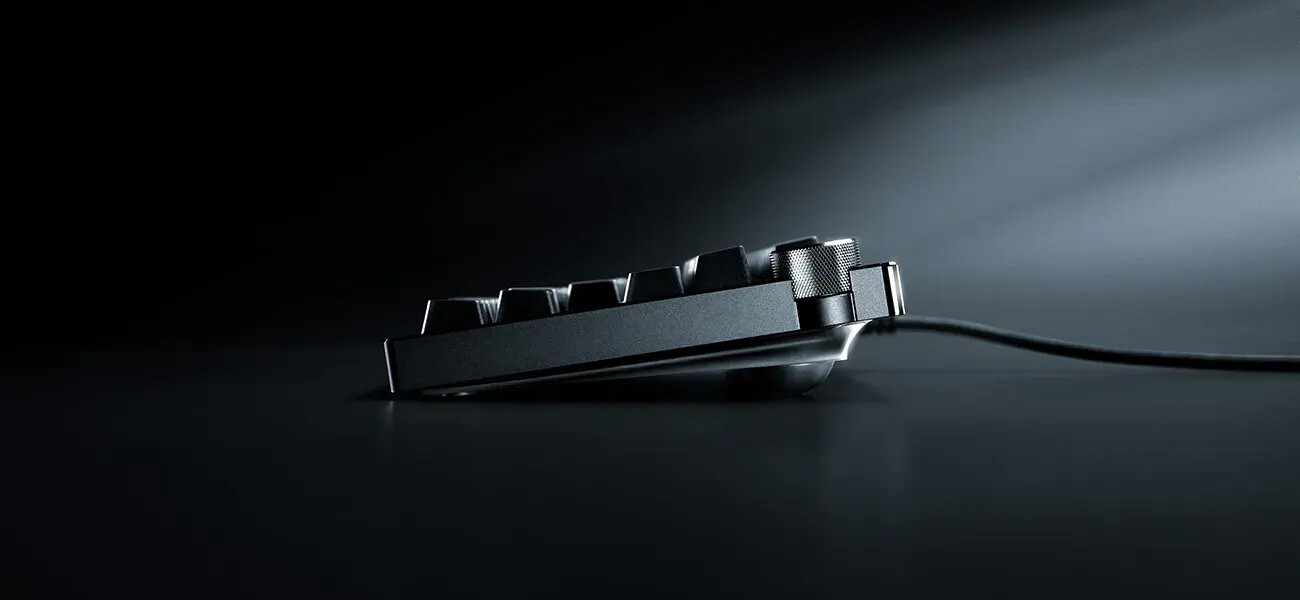
Razer also removed some of the cheaper visual cues from the standard V3 Pro – the loud plastic feet and oversized badges are gone – but the company sacrificed the two-stage height adjustment in the process. That trade-off will matter to users who prefer fine-grain tilt options over a lower-profile, heavier keyboard.
Why this matters (and who it’s for)
There are two obvious markets for a product like this. First: enthusiasts who treat keyboards like watches – hand-feel, metal plates, and limited-run finishes matter more than bang-for-buck. Second: brand-conscious buyers who want Razer branding but prefer a sleeker, more premium aesthetic. For either group, $499.99 isn’t implausible.
But for ordinary gamers the Signature Edition is hard to justify. Most mainstream flagship gaming keyboards from established brands sit well below $500, offering comparable latency and software features for a fraction of the price. And for buyers primarily chasing performance, the Signature Edition doesn’t introduce new switch hardware or wireless improvements – the core input stack is the same as the V3 Pro.
Where this fits in the bigger trend
Razer’s move is part of a wider premiumization trend in peripherals. Big vendors have been testing higher price points and limited finishes while boutique keyboard makers continue to sell CNC aluminum cases and artisan keycaps that can push total cost well past $500. Razer’s Signature Edition sits awkwardly between mass-market flagships and the custom scene: it offers CNC aluminum and a PVD finish, but it keeps mass-produced internals and features you can’t always use in competition.
That middle ground is a gamble. If Razer markets the keyboard as a collectible and keeps supply tight, it will probably sell to a small but enthusiastic audience. If it tries to position the board as a competitive tool, customers – and tournament organizers – will point out that several of its convenience features conflict with esports rulebooks.
What Razer left out
For the price you might expect a few extras: a hot-swappable switch plate, wireless 8000 Hz operation, a magnetic premium wrist rest, or more ergonomic tilt options. The Signature Edition provides none of those. Instead, Razer doubled down on weight and finish – aluminum 6063 everywhere and glossy PBT keycaps – and relies on the Huntsman V3 Pro’s established input feature set to carry the rest.
That design decision answers one question and raises another: is this a trimmed-down route to a perceived luxury product, or the first step toward a proper Razer collector line with unique internals? My money is on the former – Razer gave the V3 Pro a luxury coat, not a new engine.
Verdict and what’s next
The Huntsman Signature Edition is a statement piece not a spec sheet. If you value machined aluminum, PVD sheen, and a minimal look with full RGB, you’ll like it – and you’ll likely be willing to pay a premium. If you want the best performance per dollar, or features that matter to competitive play, the Signature Edition is a curious collectible that doesn’t change the core experience.
Expect Razer to lean into exclusivity and aesthetics with future limited editions. The more interesting question is whether buyers will reward that approach or continue to funnel money to boutique builders who already deliver metal cases and appreciable custom upgrades at similar price points.