

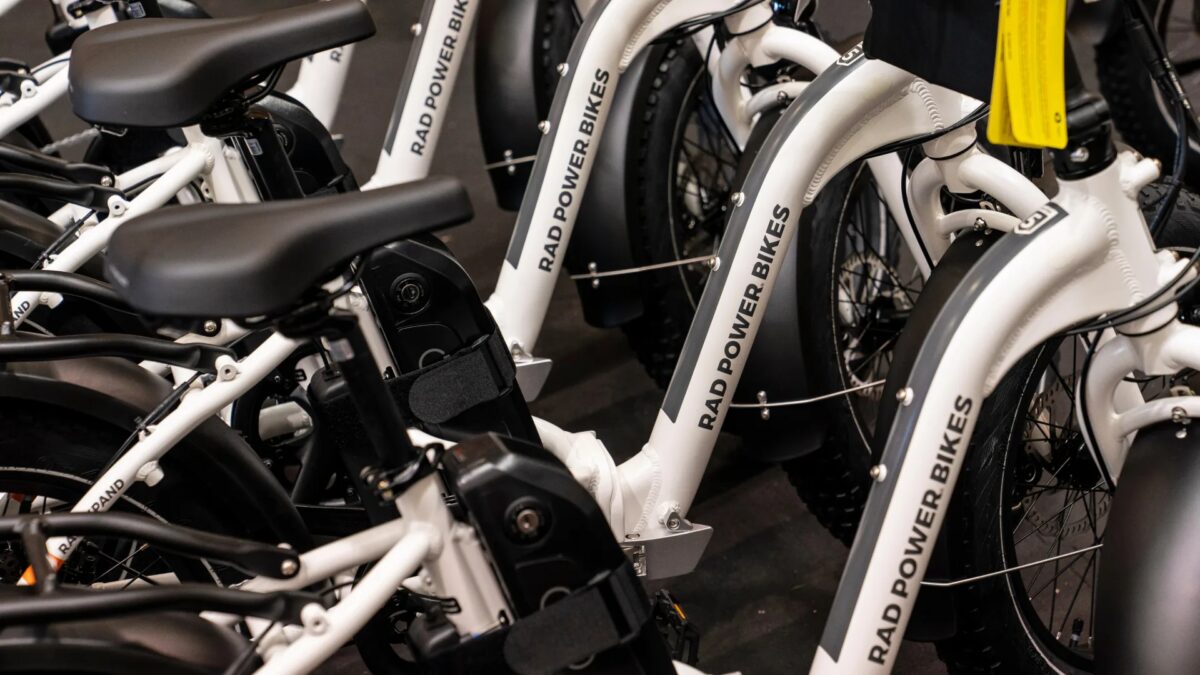
Once a shining star in the e-bike world valued at $1.65 billion, Rad Power Bikes has been sold for a mere $13.2 million after a rapid descent marked by plunging sales and safety controversies. The Seattle-based company, which pioneered affordable direct-to-consumer electric bikes in North America, now belongs to Life Electric Vehicles Holdings (Life EV), signaling a dramatic shift in fortunes for the once high-flying brand.
Founded in 2015, Rad Power Bikes rode the e-bike boom by offering budget-friendly models under $2,000 and cultivating a loyal community of riders. Their pandemic-fueled surge in sales seemed unstoppable, with revenues reaching nearly $130 million in 2023. However, the momentum collapsed just as swiftly. By 2025, revenue tanked to about $63 million, largely due to a wave of lawsuits over lithium-ion battery fires and the company’s inability to launch a costly recall effort.
When Rad Power Bikes filed for Chapter 11 bankruptcy in December 2025, the $13.2 million acquisition by Life EV appeared to be a desperate rescue rather than a strategic buy. Life EV took control of Rad’s brand, inventory, intellectual property, and liabilities, aiming to revive the brand while expanding their own retail footprint in key markets.
From e-bike frontrunner to cautionary tale
Rad Power Bikes’ story encapsulates the volatility in the booming e-bike industry. Initially lauded for its innovation and grassroots marketing, the company failed to keep pace with growing safety and quality expectations that came after rapid growth. The lithium battery failures and resulting lawsuits severely damaged consumer trust and ate into already slim margins. Unlike some rivals that invested heavily in quality control and after-sales service, Rad’s financial struggles blocked such investments.
The drastic drop in Rad’s valuation also highlights a broader reckoning for e-mobility startups that burned through capital betting on continued exponential growth. Several competitors with more diversified product lines and stronger safety records have been gaining market share as wary consumers double down on reliability and warranty support.
What Life EV is betting on with Rad Power Bikes
Life EV’s acquisition is not merely a sign of Rad’s fall but an opportunity to leverage an established brand name with a passionate user base. CEO Rob Provost stressed a commitment to safeguarding Rad’s legacy while growing the direct-to-consumer business model. Life EV itself has been expanding in the electric vehicle space, and acquiring Rad allows it to diversify its portfolio beyond electric cars and scooters.
Whether Life EV can turn Rad Power Bikes around remains uncertain. The new owner inherits a brand tainted by safety recalls but also a sizable inventory and established distribution channels. Their challenge will be to restore consumer confidence through improved battery technology and customer service while fighting off emerging rivals aggressively targeting the mid-range e-bike market.
Rad’s steep decline reminds investors and entrepreneurs alike that hype and rapid growth don’t guarantee lasting success, especially in industries where safety and reliability are non-negotiable. As Life EV prepares to write the next chapter for Rad Power Bikes, all eyes will be on whether they can redeem a brand that once epitomized e-bike promise but now serves as a cautionary tale.