Qualcomm’s recent Snapdragon processors have sparked more questions than answers, especially with the arrival of Apple’s MacBook Neo, which challenges the obsession over absolute chip supremacy. While Qualcomm’s Snapdragon 8 Elite Gen 5 often steals headlines as the top-tier chip powering most flagship phones, hidden beneath it are closely matched alternatives that perform just as well, forcing a rethink about how much raw power consumers actually need from their devices.
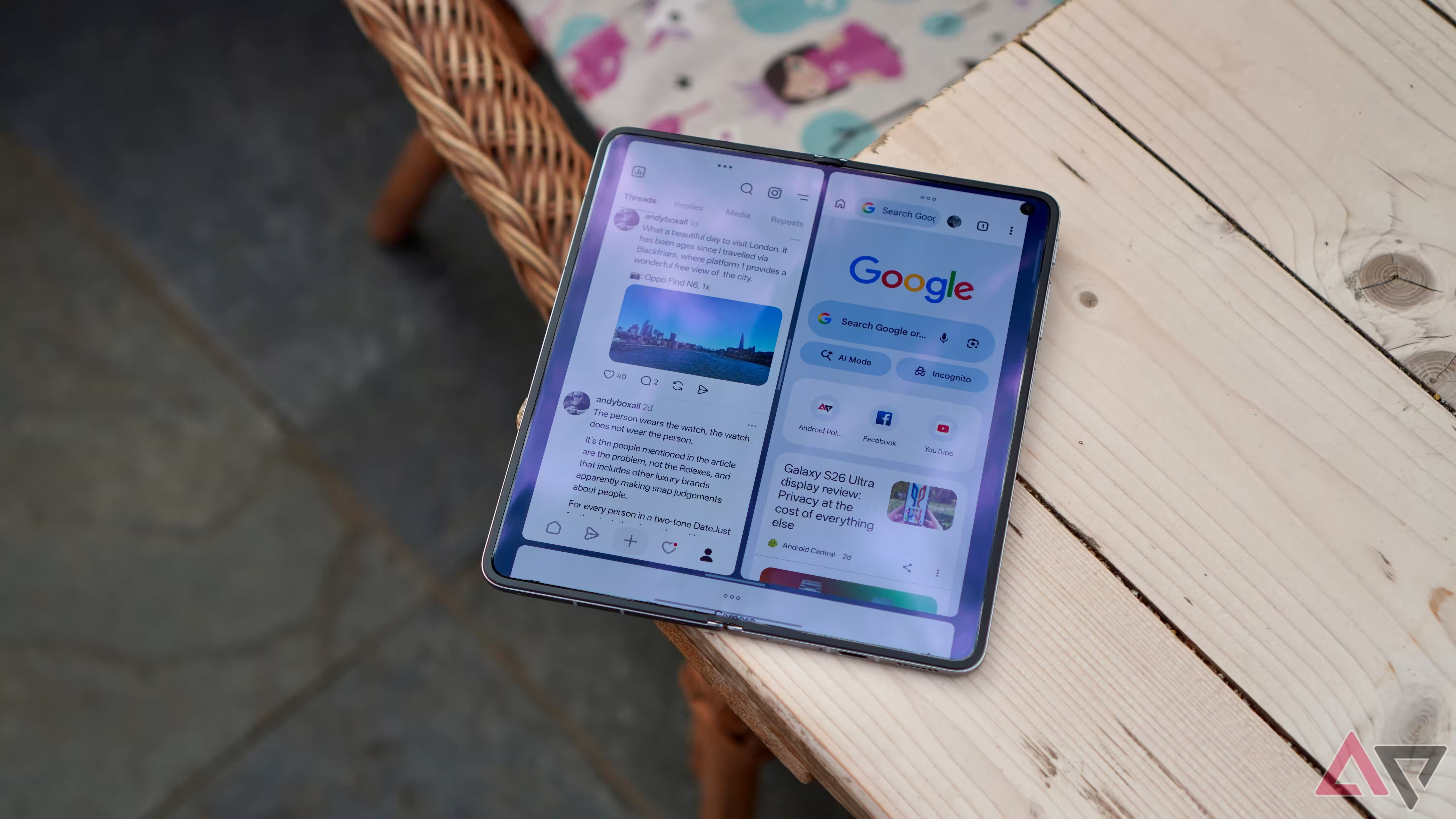
Throughout 2025 and 2026, Qualcomm has released several closely related chips under the Snapdragon 8 Gen 5 family. Alongside the well-known octa-core 8 Elite Gen 5, there’s a lesser-known 7-core variant tucked into devices like the Oppo Find N6. Despite having one fewer core, this 7-core version held its own admirably, easily handling multitasking, gaming, and even augmented reality glasses support, beating the higher core-count chips in benchmarks. Meanwhile, the standard Snapdragon 8 Gen 5 chip, often seen as a notch below the Elite, offers comparable day-to-day performance, as evidenced by solid performance on devices like the OnePlus 15R.
Benchmark tests reveal surprising results:
- Samsung Galaxy S24 Ultra (Snapdragon 8 Gen 3): Multi-core 7316, Single-core 2079
- OnePlus 15R (Snapdragon 8 Gen 5): Multi-core 8581, Single-core 2168
- Oppo Find N6 (Snapdragon 8 Elite Gen 5, 7-core): Multi-core 9506, Single-core 3657
- Honor Magic 8 Pro (Snapdragon 8 Elite Gen 5, octa-core): Multi-core 9555, Single-core 3492
- OnePlus 15 (Snapdragon 8 Elite Gen 5, octa-core): Multi-core 9070, Single-core 2963 (likely throttled)
These numbers underscore the nuances within Qualcomm’s claims of ”flagship” processors-each chip falls in a close performance bracket, where thermals and practical performance often overshadow raw core count or headline specs. The octa-core variant, while powerful, comes with increased heat and higher manufacturing costs that raise device pricing. This seems to have driven Qualcomm to quietly introduce lower-core alternatives that deliver nearly competitive performance without the drawbacks, indicating a strategic shift from the relentless chase of ultra-maximum power.
Yet, Qualcomm’s messaging around these chips remains muddy at best, with little marketing focus on the less ostentatious 7-core option. Many buyers may still be drawn to devices boasting the ”Elite” label with a full eight cores, unaware that slightly less hyped alternatives provide a real-world power difference that’s marginal at best. This creates confusion and undermines value for consumers who might pay premium prices unnecessarily.
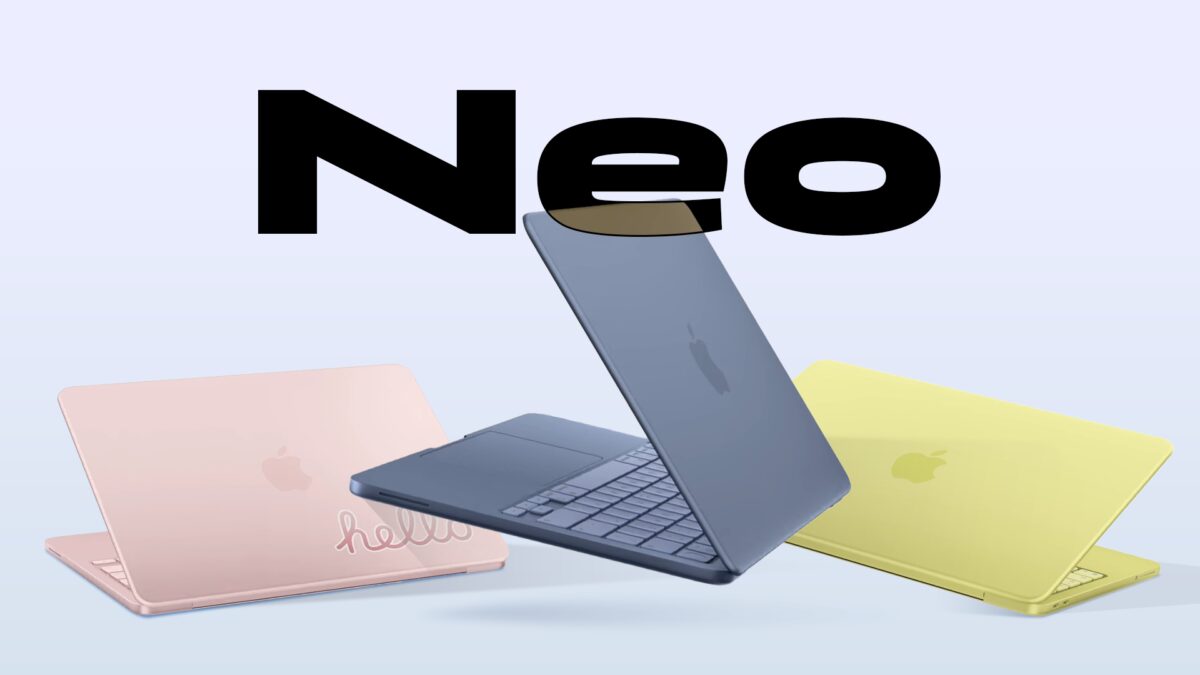
The MacBook Neo enters this debate unexpectedly, running on Apple’s A18 Pro chip-essentially a mobile CPU from 2024, not even the latest. It carries no high-end hype or headline-grabbing specs, yet in testing, it powers a fairly priced $600 laptop without breaking a sweat, easily handling demanding workloads many assumed would be impossible on a chip that isn’t the newest or ”best.” This deflates the notion that only the most advanced chips can deliver satisfactory performance across computing tasks.
The real story isn’t the chip leaders but how granular Qualcomm’s offerings have become. The company tries to dominate the narrative with its priciest chip, concealing near-equivalent alternatives that could offer better efficiency and value in many devices. This segmentation doesn’t help manufacturers either, as choosing the flagship octa-core chip adds $240 to $280 in 2025 costs alone, pushing device prices higher without a proportional user benefit.
Ultimately, the MacBook Neo forces a reckoning: the latest or biggest chip isn’t always necessary. The Snapdragon 8 Gen 5 line might benefit from simplification and clearer communication, helping consumers select devices based on practical performance rather than chasing marginal spec advantages. As mobile chip design plateaus on raw speed gains, efficiency and balanced performance become more important-and Qualcomm’s current strategy risks alienating consumers stuck in the ”bigger is better” chip race.