

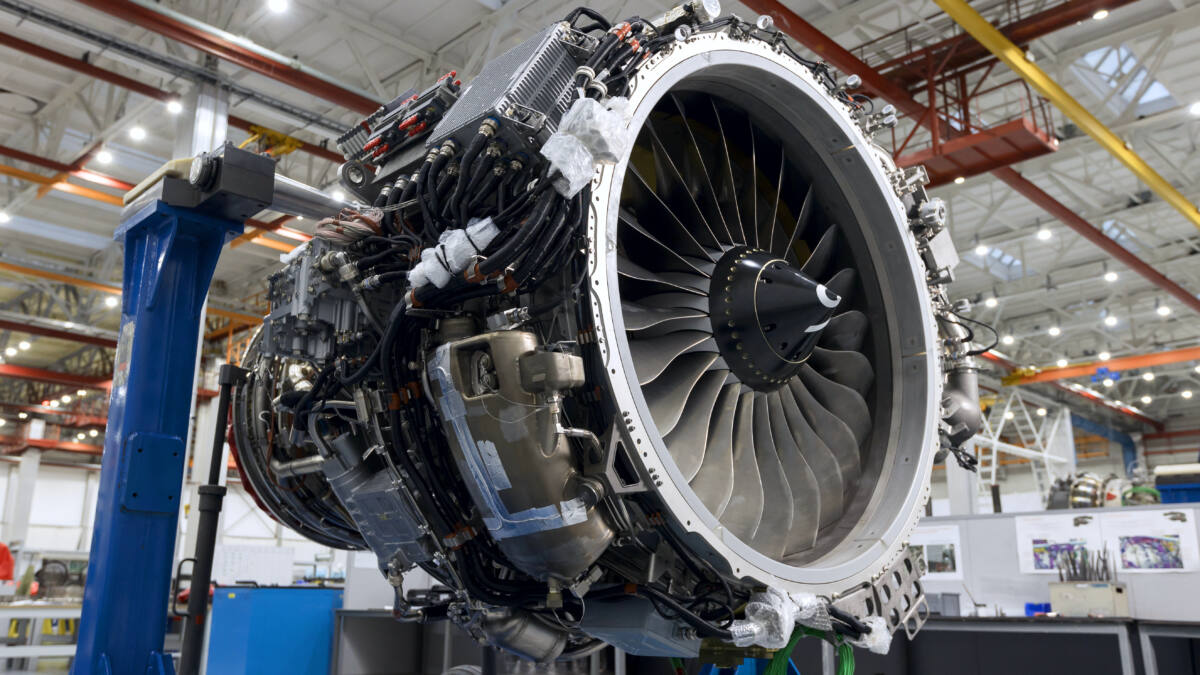
Russian aero engine manufacturer ODK-STAR, part of Rostec’s United Engine Corporation, has secured approval from the Russian aviation authority for its PD-8 engine’s electronic control units, confirming their resilience against lightning strikes. This milestone clears a significant hurdle toward the serial production and certification of the PD-8, intended for the Superjet and Be-200 aircraft models.
Dmitry Kopyusov, head of aircraft certification at Rosaviatsia, highlighted that receiving these certificates represents a critical step toward full type certification and mass production readiness of the PD-8 engine. ODK-STAR is expected to undergo production audits shortly to authorize large-scale manufacturing.
The certified electronic units include the engine’s digital electronic controller (RED-8) and protection module (BZD-8), both of which successfully passed category four lightning immunity testing. These components manage the engine’s operating modes and safeguard against rotor overspeed and overheating. They also integrate with aircraft systems through digital communication protocols powered by domestically developed software.
ODK-STAR has established itself as a key player in designing, producing, and servicing fuel supply and control systems for aviation gas turbine engines, as well as marine and ground-based applications. This certification reflects ongoing efforts by Russia to reduce reliance on foreign aerospace technologies amid geopolitical pressures and sanctions.
While the PD-8 engine aims to enhance the domestic Superjet program’s competitiveness, Western engine manufacturers like Pratt & Whitney and Rolls-Royce continue to dominate the global market with their extensive testing and certification resources. Russia’s push for independent engine development may face challenges in scaling production and ensuring consistent reliability in international operations.
The next phase involves certification authorities closely inspecting ODK-STAR’s production capabilities to ensure the PD-8 can be manufactured in volume to meet the needs of ongoing Superjet and Be-200 orders. Success here will mark a rare industrial feat from Russia’s aviation sector as it advances indigenous aerospace systems in a crowded and technically demanding field.