

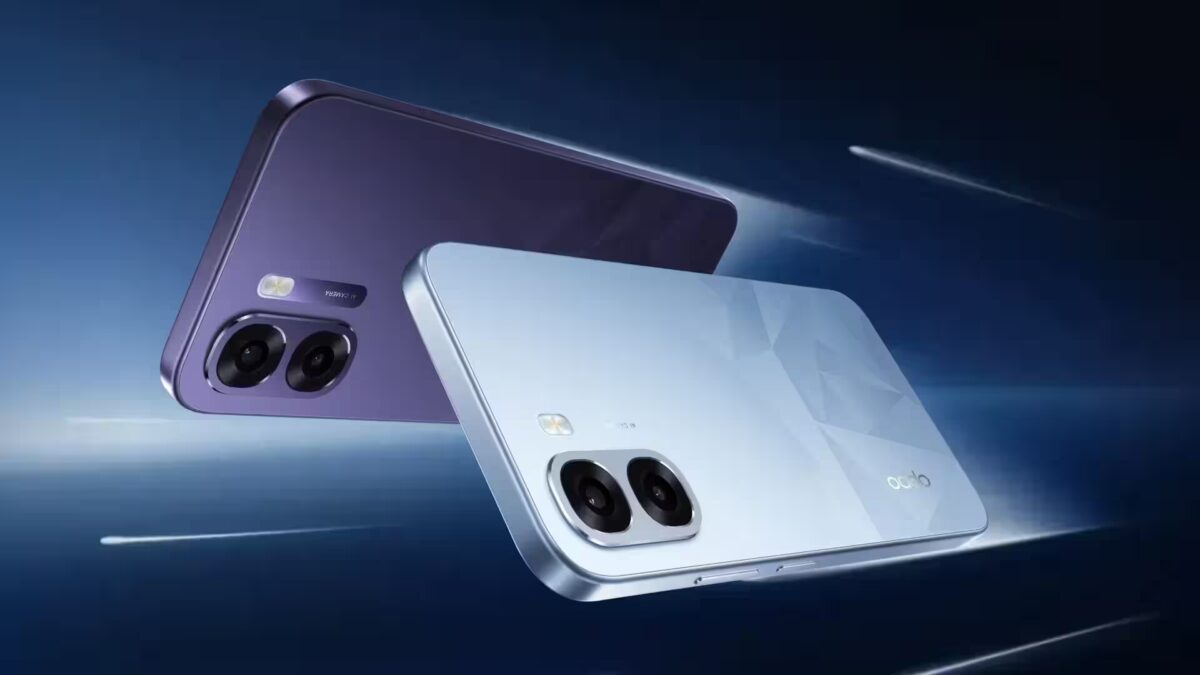
The smartphone maker Oppo has announced it will increase prices on select models starting March 16, 2026. This update was shared via an official notice on the brand’s online store.
According to Oppo, the decision follows a ”careful assessment” of current market conditions. The main driver is the climbing cost of key components, particularly memory modules and storage systems. The new pricing will take effect from midnight on March 16.
This price adjustment will affect several existing devices within Oppo’s lineup, specifically the Oppo A and Oppo K series. The price changes will also extend to smartphones under the OnePlus brand, which is owned by the same parent company.
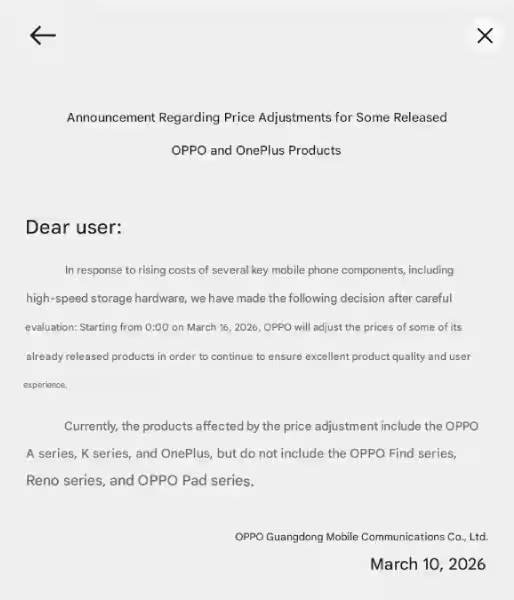
Not all product lines will see price increases, however. Oppo’s flagship Find and Reno series will keep their current prices for now, and the Oppo Pad tablet series remains unaffected.
The company emphasized that this step is necessary to maintain product quality and overall user experience amid rising manufacturing costs. Memory and storage components remain some of the priciest parts in modern smartphones, with prices often fluctuating based on global supply and demand.
Oppo isn’t alone in adjusting prices. Other smartphone manufacturers have hinted, or already implemented, price hikes due to increasing component costs. Among them are Vivo and Xiaomi.
For example, Xiaomi’s sub-brand Redmi raised the price of its Redmi Turbo 5 model in China by 100 yuan recently. Samsung has also increased prices on some Galaxy models in the Indian market.
For international audiences, this is a clear sign that global supply chain pressures continue to ripple across the smartphone market, impacting pricing even among major brands known for aggressive value propositions. For Russian readers, Oppo and OnePlus are familiar players in both the domestic and export scenes, and these adjustments reveal how global component inflation feels at a local level.
From a wider perspective, this trend of incremental price boosts at a component level signals a broader shift in the smartphone industry’s economics. As memory and storage technologies evolve and remain costly, manufacturers will increasingly pass these costs down to end users, particularly in the mid-range market segments where Oppo A and K series sit. Flagship devices may hold prices a little longer due to brand positioning, but as we’ve seen with Samsung and Xiaomi’s sub-brands, the ripple effect is only growing stronger worldwide. For consumers, this means smarter buying decisions are more crucial than ever as cost savings narrow and innovation continues at a fever pitch.