

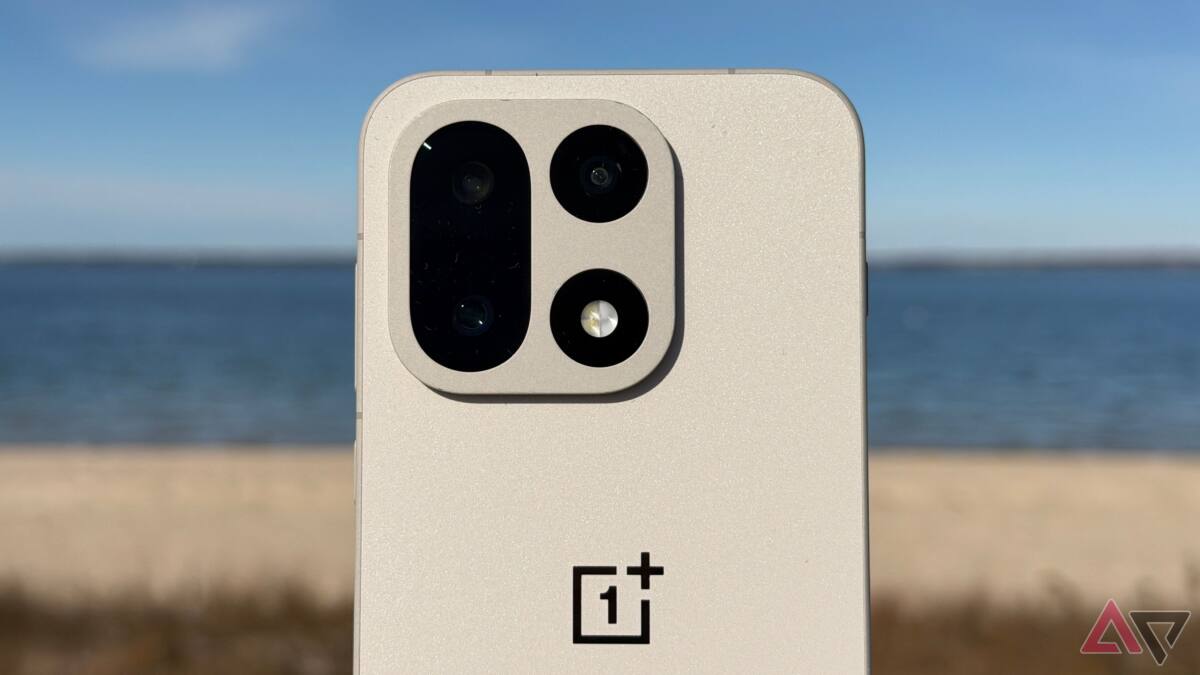
OnePlus’s departure from the US market, confirmed in early 2026, is more than just another brand pulling out-it robs American consumers of a competitive alternative that pushed hardware boundaries without demanding flagship prices. Though many might miss it quietly, this exit sharpens the duopoly of Samsung and Google in US flagship Android phones, where innovation risks slowing without robust competition.
Unlike before, when OnePlus often clashed on hardware specs with giants, commanding attention with devices like the OnePlus 15 and 15R, their withdrawal removes a significant challenger. The OnePlus 15, with its massive 6,000mAh silicon-carbon battery and Snapdragon 8 Elite Gen 5 chipset paired with 16GB RAM, outperforms Samsung’s Galaxy S26 Ultra on battery life-without the latter’s hefty price tag. The 15R extends this value approach by delivering flagship-level power on a lower-cost Snapdragon 8 Gen 5 chip. Samsung’s flagship might boast brand prestige, but not battery endurance or a comparable price-performance ratio.
OnePlus’s struggles stemmed less from hardware issues and more from market positioning and US carrier dynamics. The loss of carrier store presence-particularly at major providers like T-Mobile-crippled OnePlus’s ability to offer device financing and trade-in deals, key factors in US smartphone sales where many users rely on monthly payments. Physical carrier storefronts also provide essential visibility for buyers who prefer in-person shopping over online purchases. This lack of carrier support compounded the challenges for OnePlus despite its solid product lineup.
With OnePlus gone, Samsung and Google face less pressure to innovate aggressively on flagship devices. The US market’s flagship segment is effectively narrowed, as Motorola sticks to midrange and foldables without vying for top-tier power and performance. Exciting advancements in battery tech and camera sensors, glimpsed mainly in international markets, are slow to reach American buyers. Samsung’s reluctance to upgrade sensor hardware hints at complacency born from limited rivalry. Competition had a knack for pushing companies to invest in new technology-without it, incremental updates dominate.
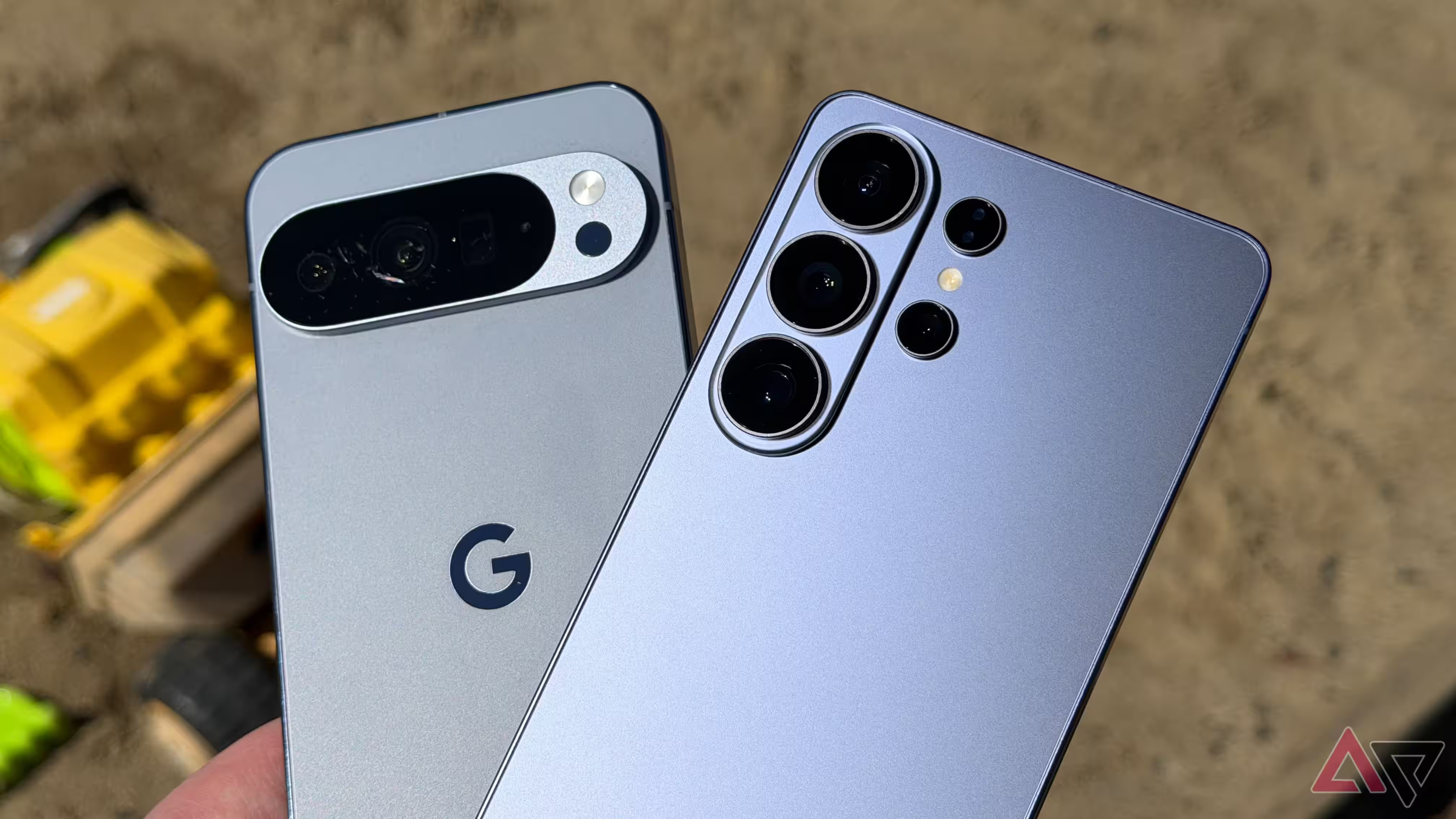
The impact of OnePlus’s exit extends beyond hardware-it’s about the health of the US smartphone ecosystem. While OnePlus’s retreat is a blow, anticipation remains that Oppo, OnePlus’s parent company, might step in to fill the void with a serious US launch. This could rekindle competition and innovation. Until then, consumers should expect less aggressive pricing and slower tech leaps from the remaining flagship players.
OnePlus offered a blueprint for delivering top-tier specs at a fraction of the usual cost, a model few followed closely. Its absence will likely allow flagship prices to stay inflated, innovation to stall, and buyer choice to shrink in the US market. Without the push from challengers, Samsung and Google’s dominance may deepen-but arguably to the buyer’s detriment.