

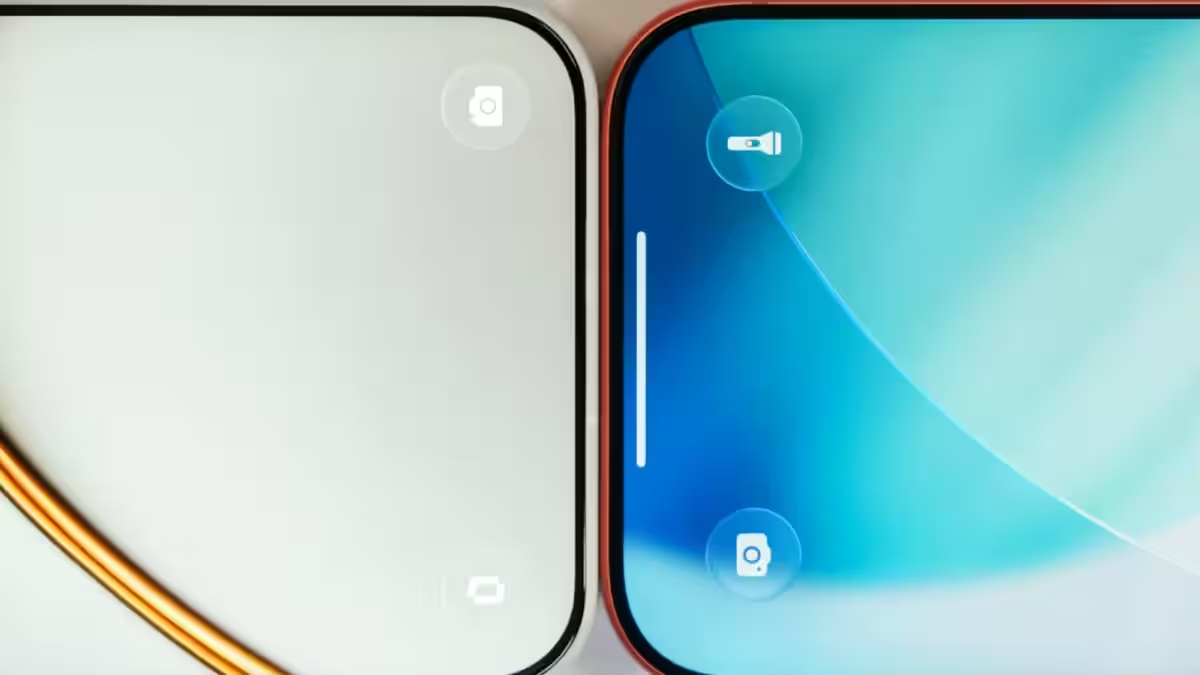
As smartphone designs edge closer to borderless displays, OnePlus is escalating the race with the upcoming 15T, promising some of the thinnest bezels ever seen on a compact flagship. Leaked images shared by OnePlus China’s president showcase the 15T alongside Apple’s iPhone 17 Pro, suggesting the OnePlus device will boast narrower screen borders, roughly around 1.2 millimeters, eclipsing Apple’s 1.44mm bezels.
The significance here isn’t just cosmetic. Achieving near-borderless viewing on a smaller device like the 15T involves technical feats in how the screen and internal components are packaged. OnePlus credits a novel ”chip-level packaging system” and groundbreaking in-house display technologies for pushing bezel size down. This kind of innovation is emblematic of current smartphone design wars, where manufacturers strive for immersive viewing experiences while juggling durability and component integration.
What the OnePlus 15T brings beyond ultra-thin bezels
While its sleek frame may steal headlines, the 15T is also shaping up as a serious contender under the hood. Rumored specs indicate a 6.32-inch OLED display with a 1.5K resolution and an ultra-smooth 165Hz refresh rate, appealing to users hungry for fluid visuals. Biometric security comes via an ultrasonic in-display fingerprint sensor, while selfie enthusiasts may get a sharp 32-megapixel front-facing camera.
On the imaging front, the rear camera setup is intriguing, likely featuring either a massive 200MP Samsung HP5 sensor or a 50MP Sony IMX906 as the main shooter, paired with a noteworthy 50MP Samsung JN5 periscope telephoto lens. However, it seems OnePlus might skip including an ultra-wide camera, a nod to a more focused camera experience rather than an all-in-one setup.
The 15T is expected to run Qualcomm’s Snapdragon 8 Elite Gen 5 chipset and pack a hefty 7,500mAh battery, offering fast 100W wired and 50W wireless charging. Additional rumored features include an IP68/69-rated water and dust resistance, plus a Plus Key for customizable actions – all hallmark traits that push the device into flagship territory.
OnePlus’s aggressive bezel shrinkage highlights a broader trend where premium phone makers push the limits of screen-to-body ratios. Apple’s incremental bezel refinements in the iPhone 17 Pro set a high bar, but OnePlus is clearly betting that tech enthusiasts will gravitate toward a sleeker, potentially more compact device without compromising performance or battery life.
This bezel battle raises questions about durability and repairability, as thinner edges can mean less structural margin for error if dropped. That OnePlus is packaging these advancements alongside high battery capacity and flagship-level internals suggests a balanced approach rather than chasing minimal bezels at all costs.
The upcoming launch this month in China will test if this design gamble pays off. If successful, the OnePlus 15T could pressure rivals in the premium compact segment to prioritize bezel slimness more aggressively, reigniting debates over the best mix of screen real estate, ergonomics, and ruggedness in a small flagship phone.