

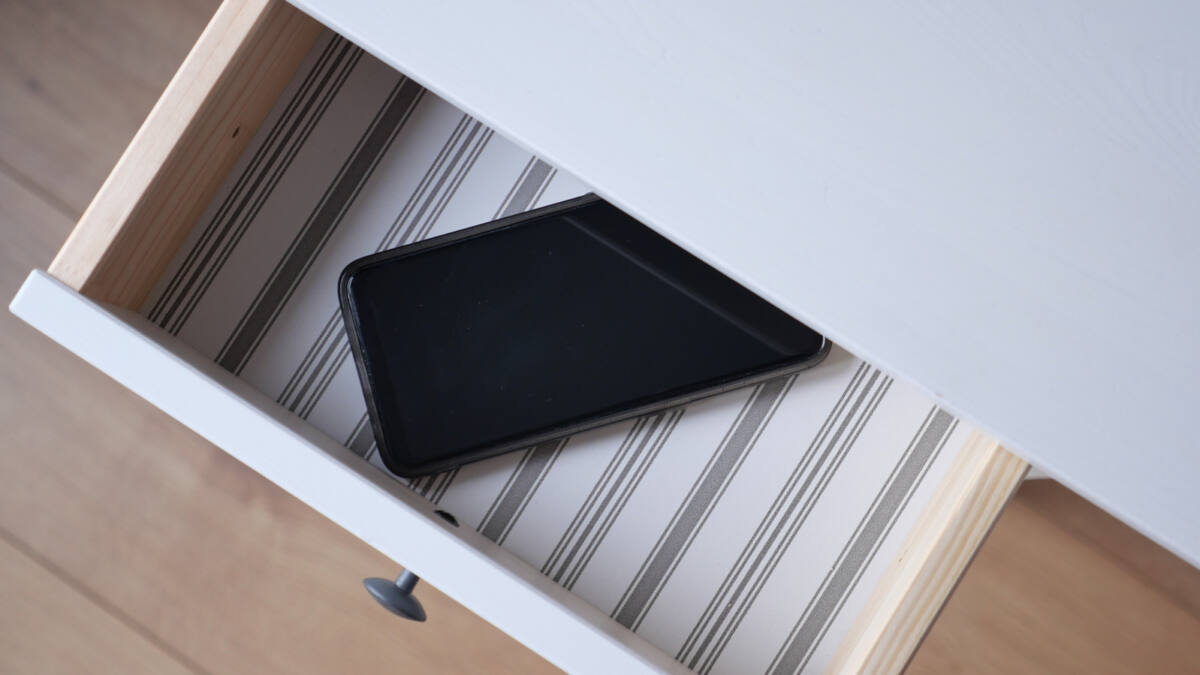
That forgotten smartphone in the junk drawer is doing more than collecting dust. An old phone can turn into a fire risk because its lithium-ion battery degrades over time, and it can also become a soft target for thieves or malware if it still holds your data and no longer gets security updates.
The annoying part is that both problems are easy to ignore until they are not. A dead-looking handset can still contain enough charge to misbehave, and a switched-off phone is not automatically a safe phone if someone steals it later. If you are wondering what to do with an old phone, the answer is: back it up, wipe it, and recycle the battery if you are not using it.
Old phone batteries can fail long after the phone does
Battery aging is the simplest danger here. As lithium-ion cells wear down, they become less stable, and in rare cases they can catch fire or even explode. The source cites incidents ranging from a house fire tied to a charging phone to older devices bursting during extreme heat, which is a good reminder that storage conditions matter a lot more than nostalgia.
If you are keeping an old phone, the basics are boring but effective: store it somewhere cool and dry, keep the charge around 50% if it will sit in storage, and remove the battery if it comes out easily. And no, your household trash is not the place for lithium-ion batteries. Retailers such as Best Buy offer battery disposal, and local recycling programs are usually better than the ”I’ll deal with it later” method.
- Store old phones in a cool, dry place
- Keep the battery around 50% if the phone stays in storage
- Remove an easily removable battery
- Recycle lithium-ion batteries instead of throwing them away
Your old phone is still holding your data
The other risk is digital, and it is less dramatic but probably more common. Old messages, photos, and app data stay on the device unless you factory reset it, which means the phone can sit there as a compact bundle of private information. Once security updates stop, it becomes even easier to exploit, because unpatched phones age into convenience items for attackers.
There is also the small matter of physical access. If the phone is stolen from your home, a newer device with current protections is a much harder target than an old handset that has not been touched in ages. The safer move is to check for updates while the phone is still yours, move anything important elsewhere, then wipe it clean and keep it off your home network if you insist on storing it.
How to recycle an old phone safely
There is a decent argument for not hoarding old phones at all. Recycling or donating them is usually the better option, especially now that newer devices are more tightly locked down and old ones age out of support faster than people expect. If you really want to keep one, treat it like dormant risk, not collectible decor.
The practical question is simple: is the phone backing up a memory, or is it backing up your liability? If it is the latter, the smart move is to power it down properly, remove the battery if possible, wipe the storage, and send the battery to recycling before your drawer starts looking like a tiny fire code violation.