

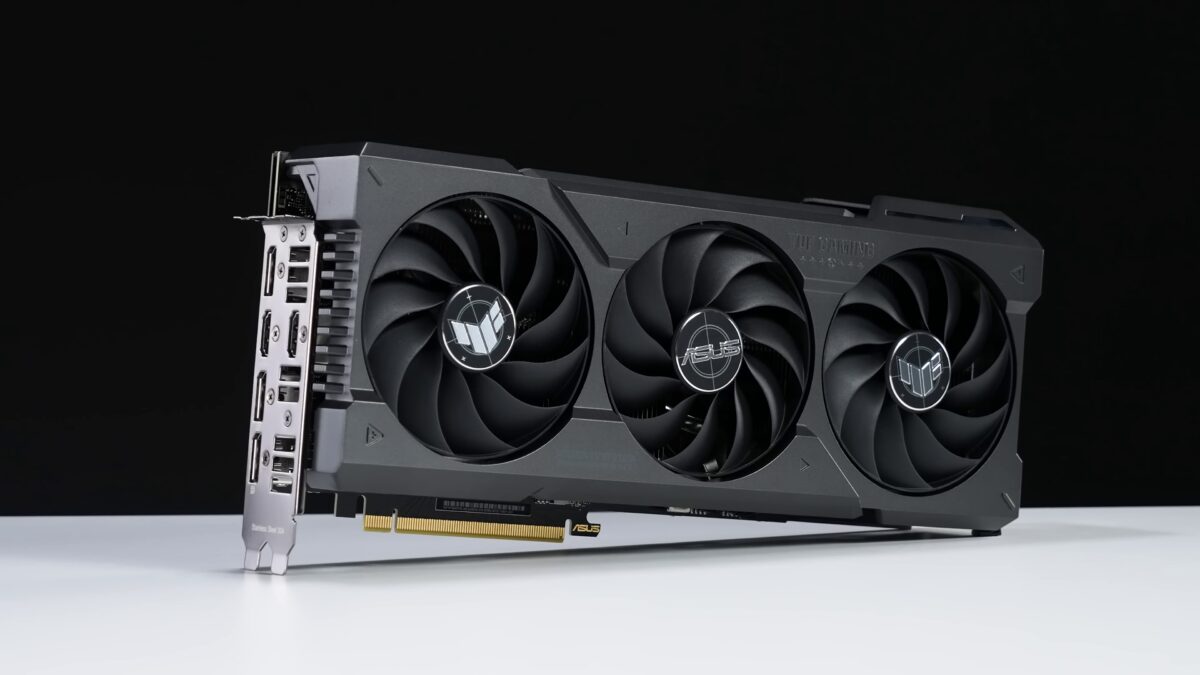
Nvidia has rolled out version 595.58.03 of its Linux graphics driver, delivering long-awaited fixes for several persistent problems under the Wayland display server protocol. The update addresses GPU instability, a kernel crash triggered by disconnecting DisplayPort or Thunderbolt docks, and a malfunctioning PowerMizer control panel on Wayland. For Linux users frustrated by past Nvidia driver headaches, this marks another step toward smoother GPU support on open-source platforms.
Historically, running Nvidia GPUs on Linux has been a challenge, especially with the transition from X11 to Wayland, which most Linux desktops are adopting. The company’s proprietary drivers often lagged behind in supporting newer Linux display technologies, leading to issues that ranged from crashes to display wakes failing on external monitors. With Nvidia’s ongoing efforts, the user experience has steadily improved, making gaming and workstation workloads on Linux more viable.
The new driver specifically tackles a sleep/wake bug that prevented ”kwin_wayland”-a key Wayland compositor in KDE Plasma-from waking external displays correctly under certain conditions. Nvidia also resolved a kernel null pointer dereference caused when disconnecting Thunderbolt or DisplayPort docks configured with Multi-Stream Transport (MST), a configuration favored in multi-display setups. Additionally, the PowerMizer preferred mode dropdown menu, which controls GPU power states, has been restored to full functionality on Wayland sessions.
Linux Nvidia driver improvements for Wayland display support
Nvidia’s growing Linux focus, bolstered by partnerships with companies like Valve that are pushing gaming on open-source systems, is paying dividends. Installing Nvidia drivers is now far less of a gamble than it once was, although Windows remains the simpler choice for many users. The company’s willingness to patch Wayland-specific issues indicates recognition of the protocol’s rising prominence as the default display server in popular desktop environments like GNOME and KDE Plasma.
This driver update comes at a critical time as many Linux distributions prepare for default Wayland sessions and users expect Nvidia GPUs to perform reliably out of the box. The fixes also suggest better overall stability for future Nvidia releases. Users relying heavily on external docks or multi-monitor setups will particularly appreciate these corrections.
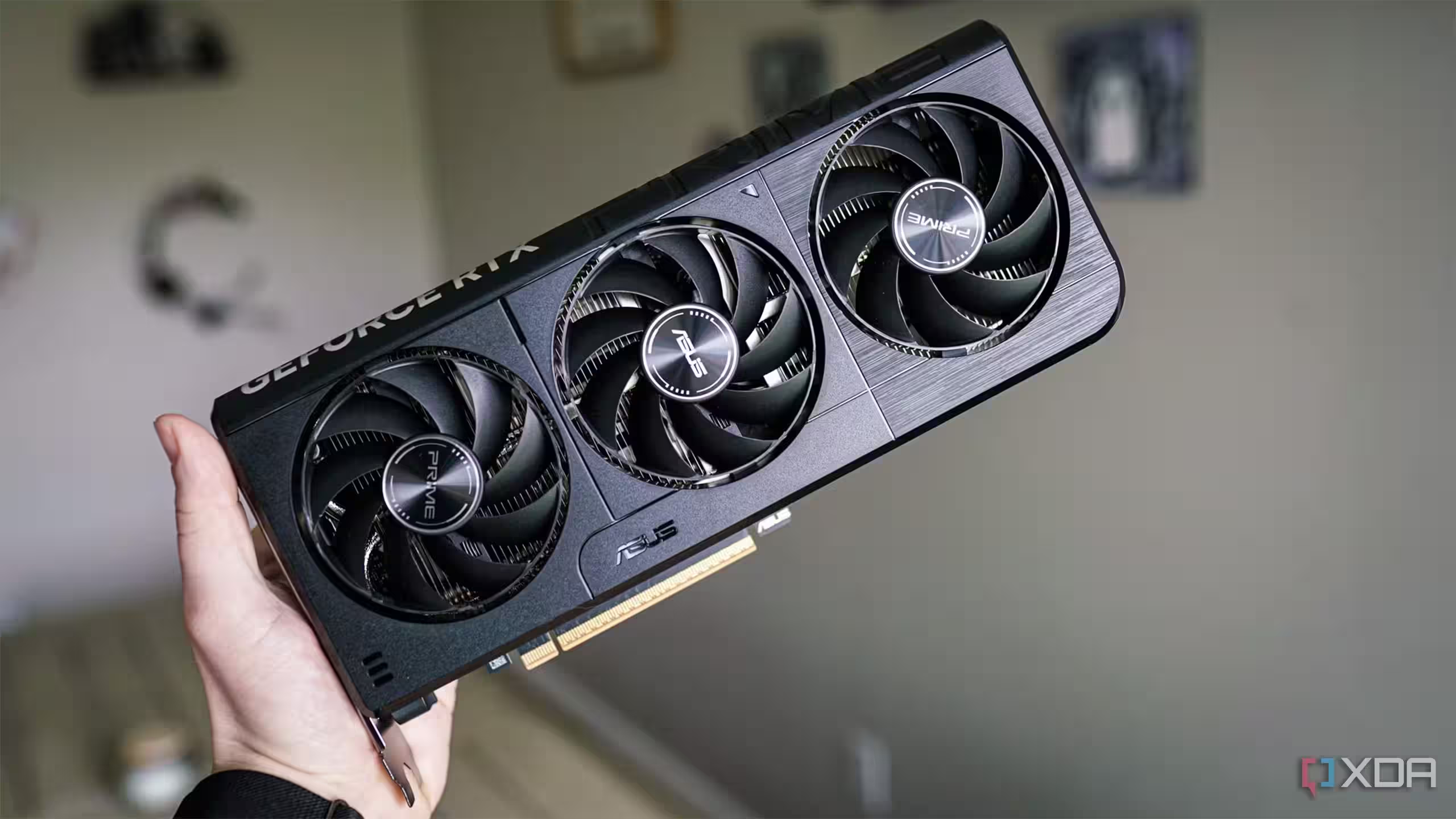
Nvidia’s release notes and the driver download are available on its official site. The company is expected to continue refining Linux support, narrowing the gap with Windows drivers and making Nvidia hardware a more attractive option for developers, gamers, and professionals using Linux systems.