

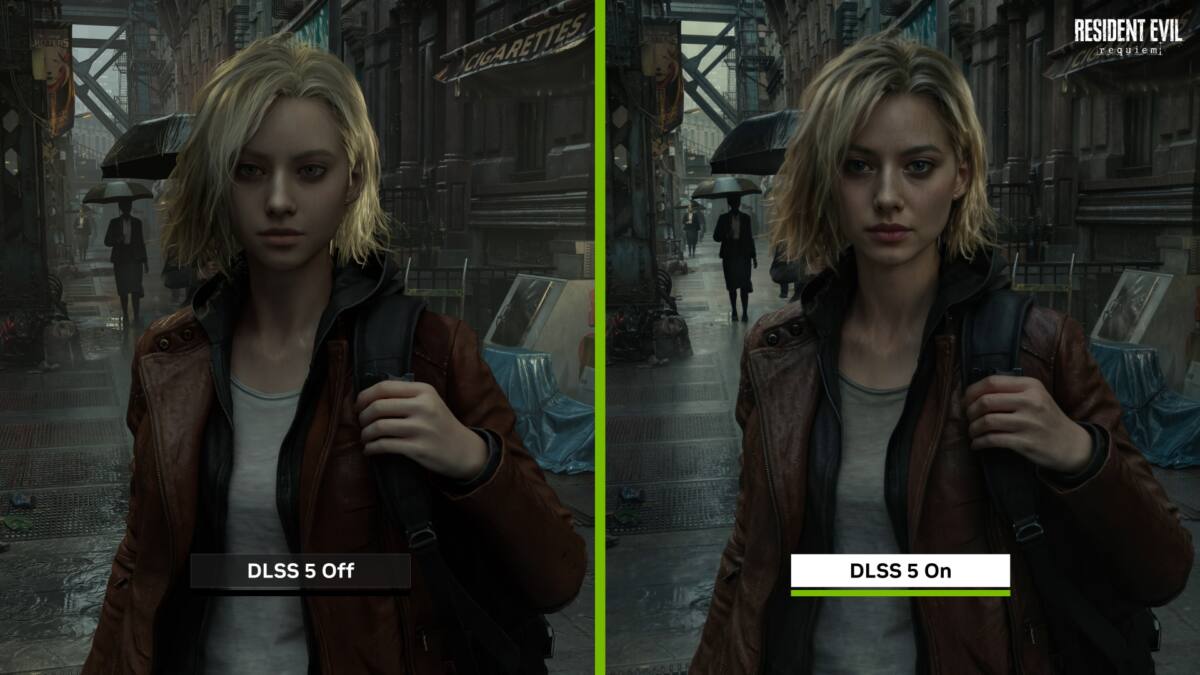
This fall, NVIDIA is launching DLSS 5, a breakthrough in real-time game graphics that pushes visual fidelity closer to Hollywood-level photorealism. Building on the success of its earlier AI-driven upscaling techniques, DLSS 5 uses a neural rendering model to infuse game pixels with advanced lighting and material effects that respond dynamically to the game’s 3D environment. This upgrade promises to redefine what’s possible in interactive visuals by blending AI-generated enhancements with precise artistic control.
What is NVIDIA DLSS 5 and how does it improve gaming graphics?
Since introducing programmable shaders in 2001, NVIDIA has steadily increased GPU capabilities, from CUDA and real-time ray tracing to path tracing on the recent RTX 5090. Yet, the massive rendering time used in cinematic visual effects remains impossible to replicate within the tight 16ms frame times of real-time gaming. DLSS arrived in 2018 to solve this gap by AI-enhanced upscaling and frame generation, now standard in over 750 titles. DLSS 4.5 took a leap by generating most pixels through AI, and DLSS 5 shifts gears to focus on delivering photorealistic lighting and materials rather than just boosting performance.
How DLSS 5 uses AI for deterministic photorealistic rendering
Unlike offline AI image generation prone to randomness and lack of control, DLSS 5 operates deterministically using in-game data like color, motion vectors, and scene semantics. The neural model understands complex elements such as hair, fabric, translucent skin, and lighting conditions to generate consistent, frame-to-frame images at up to 4K resolution. Artists retain detailed control over the visual output through parameters for intensity, color grading, and masking, ensuring the game’s original style shines through while pushing realism further.
Game developers supporting DLSS 5 technology
DLSS 5 integrates with NVIDIA’s existing tools such as Streamline and Reflex. Support from leading developers like Bethesda, CAPCOM, Ubisoft, and Warner Bros. signals broad adoption. Bethesda’s Todd Howard highlighted how DLSS 5 revitalizes the visuals in Starfield, while CAPCOM’s Jun Takeuchi emphasized its role in enhancing cinematic immersion in Resident Evil. Other titles set to benefit include Assassin’s Creed Shadows, Hogwarts Legacy, and The Elder Scrolls IV: Oblivion Remastered, among others.
Impact of DLSS 5 on real-time gaming visuals and performance
NVIDIA’s DLSS 5 is a bold step toward narrowing the divide between pre-rendered cinematic effects and real-time game graphics. By combining handcrafted artistry with generative AI, it offers a new toolkit for developers to elevate gaming worlds beyond what brute computational power alone could achieve. The arrival of DLSS 5 this fall may well mark a new era where AI not only boosts performance but fundamentally transforms how games look.