

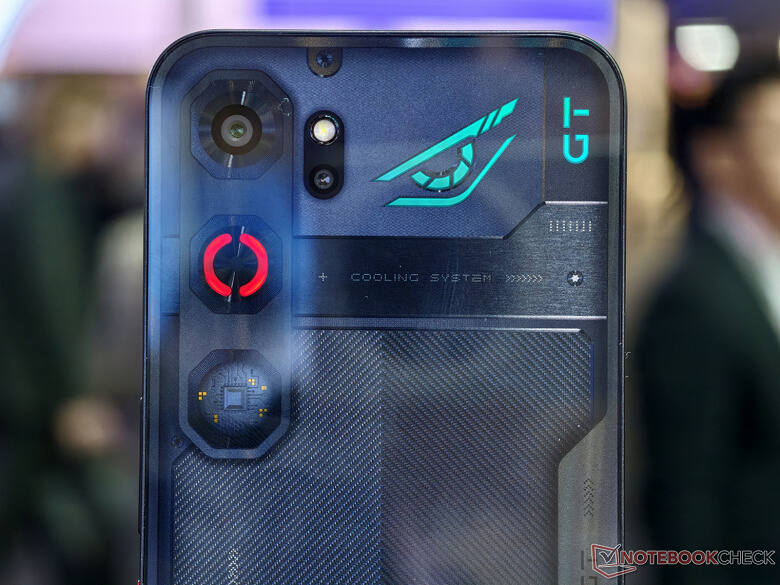
Nubia has unveiled the Neo 5 GT, a gaming-focused smartphone targeting budget-conscious players who demand performance without breaking the bank. Launched at MWC Barcelona 2026, this 400-euro device combines a large 6.8-inch AMOLED screen running at 144 Hz with an unusual focus on active cooling, aiming to deliver sustained gameplay without throttling.
What sets the Neo 5 GT apart from many rivals in the budget gaming phone segment is its built-in active cooling fan, paired with an extensive heat dissipation system spanning nearly 30,000 square millimeters. This design choice tackles the common challenge of overheating in prolonged gaming sessions, which often forces midrange phones to reduce performance.
Under the hood, the smartphone runs on a 4nm MediaTek D7400 chipset, paired with LPDDR5 memory and Nubia’s NeoTurbo Engine, which focuses on delivering a steady frame rate for smoother gaming experiences. Controls are enhanced with Neo Triggers 5.0 physical buttons and Magic Touch 3.0 technology, promising quick response times and precise interaction.
The display is one of the highlights: a 6.8-inch AMOLED panel with 1.5K resolution, boasting up to 4500 nits of brightness and a 144 Hz refresh rate to keep visuals fluid and vibrant. Battery life also looks strong, with a 6210 mAh cell capable of fast charging at 80 watts. A special ”Extreme Mode” can push the phone to deliver around 23 minutes of gaming time even when the battery sits at 5%, or extend standby time up to 29 hours under the same conditions.
Additionally, the Neo 5 GT incorporates Bypass Charging, allowing gamers to charge the phone directly during play without stressing the battery, potentially prolonging battery health over time-a feature usually reserved for higher-end devices.
A budget phone that challenges gaming norms
The Neo 5 GT’s combination of active cooling and physical gaming triggers at a €400 price point is relatively rare, as manufacturers usually reserve fans and gaming-grade tactile controls for pricier models. Nubia is pushing aggressively to capture budget-conscious gamers who want all-day usability and steady performance for titles that stress the CPU and GPU.
This approach mirrors how some PC gaming setups rely on fans and coolers to maintain peak performance, a tactic not yet widespread in smartphones outside niche or premium offerings. Given the expanding popularity of mobile esports and streaming, Nubia’s device targets users frustrated by thermal throttling on cheaper phones.
Competitors like Xiaomi’s Black Shark and RedMagic models also employ active cooling but typically cost significantly more. Nubia’s bet is that younger gamers juggling limited budgets won’t compromise on performance or controls and will appreciate extended battery life paired with rapid charging to minimize downtime.
The inclusion of Magic Touch 3.0 and Neo Triggers 5.0 suggests Nubia is still dabbling in the hardware-software interplay that gamers value but often overlook outside flagship territory. It remains to be seen how this hardware fares against rivals’ haptics and software enhancements.
While the MediaTek D7400 platform isn’t the most bleeding-edge chipset, Nubia seems confident its thermal management and software optimizations will give it an edge in stable frame rates-often more desirable than peak speed fluctuating with temperature.
In summary, Nubia’s Neo 5 GT is a bold attempt to democratize gaming-centric phone features like active cooling and physical triggers. At €400, it could appeal to gamers tired of sacrificing performance or battery on budget devices, provided Nubia’s system holds up during extended gameplay.
The big question: will Nubia’s unconventional fan setup convince gamers accustomed to fanless phones, and can it maintain quiet operation? As the gaming smartphone market heats up, this model may set fresh expectations for affordable devices.