

Smartphone buyers used to trade off flashy design for lower prices. Nothing is testing that bargain equation – its leaked Phone (4a) and Phone (4a) Pro details show a brand that once sold on transparency and simple value nudging noticeably toward premium specs and premium price points.
The company has confirmed a March 5, 2026 launch at 11:30 AM French time, where it will unveil the Phone (4a), Phone (4a) Pro, and the Nothing Headphone (a). Leaks circulating ahead of the event lay out core hardware, storage configurations, color choices, and expected European pricing – and they point to a clear strategy: pack the midrange category with features that push cost upward.
What the leaks say
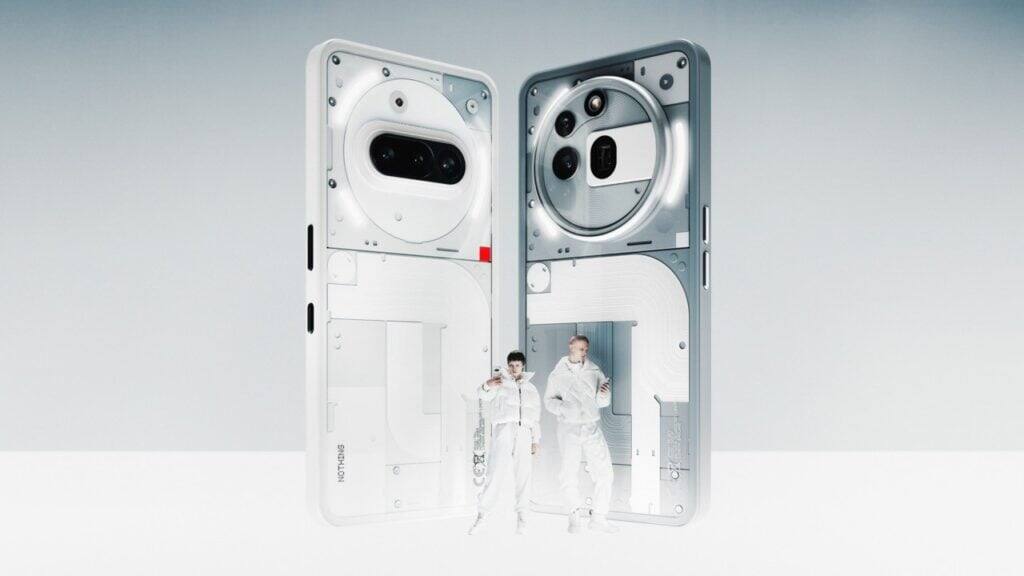
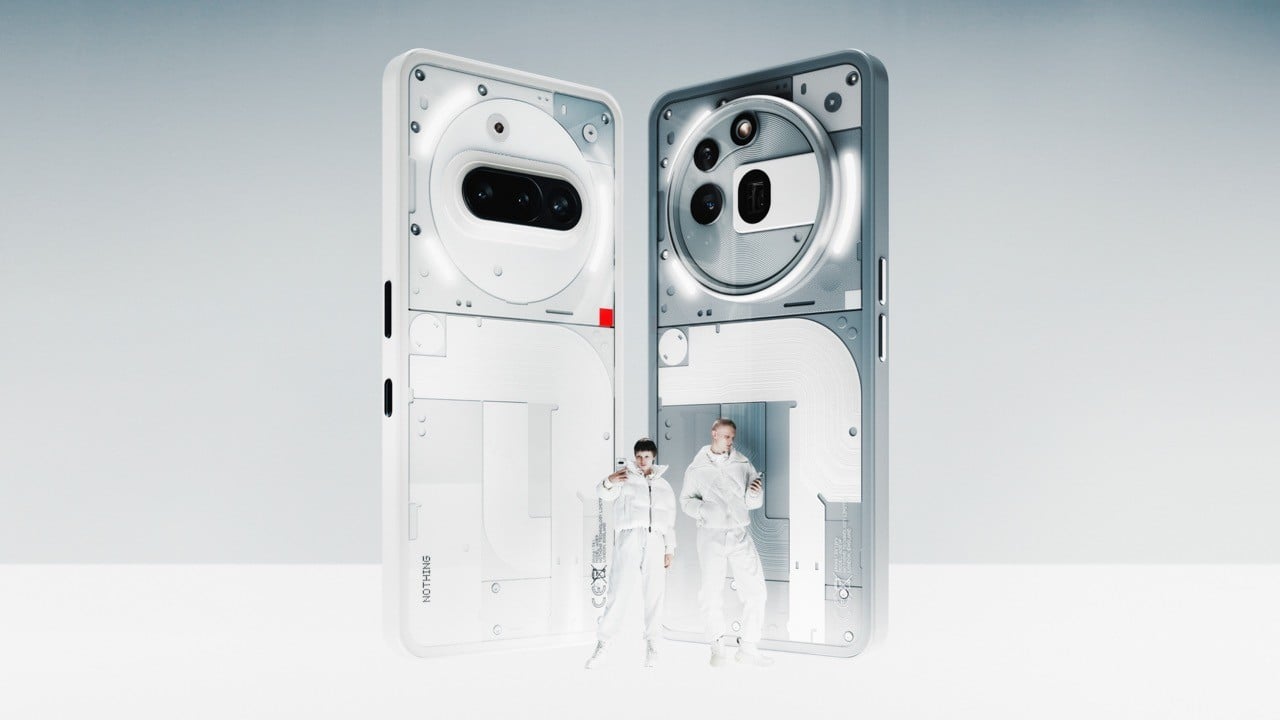
The Pro looks to be the bigger step up. It’s reportedly fitted with a 50MP Sony main camera that has optical image stabilization and zoom capabilities up to 140x, a unibody aluminum frame designed to improve heat dissipation, and a 6.83-inch 1.5K AMOLED display with a 144Hz refresh rate. There’s also talk of an expanded Glyph Matrix lighting system to extend Nothing’s signature LED notification design.
The standard Phone (4a) is expected to iterate on the series’ aesthetic while upgrading core hardware: a triple 50MP rear camera supporting a 0.6x ultra‑wide view and zoom up to 70x, a 32MP front camera, and the transparent design with a Glyph Bar made up of 63 mini‑LEDs. Its display is said to be a 6.78-inch 1.5K AMOLED panel with adaptive refresh between 30Hz and 120Hz, and the phone is expected to support 50W fast charging. A recent listing also suggests the Phone (4a) will use the Snapdragon 7s Gen 4 processor.
Storage and color options reportedly differ by model. The Phone (4a) may ship only with 256GB paired with either 8GB or 12GB of RAM; Black and White are expected across both variants, while Pink and Blue may be limited to the 12GB model. The Phone (4a) Pro is said to come in 8GB/128GB and 12GB/256GB versions, with Black and Silver available for both and Pink restricted to the higher configuration.
Pricing leaks suggest a clear upward move versus past entries. The Phone (4a) 8GB/256GB may start at €409 in France, Belgium, and Italy, and €389 in Germany and Spain; the 12GB version could cost €449 and €429. The Phone (4a) Pro 8GB/128GB is expected at €499 and €479, while the 12GB/256GB model may reach €569 and €549. Availability is said to begin March 12, 2026 for the standard model, with the Pro following around March 26.
Why it matters
Those numbers matter because they reflect a wider, ongoing shift: the midrange is no longer a bargain basement for compromises. Features once reserved for flagship phones – higher refresh panels, OIS-equipped 50MP sensors, faster charging, aluminum frames – have migrated down the price ladder. Brands that once competed primarily on price are now competing on who can stuff the most headline specs into a mid-tier chassis.
For Nothing, the risk is explicit. The brand built its following on design flair and perceived value. Pushing up against €500-€570 for a Pro variant moves it squarely into territory populated by more established competitors with deeper channel reach and service networks. That’s a different customer conversation than ”surprisingly affordable and stylish.”
Three practical takeaways
1) Marketing specs won’t always translate to everyday improvements. Claims like ”zoom up to 140x” or ”up to 70x” are almost certainly hybrid or digital zoom figures; high multiplication factors are useful for headlines, less so for crisp, usable telephoto shots without optical elements or periscope hardware.
2) The 1.5K AMOLED + high refresh combo is now table stakes for attention. If Nothing delivers a 144Hz 1.5K panel on the Pro and a 120Hz adaptive 1.5K panel on the standard model, the company will have matched a common midrange demand: fast, sharp displays that make the UI and games feel snappier.
3) Price sensitivity will be telling across Europe. The leak lists different starting prices for France/Belgium/Italy and Germany/Spain – a reminder that regional pricing strategies still shape demand. Customers will compare euro‑for‑euro with alternatives from brands that often undercut on price or offer stronger camera software and longer warranty/service footprints.
What Nothing gains and what it risks
Gains are straightforward: better hardware makes Nothing a more credible contender for buyers who want flag‑adjacent specs without a full flagship premium. An aluminum unibody and OIS-backed sensor read as maturity – the brand isn’t just a niche design exercise anymore.
Risks are less glamorous. Stepping up specs means thinner margins unless retail prices climb. That’s fine if customers accept the premium, but if buyers perceive too little practical benefit relative to competitors’ offers, Nothing could dilute the very advantage – distinctive, design-led value – that attracted early adopters.
What to watch at the March event
Pay attention to three things when the phones debut: real-world camera samples (especially at long zoom ranges), battery figures and charging behavior compared with prior models, and post‑sales support commitments (warranty length, Android updates). Those details are where specs either become meaningful improvements or stay as marketing points.
Nothing’s March 5 reveal will tell us whether the company is evolving into a premium‑adjacent challenger or simply nudging prices while relying on design hype. Either path can work – but the customer base that prized Nothing for accessible design may find the calculus has shifted.