

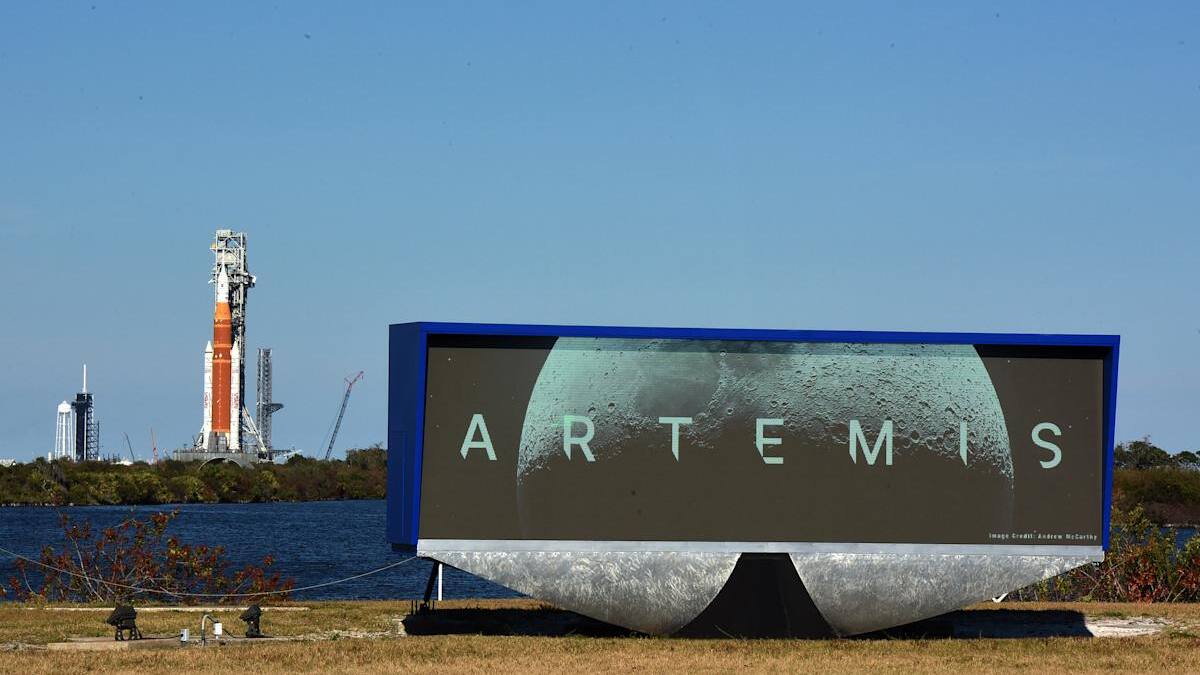
NASA is preparing for another attempt to launch its Artemis II mission, the agency’s first crewed lunar flight in more than five decades, with a targeted lift-off on April 1 at 6:24 PM ET. If that initial window doesn’t work out, a backup opportunity is set for April 2 at 7:22 PM, along with additional chances available between April 1 and April 6. The Artemis II mission will send four astronauts on a 10-day journey orbiting the Moon before returning to Earth, marking the Orion spacecraft’s debut in crewed flight.
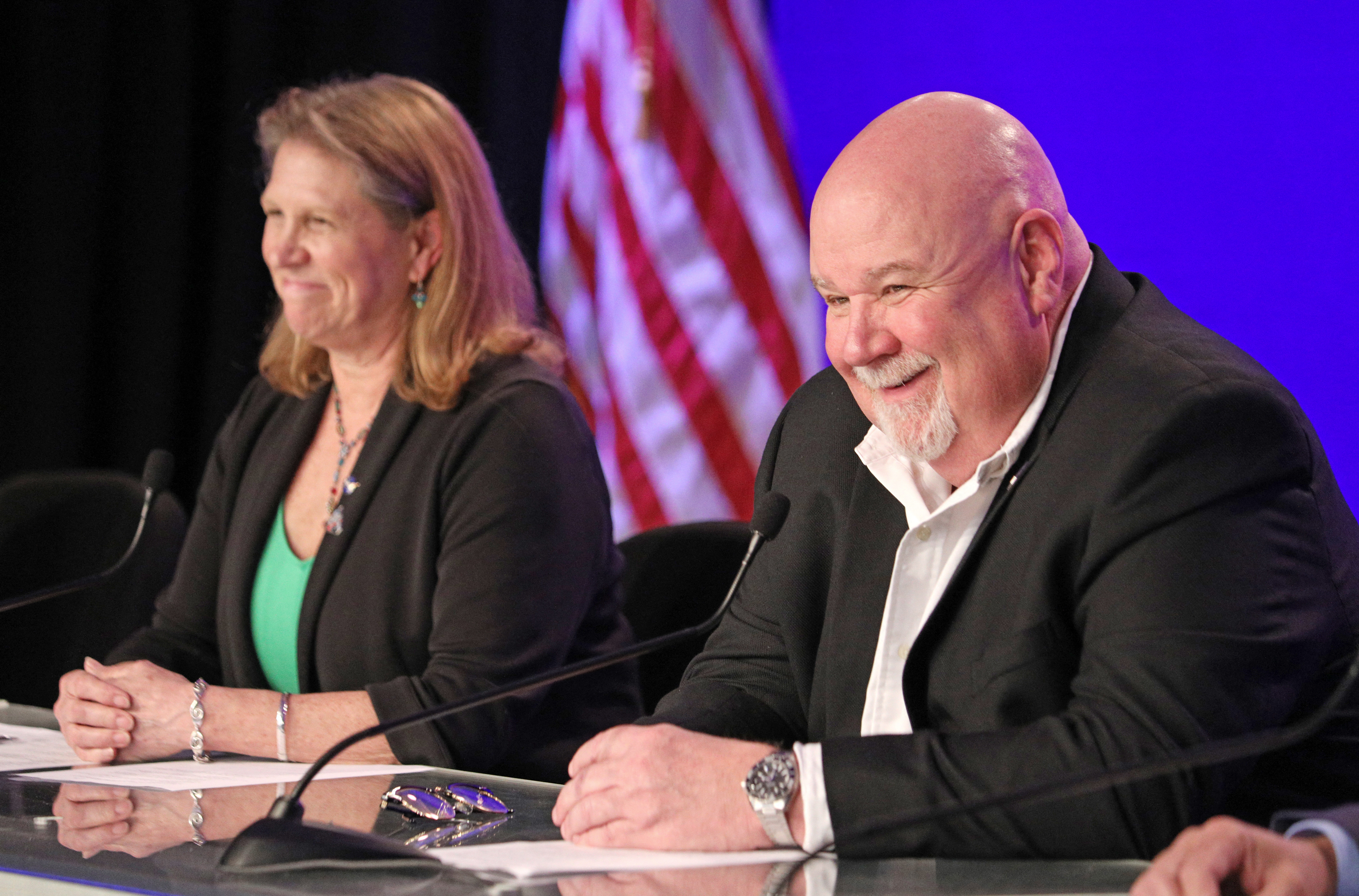
NASA plans to move the Artemis II stack back to the launch pad on March 19 to prepare for these launch attempts, although agency officials caution that final preparations could reveal more issues requiring attention. ”There are still things that need to be done within the Vehicle Assembly Building and out at the pad,” noted Lori Glaze, NASA’s acting associate administrator. She highlighted that within the six-day launch window, about four separate launch opportunities are expected, but not every day will have a rollout.
Artemis II has already faced delays following a rocky wet dress rehearsal and a subsequent discovery of a helium flow blockage in the rocket’s upper stage. These technical hurdles pushed the initially scheduled February launch to March, then postponed it further. The repeated setbacks come as NASA’s Artemis program undergoes a broader reorganization overseen by Administrator Jared Isaacman, which includes deferring the planned crewed Moon landing mission until 2028.
This cautious approach reflects the inherent complexities of launching a crewed mission beyond Earth orbit for the first time since the Apollo era. The success of Artemis II will be pivotal not only for proving Orion’s capabilities but also for setting the stage for eventual lunar surface missions. With the current timeline, the April launch attempt provides a crucial but tight window to clear remaining issues and advance NASA’s deep space ambitions.