

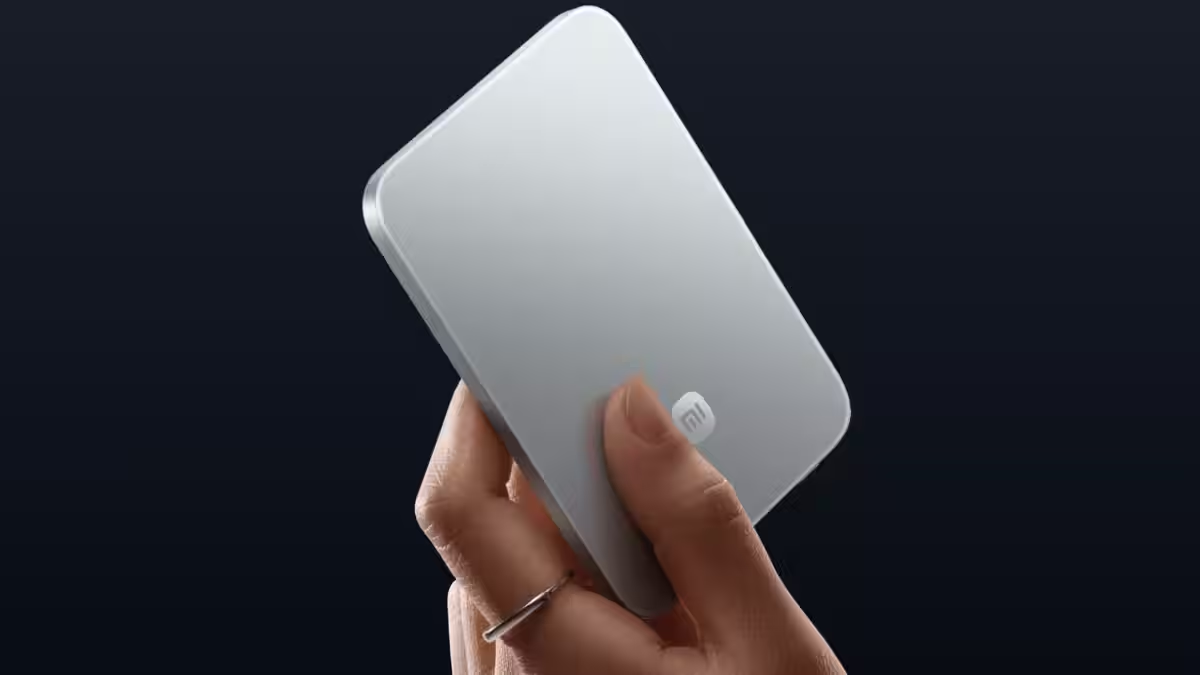
Carrying a spare battery shouldn’t feel like bringing a brick. Yet most travel power banks add measurable bulk. Xiaomi’s answer is the UltraThin Magnetic Power Bank 5000 – a device that prioritizes pocketability and magnet-friendly convenience over raw charging endurance.
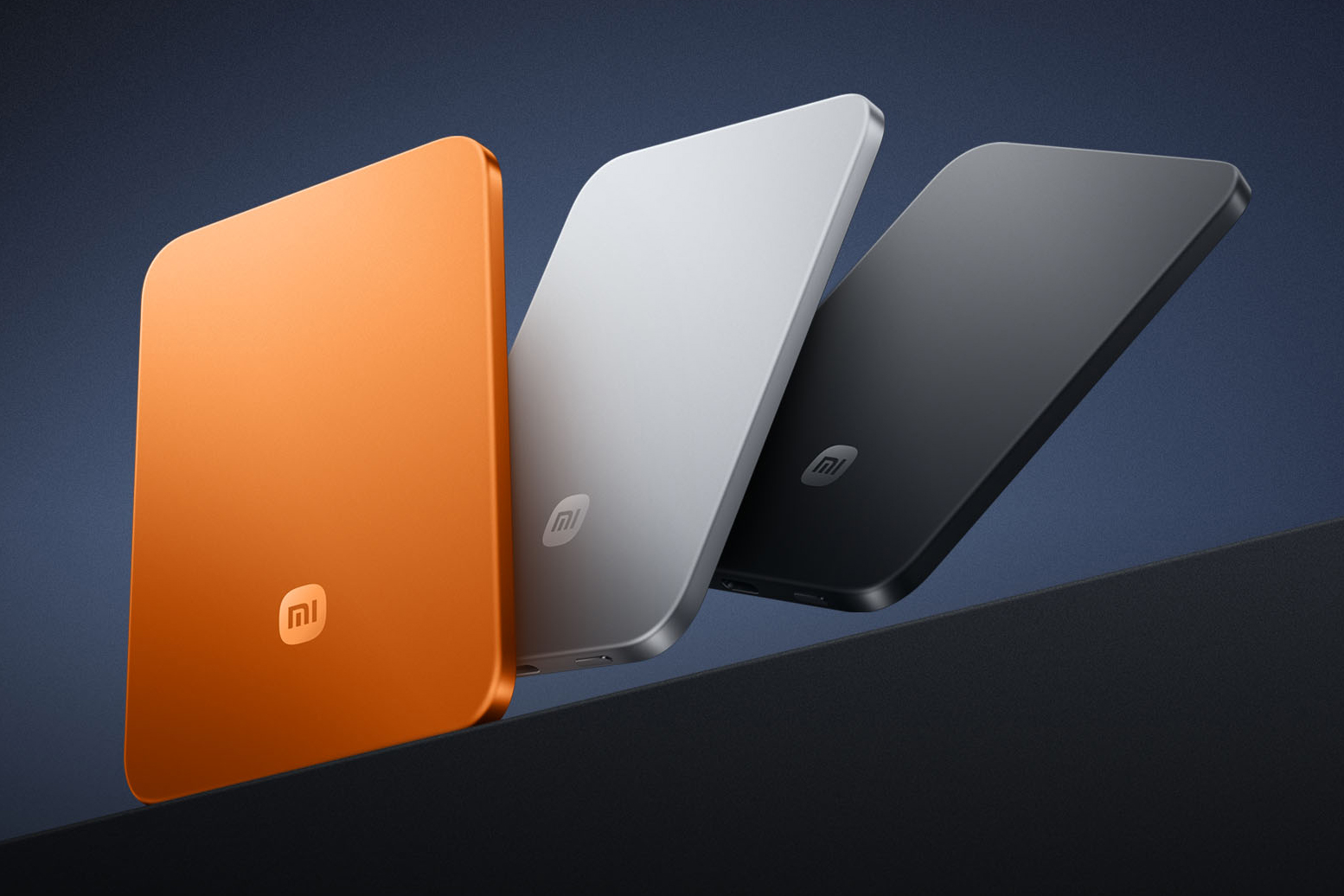
What it is – and the trade-offs
Xiaomi’s new magnetic pack carries a 5,000mAh battery (with a rated capacity of 3,000mAh) and measures just 6mm thick. That makes it thinner than the 7.9mm iPhone 17 and even slimmer than Apple’s 7.6mm MagSafe battery for the iPhone Air. It adds 98 grams of weight when attached to your phone.
The thinness comes with limits. Wireless charging is capped at 15W, so it won’t match the speed of 25W, Qi2.2-compatible chargers. Xiaomi does include a wired pass-through: you can simultaneously charge a second device through a USB-C port at up to 22.5W. Global pricing hasn’t been announced, but an Australian listing shows AU$129 discounted to AU$69.50, which is about US$91/US$49 when converted to US currency.
Why this matters
There are two trends colliding here. First, phones are thinner and more fragile, so users resent anything that makes their daily carry noticeably bulkier. Second, the magnetic accessory market – MagSafe and its imitators – rewards slim, snap-on products that are easy to leave attached during use. Xiaomi’s product leans fully into the latter: it’s meant to be a carry-everyday accessory, not a travel must-have.
That choice will please commuters and minimalists who want a bit of extra juice without a thicker case or a chunky battery. It will frustrate travelers who expect a full top-off: 5,000mAh nominal (and 3,000mAh rated) is often insufficient to fully recharge modern smartphones more than once, especially after conversion losses between the battery and phone.
How competitors stack up
Apple’s MagSafe ecosystem made snap-on batteries mainstream, and third-party brands like Anker, Belkin, and Samsung have offered various magnetic power packs that trade thickness for capacity in different proportions. The newest wireless charging standard, Qi2.2, supports faster wireless charging (up to 25W), but Xiaomi’s pack limits wireless output to 15W – a reminder that thinness often forces compromises in coil size and thermal headroom.
The engineering reality
Designers choose between battery chemistry, coil size, cooling, and casing thickness. Squeeze one element down to 6mm and others must give: either capacity, charging speed, or both. Xiaomi appears to have prioritized a slim profile and a usable 15W wireless rate, while compensating with a 22.5W USB-C output for faster wired charging of a second device.
My take
This is a sensible niche play. Not every accessory needs to be a travel charger. For day-to-day top-ups – during commutes, errands, or between meetings – a magnetic pack that barely changes your phone’s silhouette has clear appeal. But Xiaomi shouldn’t pretend it solves the needs of power users who demand multiple full charges or the fastest wireless speeds.
Pricing will be decisive. If the AU$129 list (discounted to AU$69.50) translates to an aggressive global price, Xiaomi could undercut pricier MagSafe-compatible options and win users who prioritize slimness. If it lands closer to the list price, buyers may favor higher-capacity alternatives.
What’s next
Expect more ultra-thin magnetic batteries from other brands if this finds traction. The market will likely bifurcate: truly slim, low-capacity daily packs versus thicker, higher-capacity magnetic batteries for travel. Xiaomi’s design makes the choice explicit: convenience and form factor first; full charging stamina second.
Xiaomi teased the product for Mobile World Congress 2026 in Barcelona, but has already published details on its Australian site. Whether it arrives worldwide at a competitive price is the next question – and the one that will decide if thinness wins this round.