

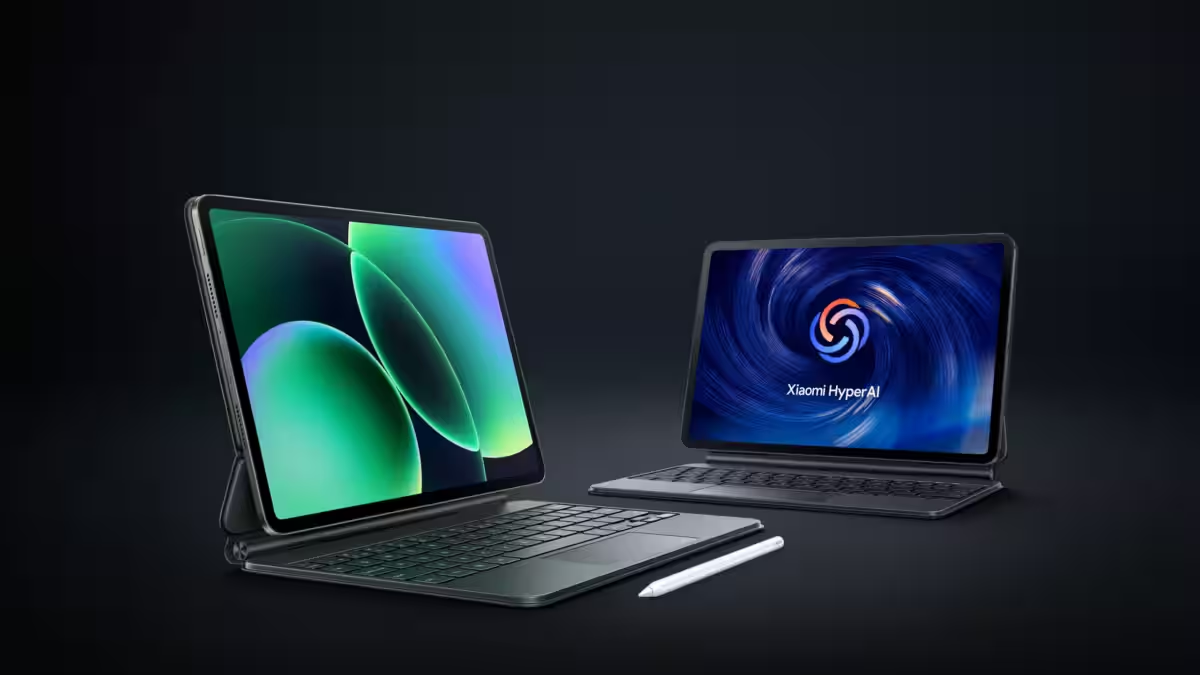
Mobile World Congress 2026 kicked off with a parade of ambitious devices that walk the fine line between innovation and refinement. This year’s crop spotlights a renewed focus on camera technology and ultra-thin form factors, led by Xiaomi’s ongoing partnership with Leica and Honor’s quest for the slimmest Android tablet.
Xiaomi’s 17 Ultra re-emerged on the global stage after its December debut in China, showcasing a camera setup that photographers will find hard to ignore-a 1-inch, 50-megapixel main sensor paired with a staggering 200MP telephoto lens, plus a 50MP ultrawide. The mechanical zoom ring around the camera is a tactile nod to traditional photography, blurring the line between smartphone convenience and professional control. Its dazzling 6.9-inch OLED screen with a 120 Hz refresh rate and a blazing 3,500 nits brightness further underlines Xiaomi’s attempt to deliver flagship-level multimedia experiences.
Following closely is Leica’s Leitzphone, essentially a sibling to the 17 Ultra but dressed up in Leica’s signature branding and featuring Leica’s tailored camera interface, which strips away complexity for those who want focus without distraction. It echoes the physical zoom ring and sensor specs but demands a much steeper price-hovering around €1,999 (about $2,360). This premium positioning raises questions: Is Leica’s brand cachet enough to justify the cost premium on hardware that, spec-for-spec, overlaps with Xiaomi’s own offering?
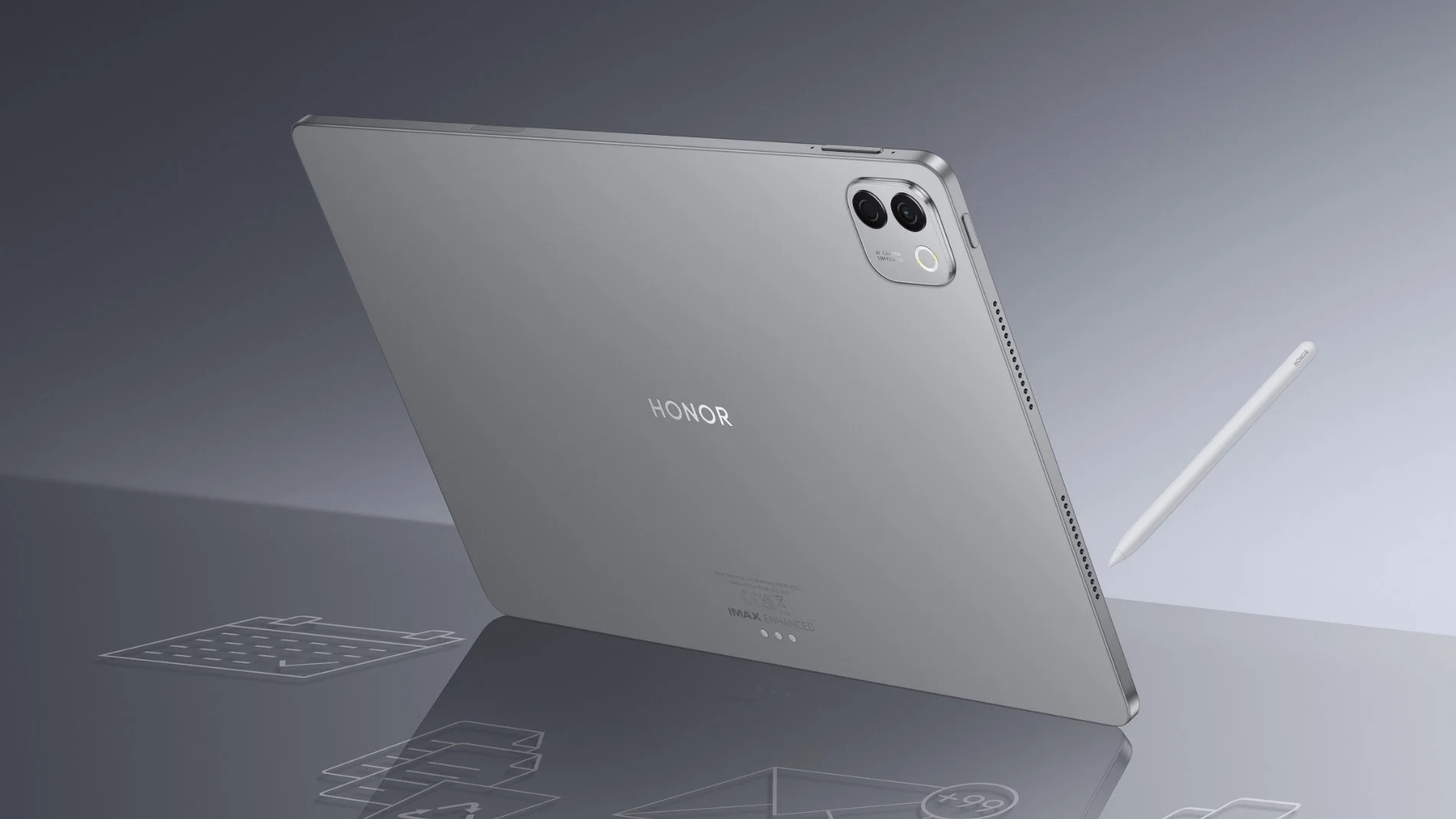
Honor took a different path with its MagicPad 4, boasting an audacious claim as the world’s thinnest Android tablet at just 4.8mm, excluding the camera bump. The 12.3-inch OLED display with a 165Hz refresh rate and spatial audio from eight speakers aims to deliver a premium multimedia experience in an extraordinarily lightweight chassis-just 450 grams. Powered by Qualcomm’s Snapdragon 8 Gen 5 and armed with up to 16GB of RAM, it sets a new bar for portability. Yet, its smaller 10,100mAh battery compared to Xiaomi’s offerings might leave power users wanting more endurance.
MWC 2026 isn’t just about shiny gadgets, though. Tecno’s modular smartphone concept caught attention by pushing the envelope on thickness, presenting a base phone as slim as 4.9mm, expandable with magnetically attachable modules ranging from camera lenses to gaming controllers and even power banks. While modular phones have flirted with the market before, Tecno’s use of magnetic interconnections signals a new attempt to blend slimness with adaptability.
What unites many of this year’s announcements is a tension between form and function. Xiaomi’s Leica collaboration is a case in point: it’s a serious camera phone dressed up with premium branding and a hefty price tag, but whether it actually shifts the needle against established heavyweights like Samsung or Apple remains to be seen. Honor’s race to claim the thinnest tablet title is an impressive technical feat, though the trade-off might be battery life-a persistent challenge for ultra-thin devices.
If anything, MWC 2026 highlights that while incremental improvements in specs and design keep pushing the envelope, truly disruptive advancements remain elusive. Consumers can expect polished devices that refine familiar strengths-powerful cameras, brilliant displays, and portability-but must still compromise somewhere, whether on price, battery, or versatility. The upcoming weeks will reveal whether these gadgets find their audience or end up as novelties in a market hungry for practical innovation.