

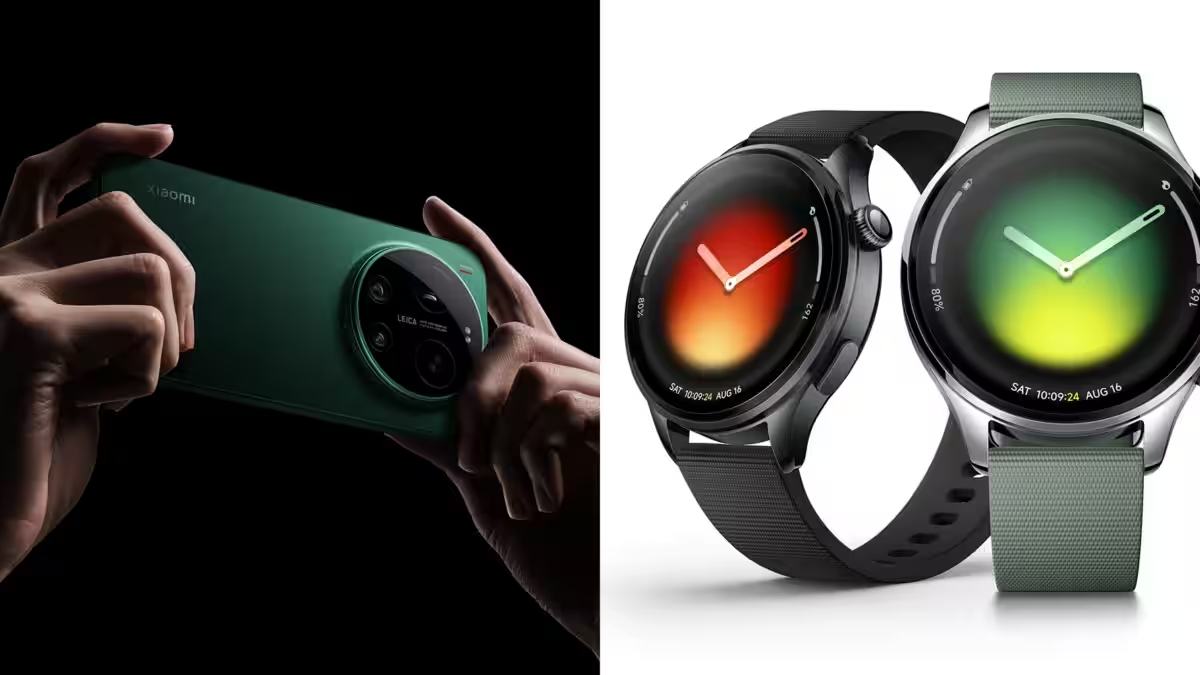
Xiaomi is stepping onto the global stage with a fresh batch of flagship smartphones, a new Wear OS smartwatch, and its first foray into tracker devices compatible with Android’s Find Hub. Launching at MWC 2026, the Xiaomi 17 series and accompanying gadgets mark the Chinese giant’s increasingly aggressive push beyond its home turf.
After debuting in China last year as some of the earliest Snapdragon 8 Elite Gen 5 devices, the Xiaomi 17 and 17 Ultra are now available across much of Europe, priced from €999 and €1,499, respectively. Both models offer bleeding-edge specs, but it’s the Ultra variant that truly aims to challenge the premium phone crowd.
Under the hood, the Xiaomi 17 boasts a 6.3-inch LTPO OLED screen, up to 16GB RAM, and a 6,330 mAh battery, paired with Qualcomm’s latest chipset. However, Xiaomi’s real flex is with the 17 Ultra, which brings a 6.9-inch display, up to 1TB of storage, and a sizable 6,000 mAh battery supporting 90W fast charging.
Camera-wise, the Ultra model is designed to steal the spotlight. It introduces Xiaomi’s first 1” LOFIC main camera sensor leveraging new capacitor tech to boost HDR capabilities. Alongside this, there’s a 200MP Leica-branded telephoto camera offering a mechanical optical zoom range of 75-100mm and extending digitally up to an impressive 400mm (17.2x zoom). This setup also includes a 50MP ultrawide and a 50MP selfie shooter-clearly Xiaomi’s bid to compete with smartphone photography heavyweights.
But Xiaomi isn’t relying solely on phones this year. The Pad 8 tablet joins the lineup, packing an 11.2-inch display, Snapdragon 8 Elite chip, and a hefty 9,200 mAh battery into an ultra-slim 5.75mm frame for €449.99-positioning itself as a sleek, powerful option for budget-conscious users.
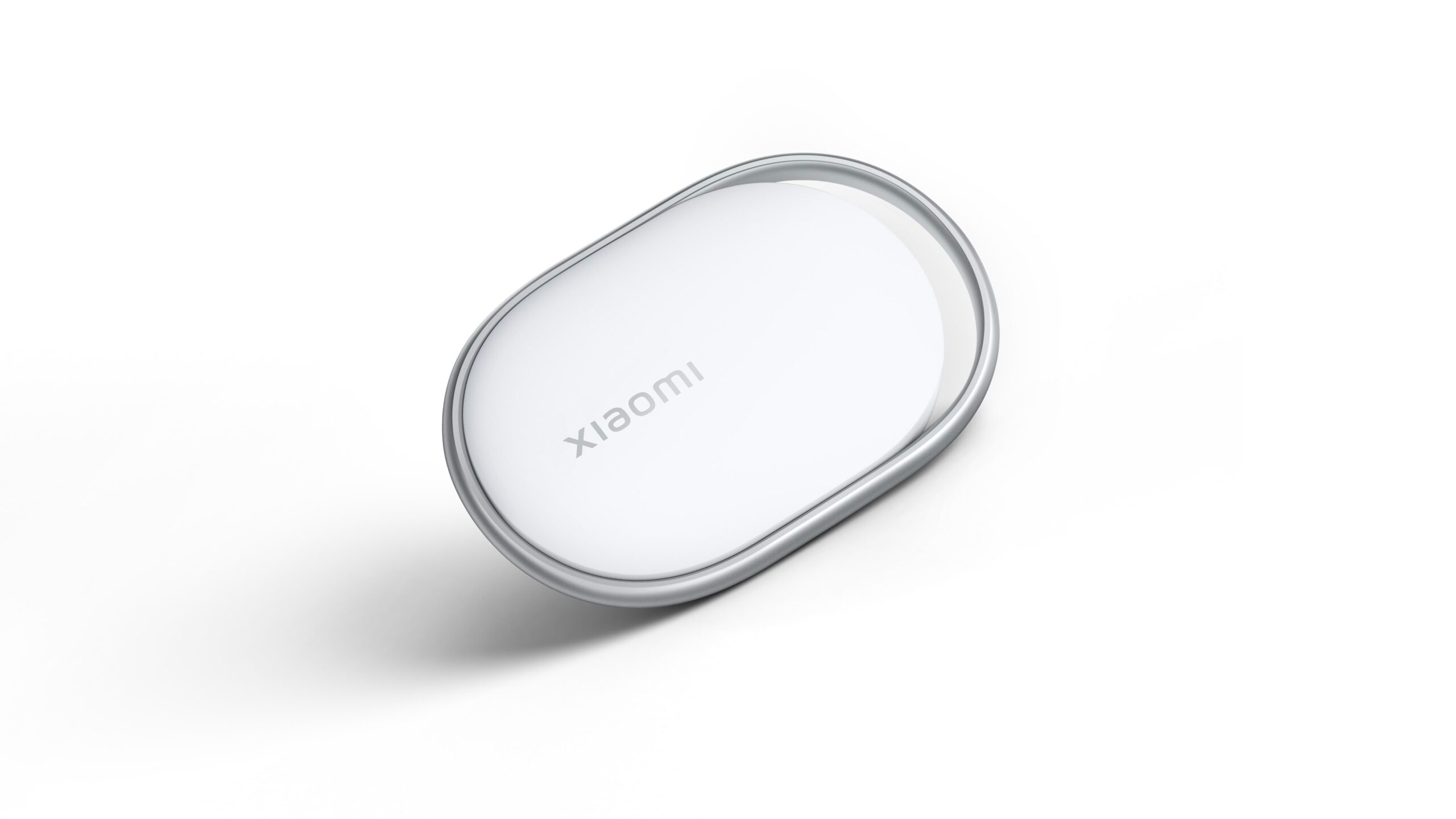
Meanwhile, the company ventures into the tracker market with the Xiaomi Tag, a €14.99 accessory designed to work seamlessly across Android Find Hub and Apple’s Find My network. This cross-platform compatibility reflects a broader industry trend toward multi-network tracking solutions, aiming to make device and item location easier regardless of your preferred ecosystem.
The hardware announcements conclude with the Xiaomi Watch 5, powered by the Snapdragon W5 Gen 1 chip and running Wear OS 6. This watch offers a notable 930 mAh silicon-carbon battery and introduces advanced wrist gesture controls. Functions such as dismissing calls, silencing alarms, and launching workouts can now be triggered via simple gestures-an attempt to deliver a more fluid, hands-free user experience.
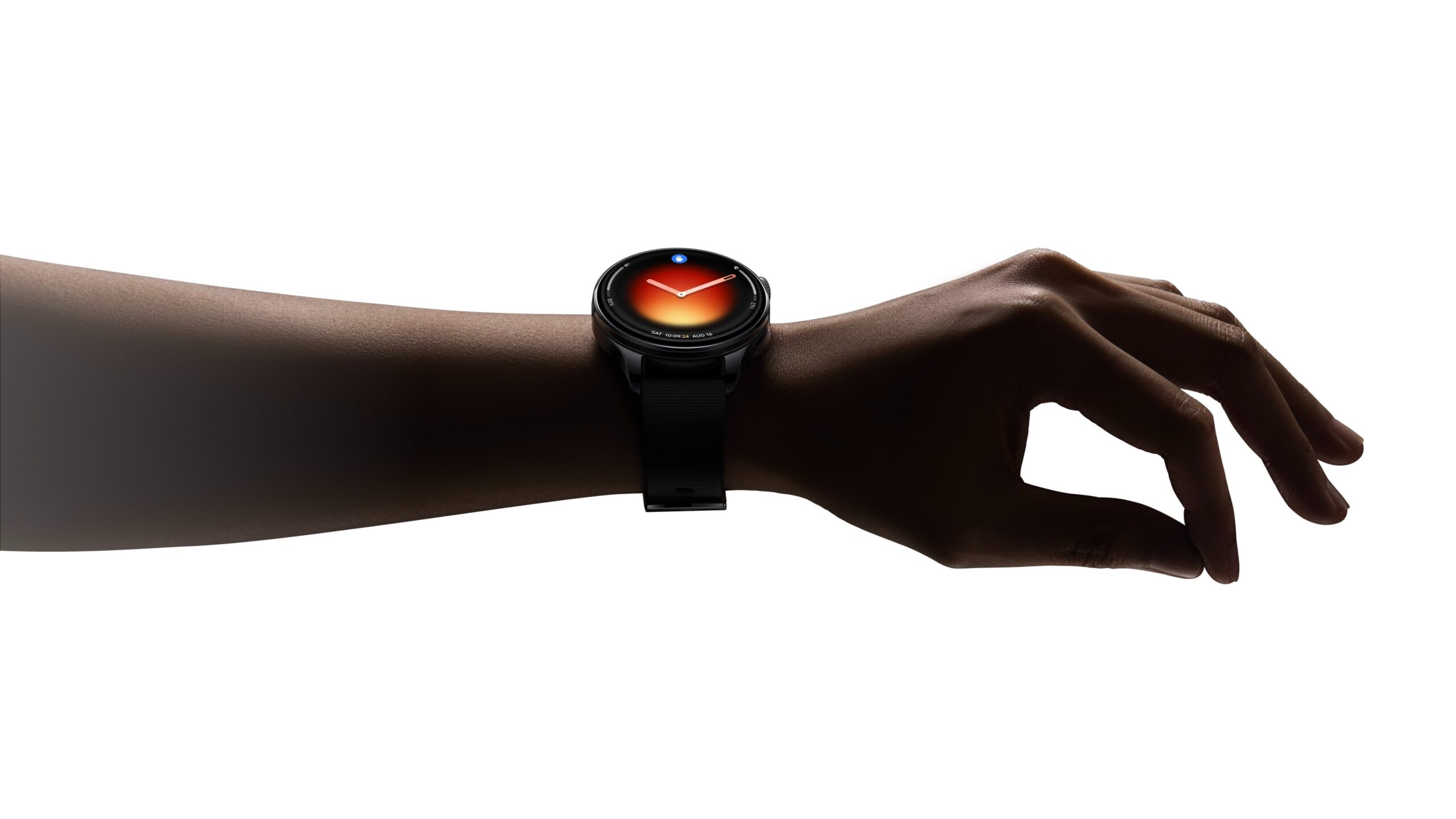
These gestures integrate with Google services like Google Gemini, Wallet, and YouTube Music, further bridging Xiaomi’s hardware with the Google ecosystem. Starting at €299.99, Xiaomi’s Wear OS offering sits competitively between budget and premium smartwatches.
Additional launches include the REDMI Buds 8 Pro earbuds, a slim 15W 5,000 mAh magnetic power bank, and a fresh lineup of electric scooters-showing Xiaomi’s intent to cover a broad spectrum of connected lifestyle products.
Xiaomi’s global launch at MWC signals its strategic positioning as a comprehensive tech provider, not just a smartphone maker. The camera technology on the 17 Ultra, especially, might spur competitors to up their own imaging game. However, Xiaomi is entering a saturated, fiercely competitive space where premium pricing must be justified by tangible innovation and ecosystem cohesion. The Wear OS smartwatch and cross-platform tracker are welcome moves, but the real test will be how well they integrate and captivate users outside China.
As Xiaomi continues to expand its footprint beyond budget devices, expect more gadget ecosystems that try bridging Android’s openness with Apple’s polish. For consumers, more choice is promising-if the complexity of multiple devices and networks can be smoothed out.