

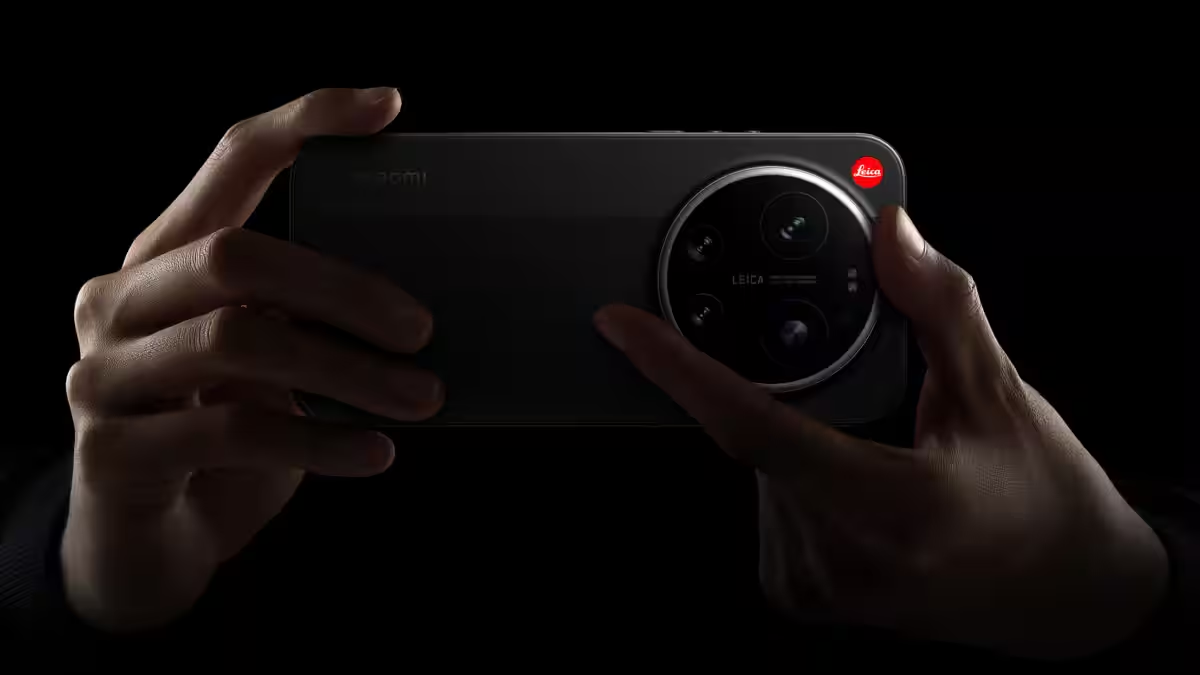
Smartphone upgrades have been boring for years. That’s why this week’s Mobile World Congress feels different: handset makers are deliberately turning up the weirdness, betting that novelty – even if half a gimmick – will buy headlines and a few extra buyers.
Why weirdness matters now
Apple is staging its own announcement blitz the same week MWC opens, and mainstream flagships from Samsung and Google have settled into predictable iterative cycles. When the usual playbook won’t win attention, companies do the one thing that still reliably makes people look – they try something odd.
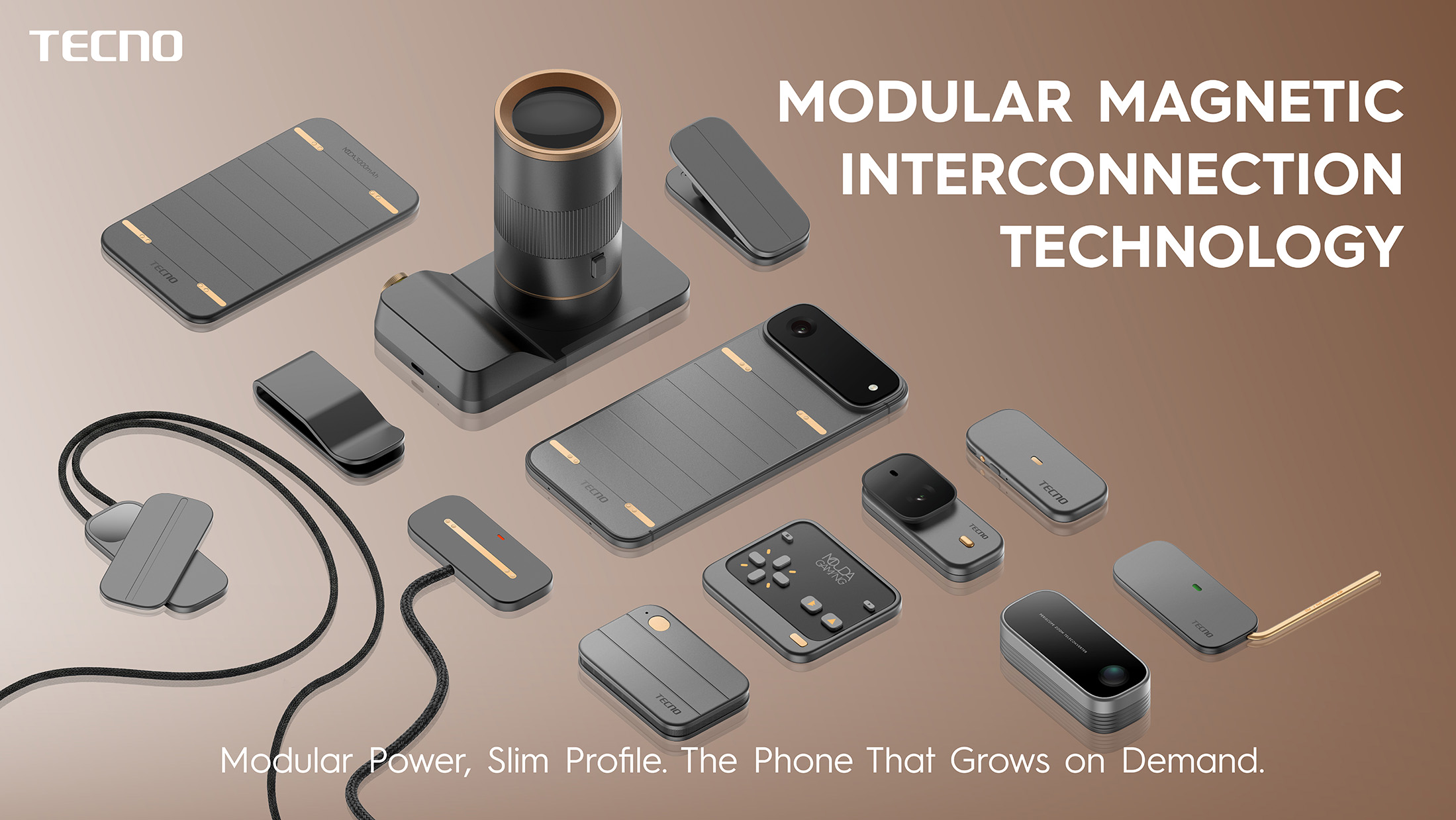
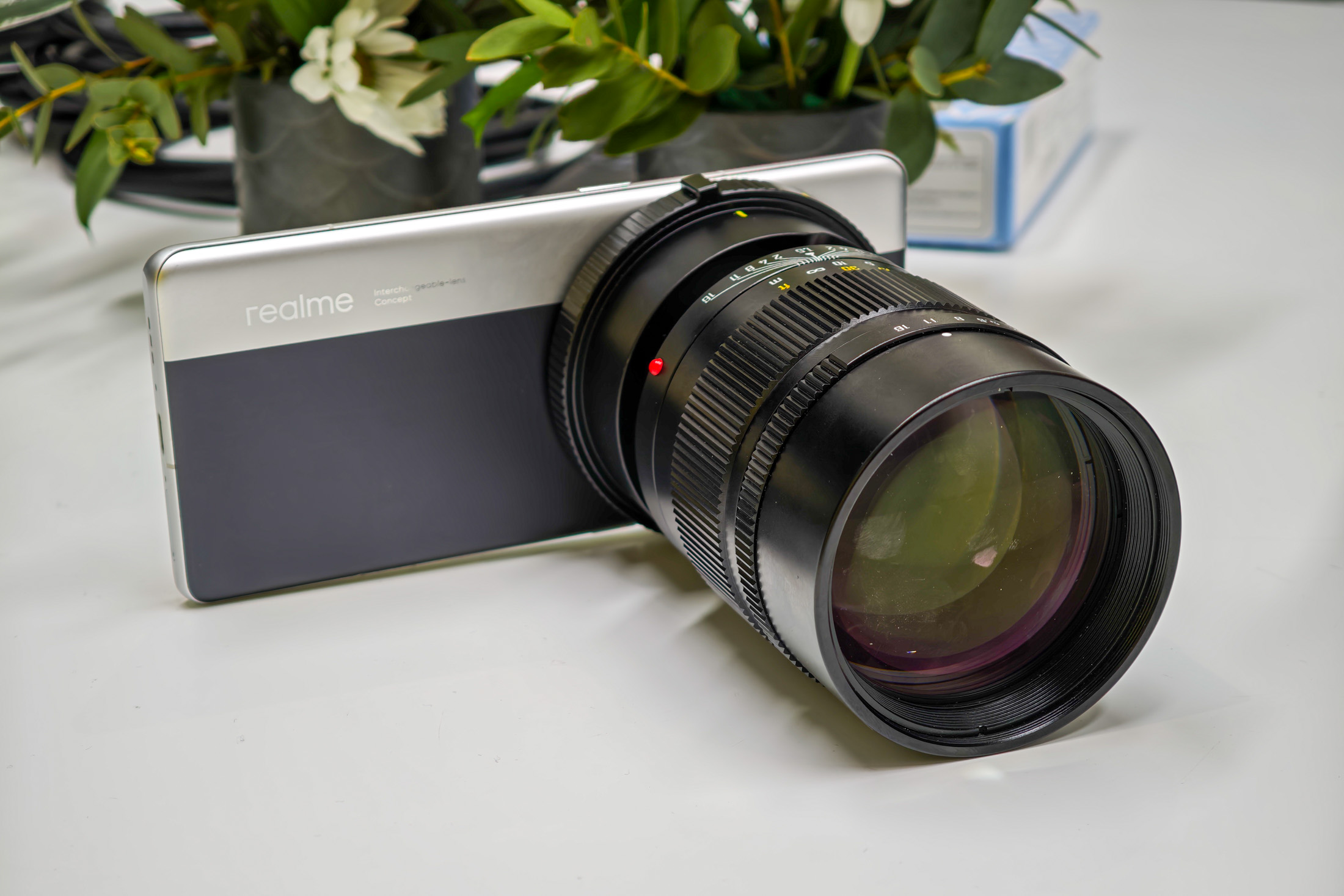
That’s the context for a crop of devices headed to Barcelona: Xiaomi’s Leica-tuned Leitzphone with a physical rotating zoom ring, Honor’s Robot Phone with a gimbal-style camera arm, Tecno’s modular magnetic concept with attachable lenses, Nothing teasing a Phone 4A family and over-ear cans, plus a batch of camera-first flagships from Vivo and others. Some of these will ship; some will never leave the show floor. All of them have the same job: cut through the noise.
What these experiments are trying to solve
There are three overlapping problems behind the theatrics. First, consumer upgrade cycles have stretched and true performance leaps are rare, so marketing needs new angles. Second, camera quality remains a standout feature consumers notice, so physical camera innovations still attract attention. Third, younger buyers and creators respond to personality and novelty in ways they don’t to spec sheets – a phone that looks or behaves differently is easier to screenshot and share.
That explains the return of ideas that once failed in previous eras: magnetic modules and attachable optics echo Moto Mods and the LG G5’s modular experiments, which flamed out when ecosystems and developer support didn’t materialize. The difference now is that optics and stabilization have matured enough that a physical camera gimmick can translate into real photographic capability, rather than just being a party trick.
Who wins and who loses
Winners: smaller and Chinese brands that need a distinctive voice. They can afford to experiment, target niche fans (photographers, action-sports users), and use showmanship to win media cycles. Press outlets win too – shows full of novelty are easier to cover and generate clicks.
Losers: consumers who buy early at premium prices and then find novelty becomes a support headache. Modular attachments and moving mechanical parts complicate durability, repairability, and long-term software support. Carrier supply chains and accessory makers can be caught off guard by devices that break category norms, which often means limited availability outside the vendor’s home market.
What will actually stick
Most of the outlandish hardware on display will be trimmed, repackaged, or quietly retired. Expect three likely outcomes:
• Incremental winners: refinements that improve imaging – better periscopes, smarter stabilization, more useful optical tricks – will migrate into mainstream models.
• Niche successes: rugged phones, battery monsters, and specialized camera phones will find small but loyal audiences and survive as sidelines to mainstream portfolios.
• Marketing-only stunts: some concepts exist purely to signal engineering prowess or brand personality. They may never be sold broadly, but they serve the immediate purpose of headlines and social-video fodder.
A short history lesson
MWC has long been a playground for such experiments. Recent years have produced modular lenses, color-changing casings, and even wearables that blurred categories. The difference now is that the field of phone photography has advanced enough that a novel physical approach can sometimes translate to genuinely different results – not just a clever demo.
Verdict and what to watch
Take the next few announcements with a skeptic’s eye. If a gimmick also promises clear, repeatable benefit – better low-light shots, steadier handheld 4K, or truly interchangeable optics – it’s worth paying attention to. If the pitch is mostly personality and flourish, enjoy the show, then wait for the feature to land in a practical, supported phone before you buy.
MWC 2026 will be loud and entertaining. That’s the point. The real test comes after the press releases stop: when phones with moving parts are dropped, serviced, and updated for a year or two. The winners won’t be the loudest booths in Barcelona – they’ll be the companies that turn spectacle into a small, reliable improvement people actually use every day.