

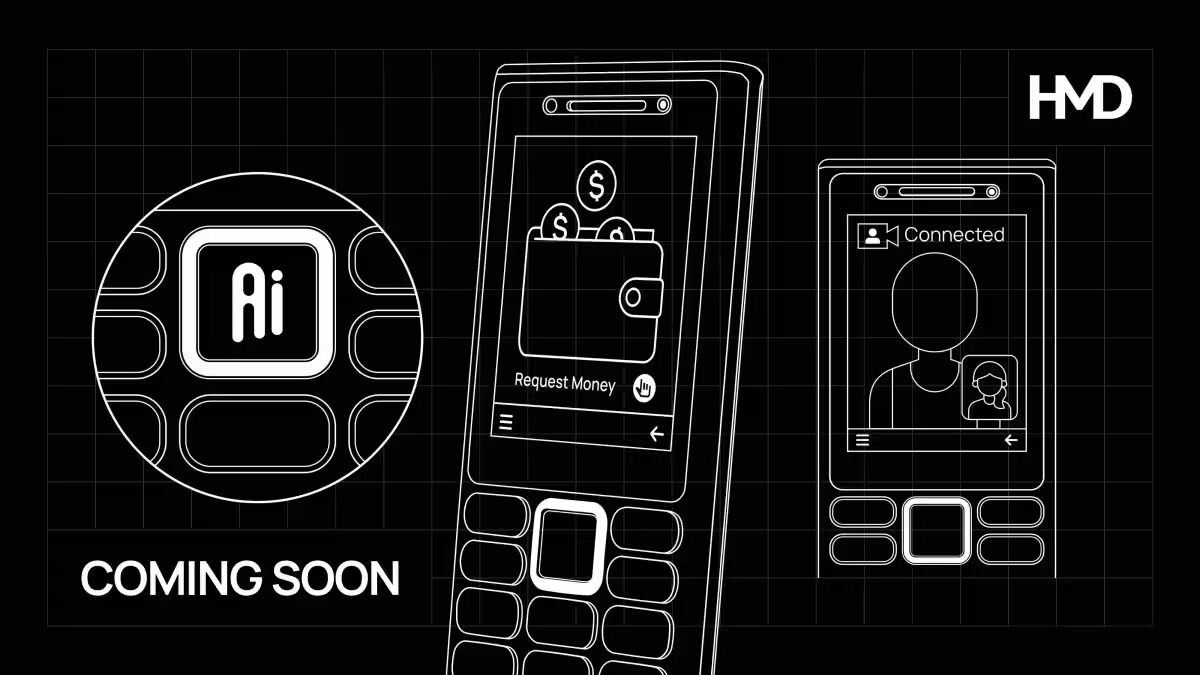
At MWC 2026, HMD’s pitch is simple but significant: pack a handful of smartphone features into phones people use when data or budgets are tight. That matters globally – not just in India, where the company will first launch its new services, but across regions where a feature phone is still the primary connected device. Digital wallets, voice AI and video calls on basic hardware could accelerate financial inclusion, bring conversational assistants to low-cost handsets, and make richer messaging available without forcing users into expensive smartphones or heavy data plans. For carriers and regulators, it’s a test of whether modern services can be secure and compliant at the hardware level; for investors, it’s a bet on growth outside saturated smartphone markets. HMD’s partnerships with fintech, blockchain and AI firms suggest it’s serious about that bet – and that feature phones may become a surprising battleground for mobile innovation in 2026.
At Mobile World Congress 2026, HMD announced plans to bring modern smartphone features to its lineup of feature (button) phones. The company says it wants to expand digital capabilities for users in regions with limited access to the internet. During 2026, the devices will get a digital wallet, an AI assistant, and support for video calling. One of the first markets will be India.
HMD’s digital wallet will let users securely receive, store, and withdraw funds through local payment systems. The company has scheduled the service’s launch in India for the first half of the year, with wider rollouts to follow in other countries. HMD says the wallet will offer device-level protection using a PIN code. The wallet is being developed in partnership with fintech company Kivi3 and blockchain company Polygon Labs.
HMD also plans to integrate artificial intelligence into upcoming feature phones through a collaboration with Indian company Sarvam AI. The new AI assistant will handle basic tasks via voice commands, including making calls, setting alarms, and turning on the flashlight. Users will also be able to chat with the AI for simple questions.
In addition, HMD is developing an AI companion aimed at older adults in partnership with InTouch. That service will focus on support and conversation for senior users. Pilot testing is planned to start in Europe, followed by a broader rollout.
HMD will also introduce video calling and expanded messaging through a new app called Xpress Chat. The app will enable video calls using the front camera, send voice messages, support group chats, and let users share photos.
Context for Russian readers
For Russian readers: the phrase ”кнопочные телефоны” refers to basic feature phones – devices prized for long battery life, simple interfaces, and durable hardware. In many parts of Russia and the post-Soviet space these phones remain common among older people, rural users, and anyone who needs an affordable, low-maintenance device. HMD’s move to add payments, AI and video calling addresses those exact use cases: it’s about bringing familiar smartphone conveniences to a device class that’s still widely used locally.
Analysis and conclusion
HMD’s push is a pragmatic way to chase growth beyond the saturated smartphone market. By embedding a digital wallet, a voice-capable AI assistant, and video calling in feature phones, the company can reach users who otherwise wouldn’t upgrade. Partnering with Kivi3 and Polygon Labs for payments and Sarvam AI and InTouch for intelligent features spreads the technical and regulatory risk, and signals HMD isn’t treating these as throwaway add-ons.
But there are trade-offs. Feature phones have limited screens, CPUs and connectivity, so the experience will likely be simplified compared with smartphones. Security and regulatory compliance for financial services will be critical – HMD’s device-level PIN protection helps, but operators and local partners will need to handle KYC, fraud prevention and local rules. The planned Europe pilot for the senior-focused companion is a smart move: it lets HMD refine the service in well-regulated markets before wider launches.
Ultimately, this strategy could narrow the digital divide by delivering practical services where data is scarce and budgets are tight. If HMD can make payments reliable and AI useful on these modest devices, it’ll create real utility for millions of users – and force other vendors to rethink what a ”feature phone” can do in 2026.