

Mobile World Congress 2026 in Barcelona has kicked off with a sharp focus on devices that blend cutting-edge tech with new approaches to portability and durability. From robotic camera phones to folding gadgets that defy previous thickness limits, this year’s show highlights how manufacturers are pushing boundaries to attract consumers craving both novelty and practical resilience.
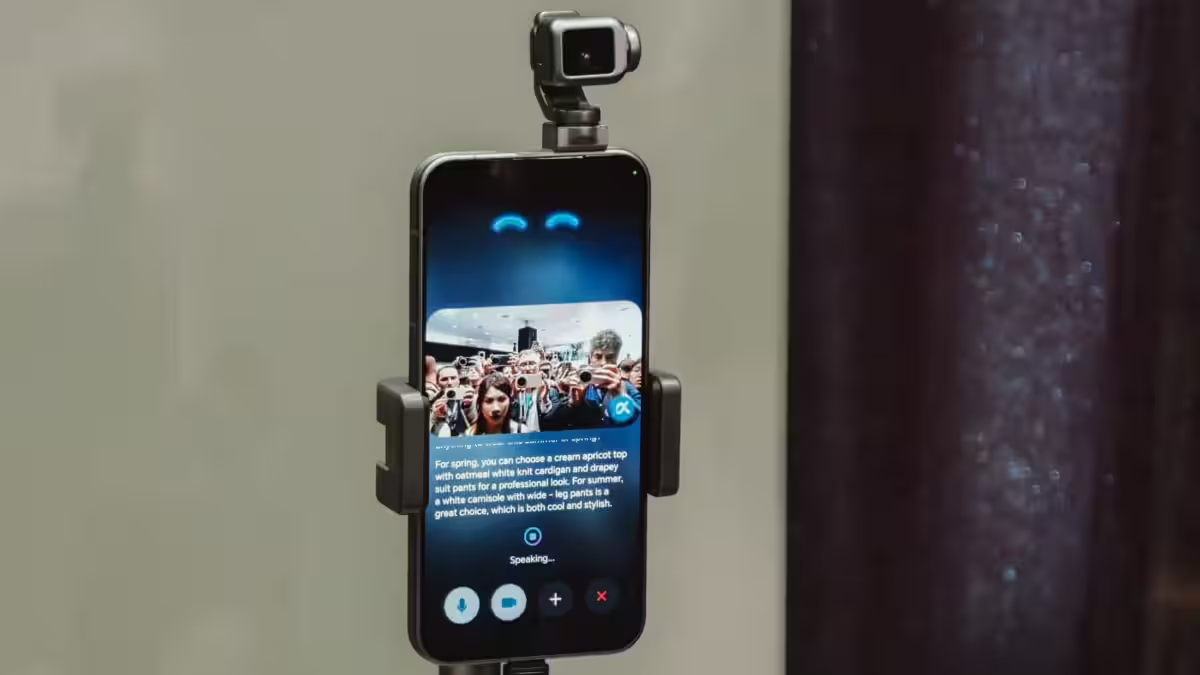
One standout is Honor’s Robot Phone, featuring a unique folding gimbal-stabilized camera arm hidden on its back. It offers an impressive 200-megapixel main sensor and AI-powered tracking, making it both a photography tool and a tech demonstrator. Scheduled for release in China later this year, this device promises a futuristic camera experience but leaves other specifications under wraps, signaling a potential gamble on camera uniqueness as its key selling point.
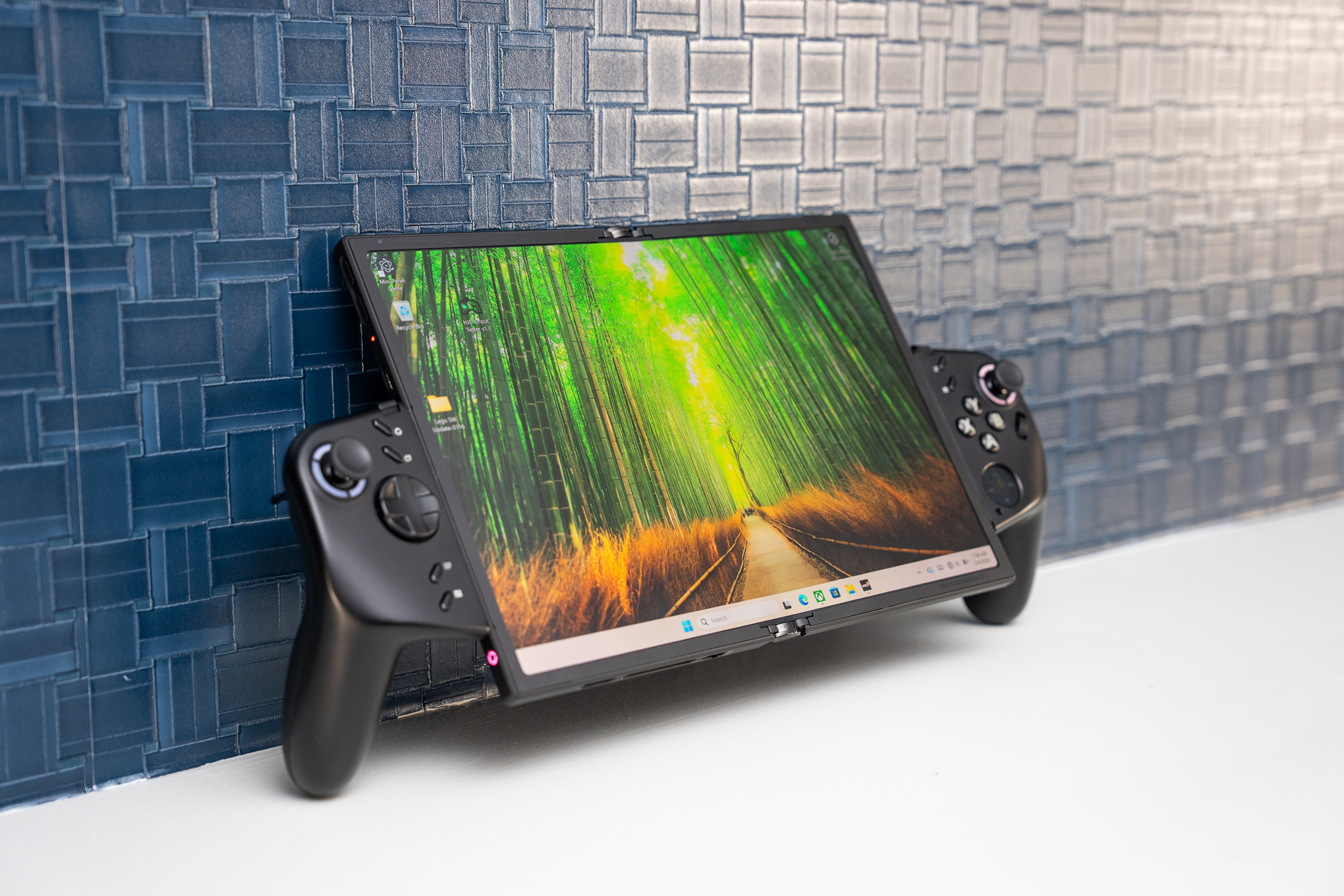
Lenovo’s Legion Go Fold Concept combines multiple trends into one device: a Windows-based handheld console with a foldable 11.6-inch POLED display that folds down to a 7.7-inch screen. Detachable controllers reminiscent of the Nintendo Switch turn it into a versatile machine that can switch between gaming handheld and laptop modes via a folio case with keyboard and trackpad. It’s an unapologetic nod to hybridization, though it remains speculative without a release date.
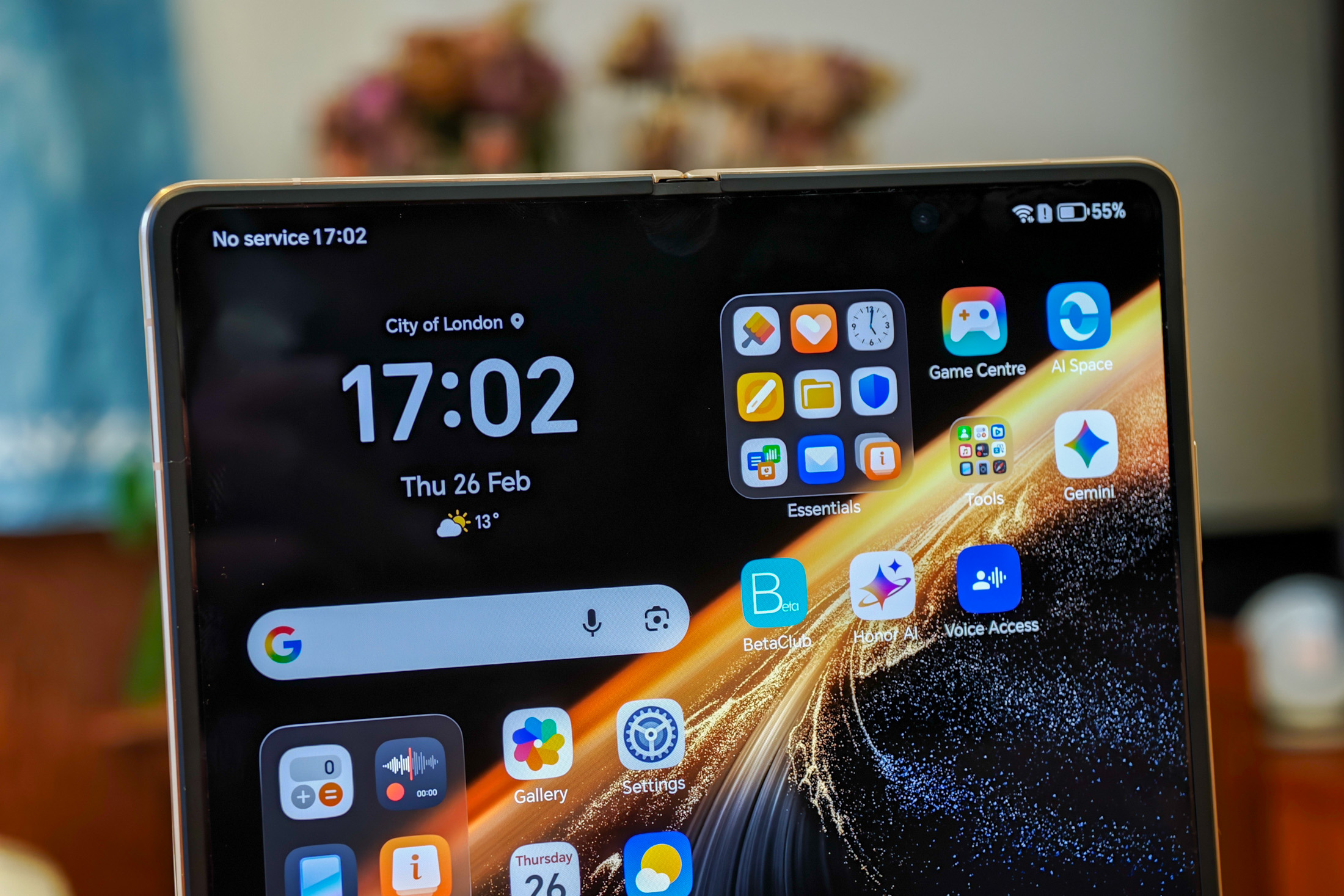
Honor also unveiled the Magic V6, a book-style folding smartphone that trims down on thickness to set a new standard for foldables. Open at only 4mm and folding to 8.75mm, it edges out Samsung’s latest foldable in slimness. Even more intriguingly, the Magic V6 boasts an IP69 rating, the first for a folding phone, safeguarding it against water jets and immersion. This level of durability could shift consumer expectations for foldables from delicate novelties to rugged daily drivers.
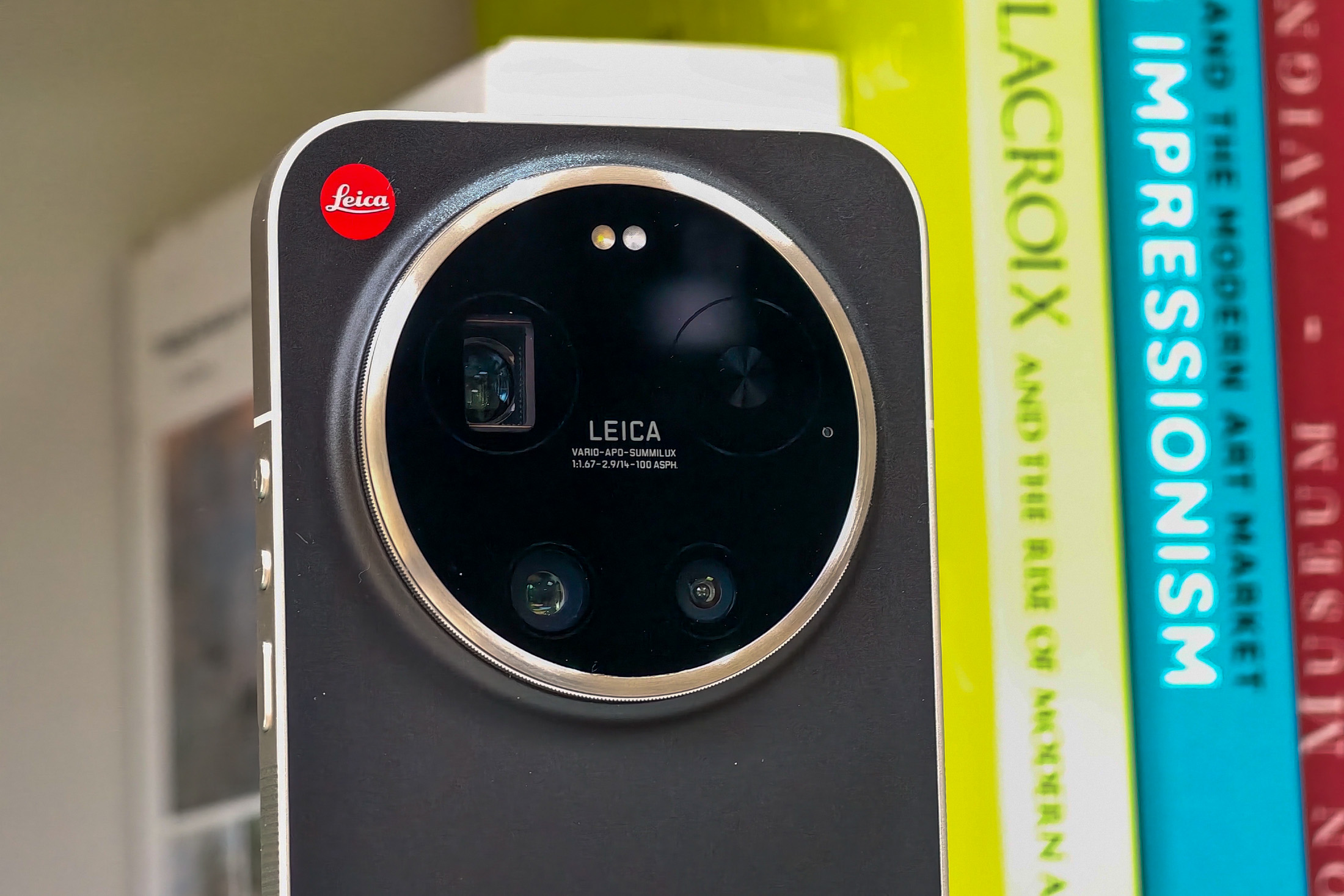
For photography enthusiasts, Xiaomi’s Leica Leitzphone offers a premium experience. Built on the 17 Ultra platform, it features Leica’s signature camera ring that rotates for zoom and filter adjustments, along with a massive 200-megapixel sensor. While the physical ring’s utility is limited by its proximity to the phone’s back, the device’s Leica-designed interface delivers a familiar and rich photographic environment, promising perhaps the strongest single-camera performance this year.
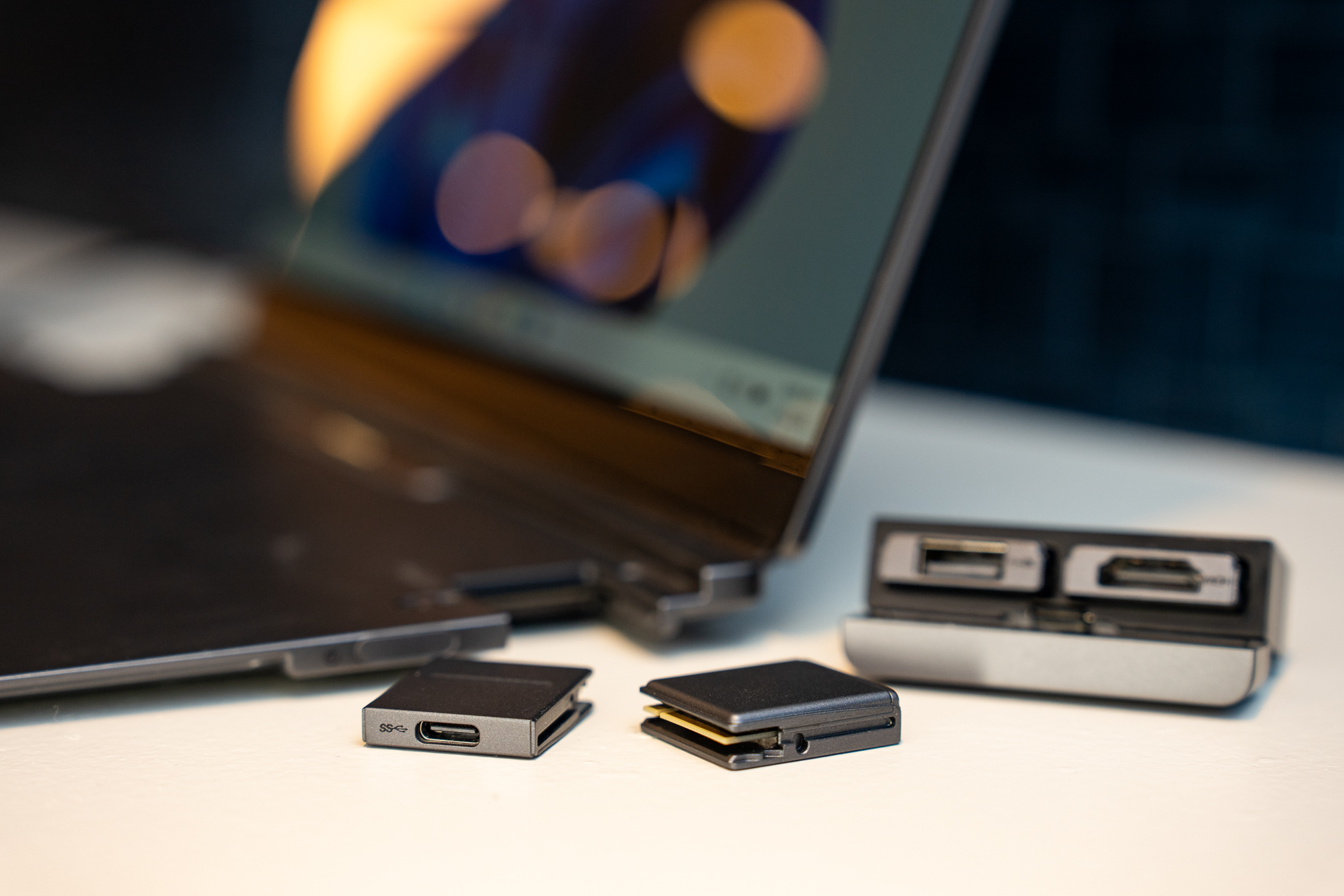
Lenovo’s innovation also extends to laptops with its ThinkBook Modular AI PC Concept. This device features two 14-inch 4K OLED touchscreens that can be used side-by-side, and, more intriguingly, offers modular ports that users can swap in and out-from USB-C to HDMI-as needed. Though a concept without a release timeline, it gestures toward a flexible future where laptops adapt more dynamically to individual needs, challenging competitors like Framework that have explored modularity.
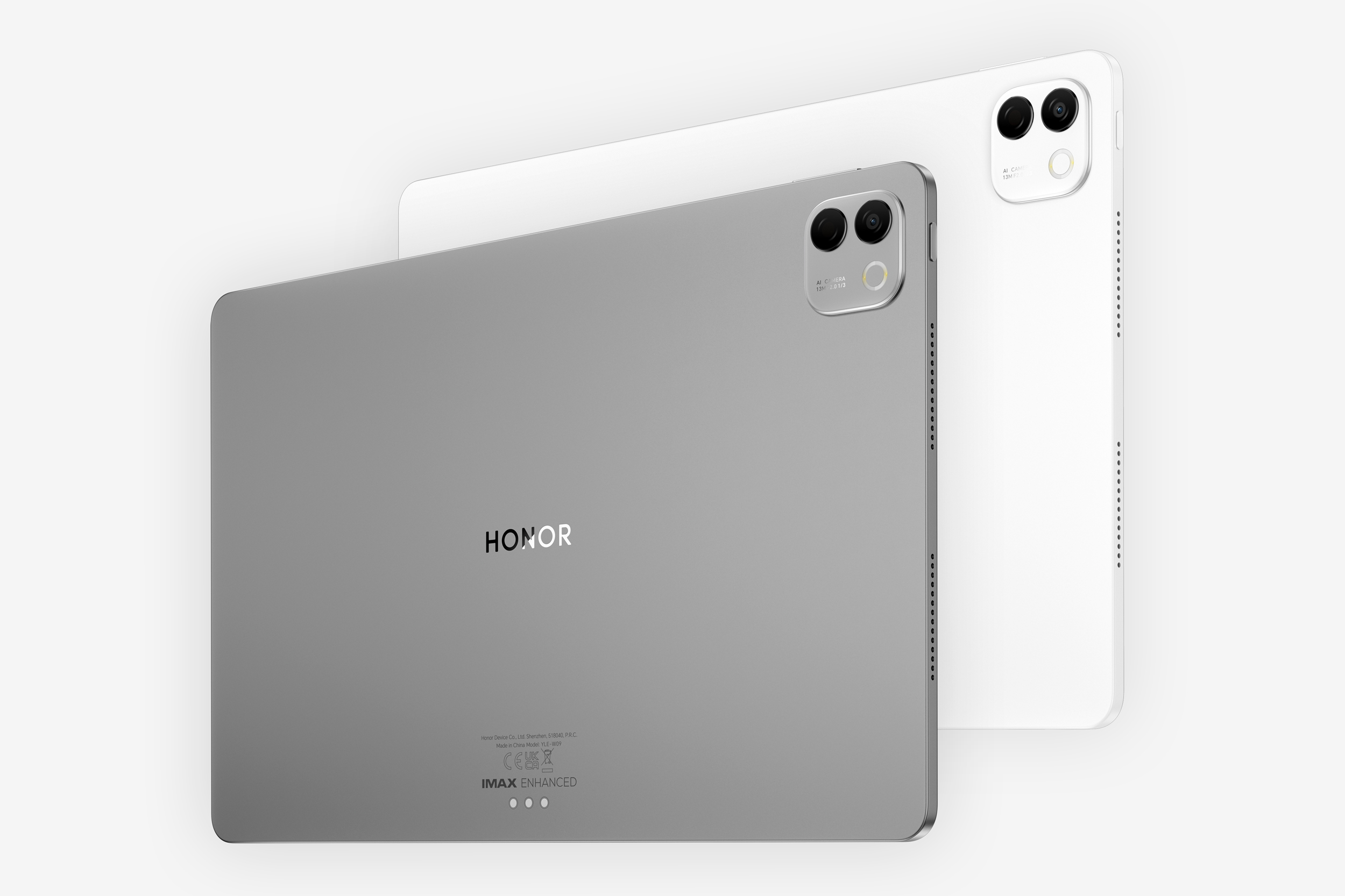
In tablets, Honor’s MagicPad 4 sets a new bar for thinness at 4.8mm, out-slimming Samsung’s Galaxy Tab S11 and even the iPad Air. Its 12.3-inch 165Hz OLED display paired with a Snapdragon 8 Gen 5 chipset places it in premium performance territory, with a price to match. This tablet underlines how the race for svelte yet powerful Android devices intensifies as slab-style consumption of media remains popular despite foldable trends.
MWC 2026’s early reveals suggest a renewed emphasis on combining durability, foldable innovations, and modularity, rather than just packing more power or cameras. The diversity signals manufacturers are looking for fresh ways to excite consumers beyond incremental upgrades. Whether these concepts translate into mass-market hits remains to be seen, but the willingness to rethink form factors and ruggedness at the show isn’t something we saw as boldly this time last year.