

The selective approach also highlights the complex nature of maintaining cinematic universes over long periods, particularly when actors return after significant gaps. Rachel Weisz’s character, Evelyn Carnahan, was notably absent in the third film due to the actress’s decision not to return at the time, which left that chapter disconnected. Now her involvement is being leveraged to restore continuity and perhaps to reset audience expectations for the franchise’s direction.
Interestingly, this move places Brendan Fraser and Rachel Weisz back at the heart of the narrative, emphasizing character-driven storytelling over expanding the lore with new settings and antagonists, as seen in the third installment. It remains to be seen how this will shape the new film’s plot and whether fans will embrace the selective canon approach as a fresh start or view it as dismissive of the franchise’s full history.
When questioned about the film’s canonicity by Entertainment Weekly, Bettinelli-Olpin pointed to Rachel Weisz’s presence in The Mummy 4 as a decisive factor, implying that the storyline will follow the continuity in which her character exists-thus dismissing Tomb of the Dragon Emperor, where she was absent. This stance suggests an intentional reframing of the narrative to focus on the core characters that defined the franchise’s initial success.
This decision reflects a broader trend in Hollywood of revisiting and selectively curating franchise histories, especially when certain sequels underperform critically or commercially. Tomb of the Dragon Emperor, released in 2008, was met with negative reviews and lukewarm box office results, leading to its reputation as the weak link in The Mummy series. By distancing the new installment from that movie, the filmmakers appear to be realigning the series more closely with fans’ nostalgic attachments to the original films and their leads.
The selective approach also highlights the complex nature of maintaining cinematic universes over long periods, particularly when actors return after significant gaps. Rachel Weisz’s character, Evelyn Carnahan, was notably absent in the third film due to the actress’s decision not to return at the time, which left that chapter disconnected. Now her involvement is being leveraged to restore continuity and perhaps to reset audience expectations for the franchise’s direction.
Interestingly, this move places Brendan Fraser and Rachel Weisz back at the heart of the narrative, emphasizing character-driven storytelling over expanding the lore with new settings and antagonists, as seen in the third installment. It remains to be seen how this will shape the new film’s plot and whether fans will embrace the selective canon approach as a fresh start or view it as dismissive of the franchise’s full history.
When questioned about the film’s canonicity by Entertainment Weekly, Bettinelli-Olpin pointed to Rachel Weisz’s presence in The Mummy 4 as a decisive factor, implying that the storyline will follow the continuity in which her character exists-thus dismissing Tomb of the Dragon Emperor, where she was absent. This stance suggests an intentional reframing of the narrative to focus on the core characters that defined the franchise’s initial success.
This decision reflects a broader trend in Hollywood of revisiting and selectively curating franchise histories, especially when certain sequels underperform critically or commercially. Tomb of the Dragon Emperor, released in 2008, was met with negative reviews and lukewarm box office results, leading to its reputation as the weak link in The Mummy series. By distancing the new installment from that movie, the filmmakers appear to be realigning the series more closely with fans’ nostalgic attachments to the original films and their leads.
The selective approach also highlights the complex nature of maintaining cinematic universes over long periods, particularly when actors return after significant gaps. Rachel Weisz’s character, Evelyn Carnahan, was notably absent in the third film due to the actress’s decision not to return at the time, which left that chapter disconnected. Now her involvement is being leveraged to restore continuity and perhaps to reset audience expectations for the franchise’s direction.
Interestingly, this move places Brendan Fraser and Rachel Weisz back at the heart of the narrative, emphasizing character-driven storytelling over expanding the lore with new settings and antagonists, as seen in the third installment. It remains to be seen how this will shape the new film’s plot and whether fans will embrace the selective canon approach as a fresh start or view it as dismissive of the franchise’s full history.
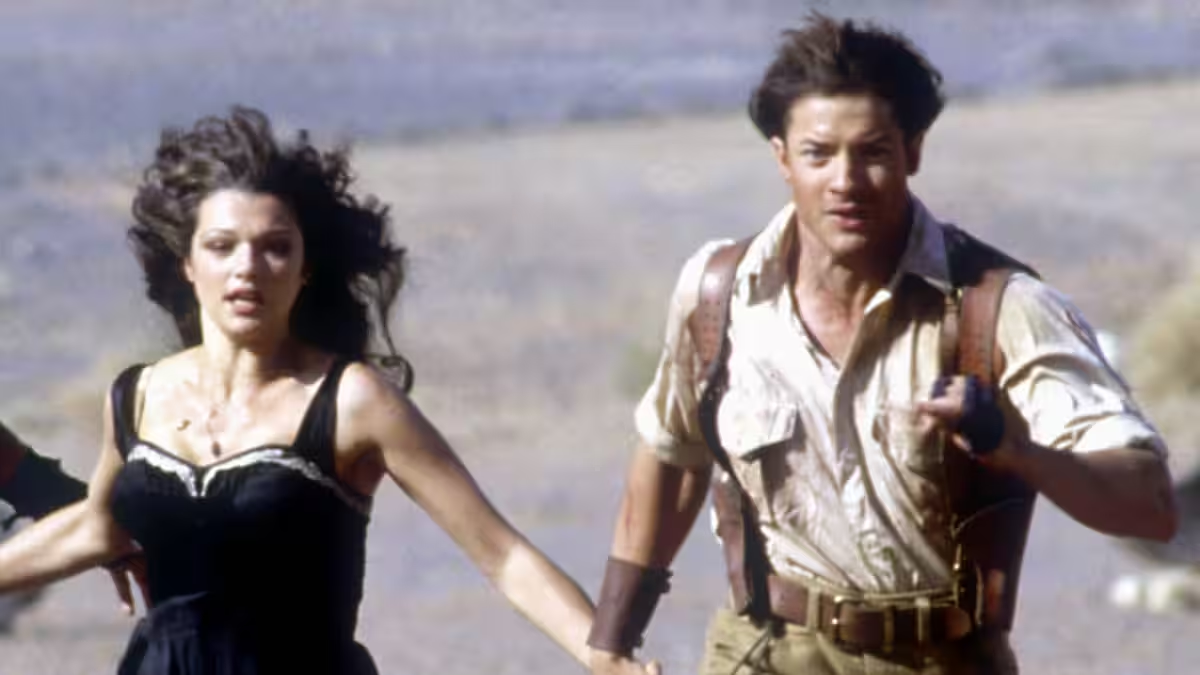
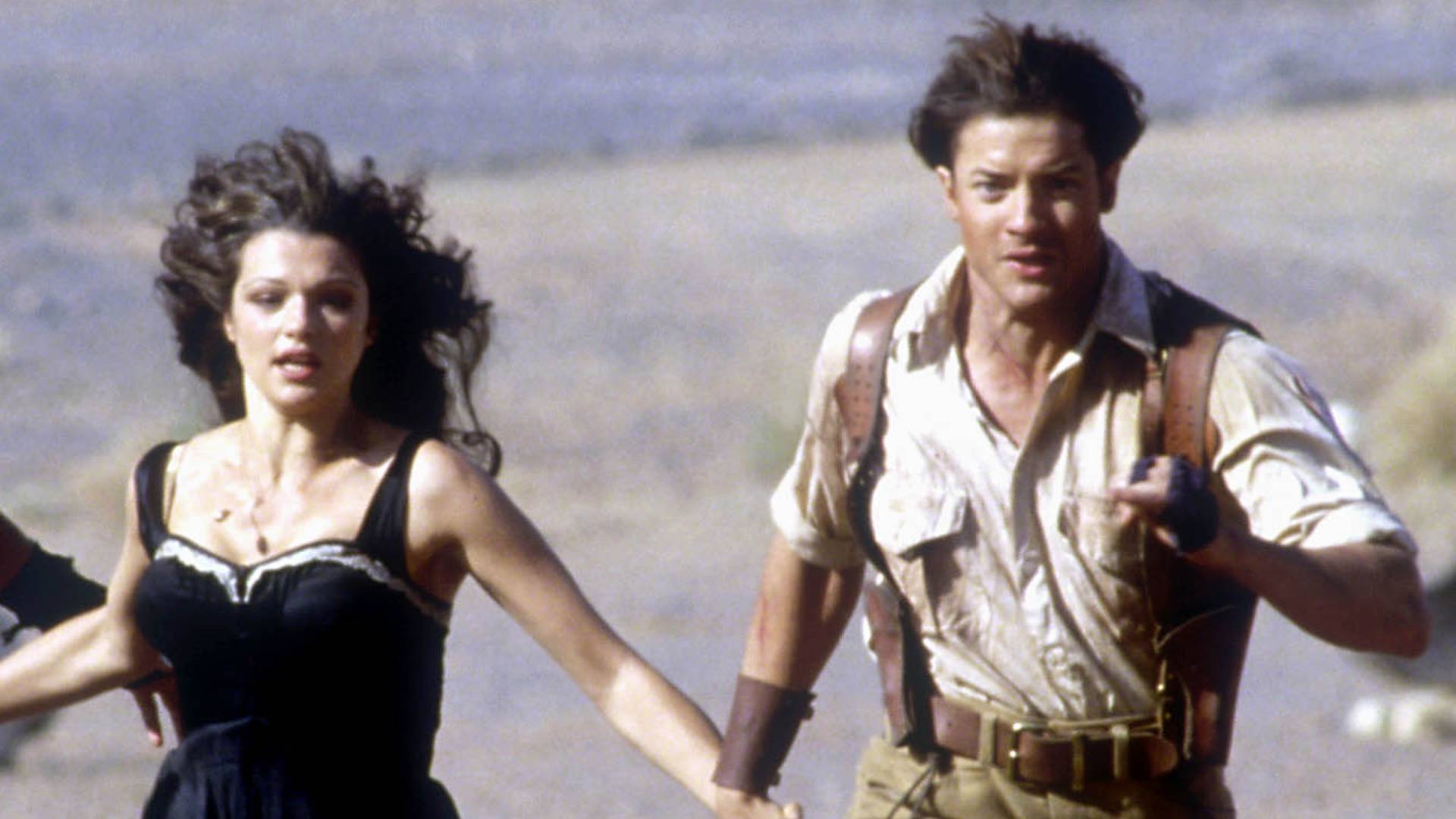
The upcoming The Mummy 4 is reconnecting with its original stars Brendan Fraser and Rachel Weisz but is deliberately excluding the widely criticized third installment, Tomb of the Dragon Emperor, from its official storyline. Directors Matt Bettinelli-Olpin and Tyler Gillett have suggested that with this revival, the franchise is choosing to overlook the third film’s place in continuity, effectively sidelining its existence.
When questioned about the film’s canonicity by Entertainment Weekly, Bettinelli-Olpin pointed to Rachel Weisz’s presence in The Mummy 4 as a decisive factor, implying that the storyline will follow the continuity in which her character exists-thus dismissing Tomb of the Dragon Emperor, where she was absent. This stance suggests an intentional reframing of the narrative to focus on the core characters that defined the franchise’s initial success.
This decision reflects a broader trend in Hollywood of revisiting and selectively curating franchise histories, especially when certain sequels underperform critically or commercially. Tomb of the Dragon Emperor, released in 2008, was met with negative reviews and lukewarm box office results, leading to its reputation as the weak link in The Mummy series. By distancing the new installment from that movie, the filmmakers appear to be realigning the series more closely with fans’ nostalgic attachments to the original films and their leads.
The selective approach also highlights the complex nature of maintaining cinematic universes over long periods, particularly when actors return after significant gaps. Rachel Weisz’s character, Evelyn Carnahan, was notably absent in the third film due to the actress’s decision not to return at the time, which left that chapter disconnected. Now her involvement is being leveraged to restore continuity and perhaps to reset audience expectations for the franchise’s direction.
Interestingly, this move places Brendan Fraser and Rachel Weisz back at the heart of the narrative, emphasizing character-driven storytelling over expanding the lore with new settings and antagonists, as seen in the third installment. It remains to be seen how this will shape the new film’s plot and whether fans will embrace the selective canon approach as a fresh start or view it as dismissive of the franchise’s full history.
The upcoming The Mummy 4 is reconnecting with its original stars Brendan Fraser and Rachel Weisz but is deliberately excluding the widely criticized third installment, Tomb of the Dragon Emperor, from its official storyline. Directors Matt Bettinelli-Olpin and Tyler Gillett have suggested that with this revival, the franchise is choosing to overlook the third film’s place in continuity, effectively sidelining its existence.
When questioned about the film’s canonicity by Entertainment Weekly, Bettinelli-Olpin pointed to Rachel Weisz’s presence in The Mummy 4 as a decisive factor, implying that the storyline will follow the continuity in which her character exists-thus dismissing Tomb of the Dragon Emperor, where she was absent. This stance suggests an intentional reframing of the narrative to focus on the core characters that defined the franchise’s initial success.
This decision reflects a broader trend in Hollywood of revisiting and selectively curating franchise histories, especially when certain sequels underperform critically or commercially. Tomb of the Dragon Emperor, released in 2008, was met with negative reviews and lukewarm box office results, leading to its reputation as the weak link in The Mummy series. By distancing the new installment from that movie, the filmmakers appear to be realigning the series more closely with fans’ nostalgic attachments to the original films and their leads.
The selective approach also highlights the complex nature of maintaining cinematic universes over long periods, particularly when actors return after significant gaps. Rachel Weisz’s character, Evelyn Carnahan, was notably absent in the third film due to the actress’s decision not to return at the time, which left that chapter disconnected. Now her involvement is being leveraged to restore continuity and perhaps to reset audience expectations for the franchise’s direction.
Interestingly, this move places Brendan Fraser and Rachel Weisz back at the heart of the narrative, emphasizing character-driven storytelling over expanding the lore with new settings and antagonists, as seen in the third installment. It remains to be seen how this will shape the new film’s plot and whether fans will embrace the selective canon approach as a fresh start or view it as dismissive of the franchise’s full history.
The upcoming The Mummy 4 is reconnecting with its original stars Brendan Fraser and Rachel Weisz but is deliberately excluding the widely criticized third installment, Tomb of the Dragon Emperor, from its official storyline. Directors Matt Bettinelli-Olpin and Tyler Gillett have suggested that with this revival, the franchise is choosing to overlook the third film’s place in continuity, effectively sidelining its existence.
When questioned about the film’s canonicity by Entertainment Weekly, Bettinelli-Olpin pointed to Rachel Weisz’s presence in The Mummy 4 as a decisive factor, implying that the storyline will follow the continuity in which her character exists-thus dismissing Tomb of the Dragon Emperor, where she was absent. This stance suggests an intentional reframing of the narrative to focus on the core characters that defined the franchise’s initial success.
This decision reflects a broader trend in Hollywood of revisiting and selectively curating franchise histories, especially when certain sequels underperform critically or commercially. Tomb of the Dragon Emperor, released in 2008, was met with negative reviews and lukewarm box office results, leading to its reputation as the weak link in The Mummy series. By distancing the new installment from that movie, the filmmakers appear to be realigning the series more closely with fans’ nostalgic attachments to the original films and their leads.
The selective approach also highlights the complex nature of maintaining cinematic universes over long periods, particularly when actors return after significant gaps. Rachel Weisz’s character, Evelyn Carnahan, was notably absent in the third film due to the actress’s decision not to return at the time, which left that chapter disconnected. Now her involvement is being leveraged to restore continuity and perhaps to reset audience expectations for the franchise’s direction.
Interestingly, this move places Brendan Fraser and Rachel Weisz back at the heart of the narrative, emphasizing character-driven storytelling over expanding the lore with new settings and antagonists, as seen in the third installment. It remains to be seen how this will shape the new film’s plot and whether fans will embrace the selective canon approach as a fresh start or view it as dismissive of the franchise’s full history.