

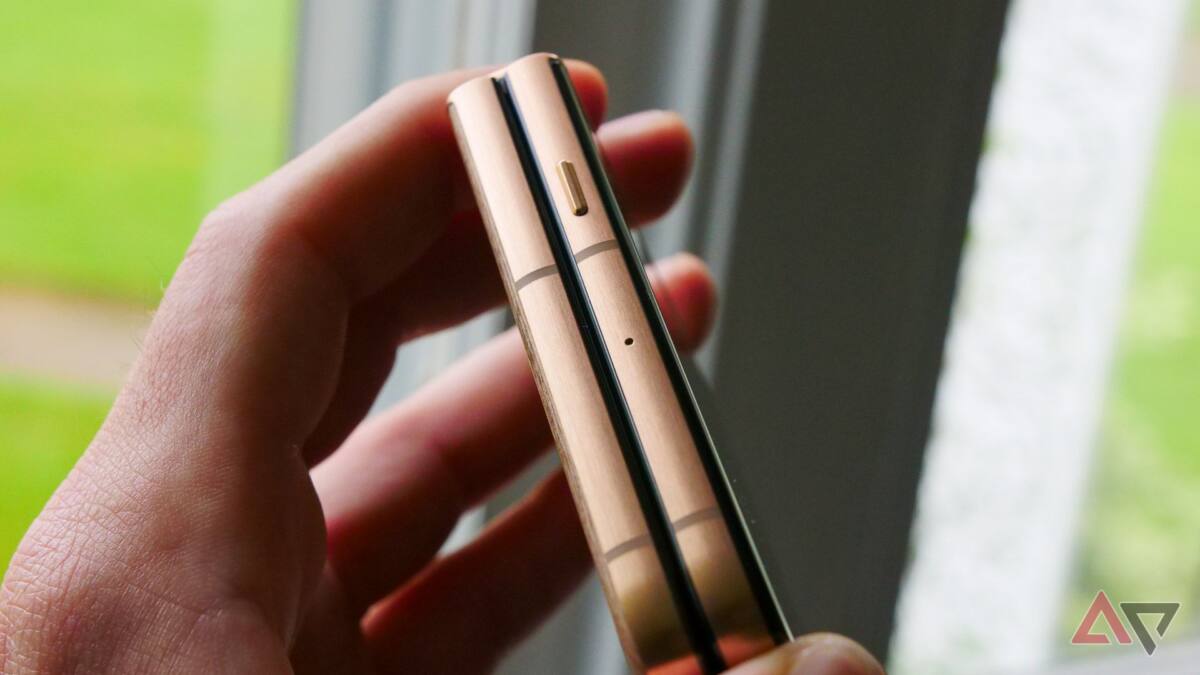
Motorola is poised to release the next iteration of its Razr Ultra foldable phone, sticking closely to the design that has earned it a solid 50% share of the US foldable market. While Samsung’s foldables often steal headlines, Motorola’s approach-offering a sleek design coupled with modest innovations-continues to resonate with users. The upcoming Motorola Razr Ultra foldable phone seems to follow this formula, with leaked renders showing a device that looks nearly identical to the current model but with subtle changes in thickness and hardware.
The new Razr Ultra foldable phone is reported to maintain the same 4-inch outer display and 7-inch internal screen seen on its predecessor. However, it will be slightly thicker, measuring 7.8 mm unfolded and 15.8 mm folded-compared to last year’s 7.2 mm and 15.7 mm. Though this increase is minimal, users are unlikely to perceive a difference in everyday use. The extra thickness is likely a trade-off to fit upgraded internal components, suggesting Motorola aims to improve performance or battery capacity without altering the sleek footprint that buyers appreciate.
Last year’s Razr Ultra was notable for its premium positioning among Motorola’s foldable lineup, sitting alongside the Razr and Razr+. Despite delivering a polished experience, criticisms centered on its high price tag and underwhelming battery life, alongside lackluster AI features. The dedicated AI button, a unique design addition, didn’t offer the breakthrough utility many hoped for, leaving room for Motorola to refine how AI is integrated going forward.
Motorola’s steady innovation-tweaking hardware while preserving a beloved design-reflects a cautious but effective strategy that has helped the brand carve out a leadership spot in the US foldable phone market. Competition is intensifying as manufacturers race to improve foldables’ durability, battery life, and software intelligence. Whether the upcoming Razr Ultra’s subtle physical changes will translate into meaningful upgrades remains to be seen, but Motorola’s formula of focusing more on user experience than flash could keep it competitive.