

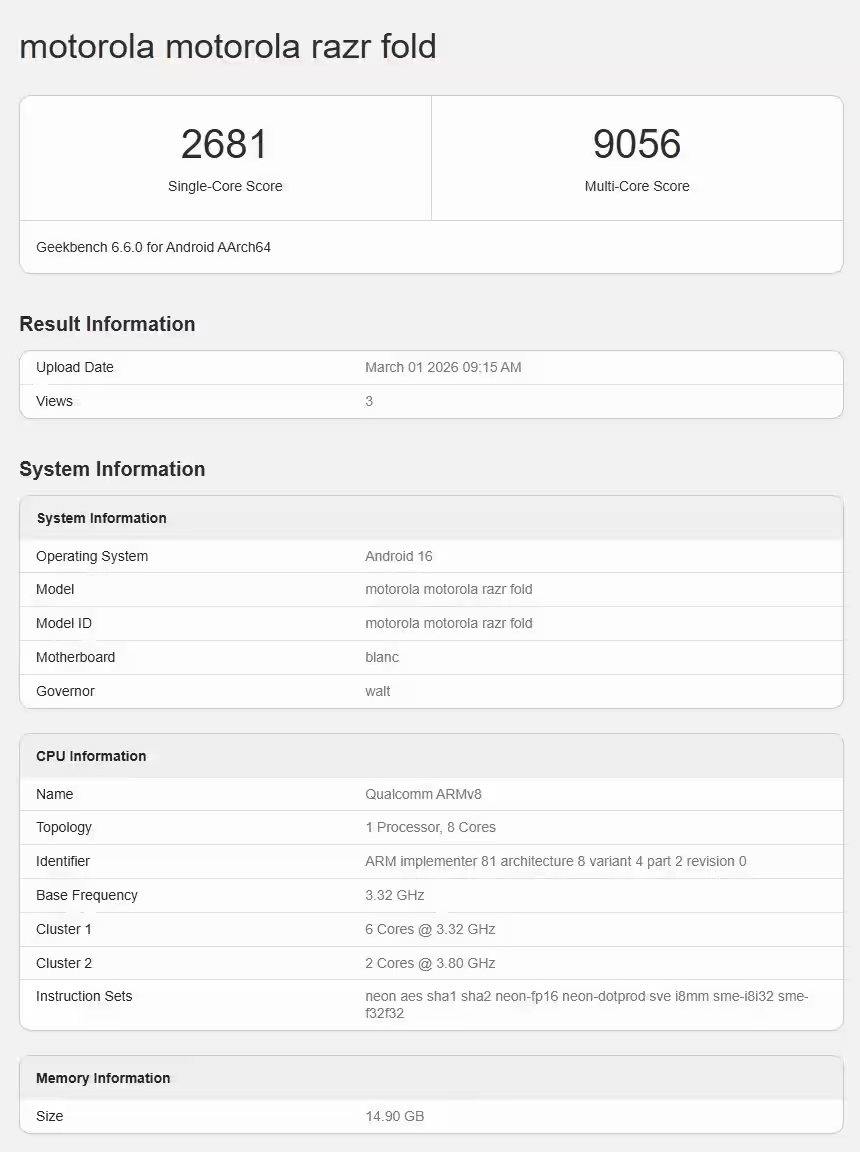
Motorola has finally revealed the powerhouse inside its first book-style foldable smartphone, the Razr Fold-and it’s not the absolute latest silicon you’d expect. After teasing the device at CES 2026 without disclosing the processor, a Geekbench listing confirms the Razr Fold runs on Qualcomm’s Snapdragon 8 Gen 5, rather than the newer Snapdragon 8 Elite Gen 5.
The benchmark results show the Razr Fold hitting a solid single-core score of 2,681 and a multi-core score of 9,056. These figures place the device firmly within flagship territory but shy of the peak performance envelope offered by Qualcomm’s tier-one Gen 5 chipset variant. The processor clocks up to 3.80 GHz, paired with an Adreno 829 GPU, and the unit runs Android 16 with 16GB of RAM.
Choosing the Snapdragon 8 Gen 5 over the Elite Gen 5 isn’t surprising. High-end foldables already cost a fortune because of complex foldable displays and engineering, so Motorola is likely aiming to balance flagship performance with a more manageable price point. This subtle trade-off suggests the company wants to avoid scaring off buyers with a super-expensive setup, even if it means leaving peak Snapdragon power on the shelf.
The Razr Fold sports an 8.09-inch LTPO OLED main display with a crisp 2K resolution alongside a 6.6-inch OLED cover screen. Camera-wise, it features a fairly formidable setup: a 20MP internal selfie camera; a 32MP cover camera for quick snaps; and a rear triple-lens array consisting of a 50MP Sony Lytia primary sensor, a 50MP ultra-wide with macro capabilities, plus a 50MP 3x periscope telephoto lens. This camera package hints at Motorola’s push to compete with foldables from Samsung and others, who have already set high expectations in this segment.
The device runs Android 16, enhanced by Motorola’s Hello UX interface, and includes a side-mounted fingerprint sensor. Notably, it supports the Motorola Pen Ultra, catering to users who want a stylus experience-a feature still rare in foldable phones. Motorola is also emphasizing style with Pantone-certified color options like Blackened Blue and Lilly White. These touches underscore Motorola’s attempt to appeal both to tech enthusiasts and fashion-conscious consumers.

The Razr Fold’s choice of Snapdragon 8 Gen 5 is a noticeable contrast to rivals such as Samsung, which commonly equips their latest foldables with the Snapdragon 8 Gen 2 or equivalent Exynos chips. Samsung’s foldables lean hard into showcasing cutting-edge specs, but Motorola seems to be taking a more measured approach, perhaps reflecting the ongoing cost challenges in producing foldable screens. This may help ensure the Razr Fold remains more accessible than some ultra-premium foldables.
History shows that Motorola’s foldable endeavors have been cautious but stylish, starting with the Razr flip phones of the past. The Razr Fold’s premium specs and features mark good progress, yet its processor choice signals a pragmatic balancing act rather than a full-on flagship blitz. The Snapdragon 8 Gen 5 still delivers ample power for most users, but the year’s fastest Snapdragon chip would have been a stronger statement in a highly competitive foldable market. Whether this cost-saving chip decision pays off in user satisfaction and sales will be an interesting story to follow as the Razr Fold hits more markets.
With foldable phones still a niche but growing category, Motorola’s approach might appeal to buyers seeking a distinctive device with solid performance without the jaw-dropping price tag of ultra-high-end foldables. Expect more details and pricing info to surface as the company navigates this tricky market space in 2026.