

Buyers who used to trade off durability, high refresh rates, or huge batteries for a lower price no longer have to – or at least that’s the bet Motorola is making with the Edge 70 Fusion. The phone’s leaked marketing materials show a device that packs specs once reserved for premium handsets into a midrange shell, underscoring how the middle of the market has become a battleground for flagship-like features.
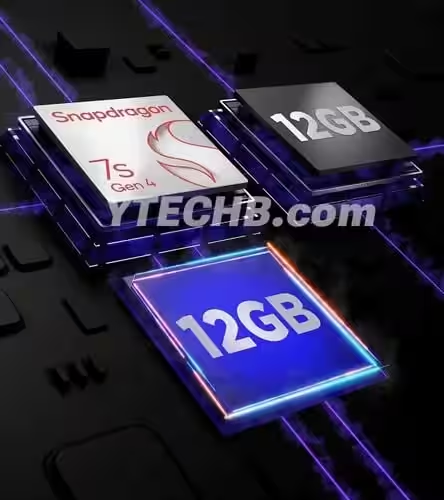
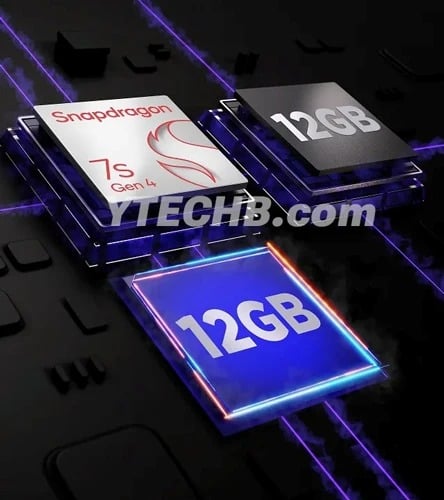
What leaked so far is straightforward: Motorola plans to ship the Edge 70 Fusion with Qualcomm’s Snapdragon 7s Gen 4 chipset and memory options that include a 12GB model and an 8GB variant. The phone will be available in five finishes – Blue Surf, Country Air, Orient Blue, Sporting Green, and Silhouette – and runs Android 16 out of the box.
The hardware list reads like a midrange device trying to masquerade as a premium phone. Motorola’s marketing material claims a 6.78-inch quad-curved OLED with a 144Hz refresh rate and Corning Gorilla Glass 7i for protection. Durability credentials are unusually robust for the class, with both IP68 and IP69 markings plus MIL-STD-810H certification. Other leaks floating around the same materials peg peak brightness at up to 5,200 nits, a 50-megapixel Sony LYTIA main camera, a 32-megapixel front camera, and a very large 7,000mAh battery with 68W charging.
What this actually means for buyers
There are two clear threads here. First, Qualcomm’s 7-series silicon continues to be the go-to platform for brands that want near-flagship responsiveness without flagship pricing. The Snapdragon 7s Gen 4 is the latest example: a chipset that aims to lift midrange performance enough to run high-refresh displays, camera pipelines, and heavier multitasking without leaning on the pricier 8-series parts.
Second, manufacturers are using durability and battery as headline differentiators. IP69 and MIL-STD certifications are still relatively uncommon on midrange phones; the combination of those ratings with a 7,000mAh battery is aimed squarely at users who value toughness and multi-day stamina over slimness or the last ounce of camera processing.
How competitors stack up
Across the market, rivals have been chasing the same recipe: higher refresh rates, bigger batteries, and IP ratings have migrated downward from flagships. Brands such as Samsung, Xiaomi, OnePlus, and Realme have steadily increased midrange screens to 120Hz or higher and added tougher chassis options. The difference for Motorola will be execution: can it keep the Edge 70 Fusion feeling light and ergonomic despite a 7,000mAh cell, and can it deliver real-world endurance without ballooning weight?
What Motorola still needs to prove
Leaks give us raw specs, not the user experience. Peak brightness figures like 5,200 nits sound great on paper but often apply only for tiny on-screen elements under specific test conditions. Likewise, a 50-megapixel Sony LYTIA sensor is promising, but final image quality will depend on optical design and software processing – areas where midrange phones often cut corners.
Another open question is price. Motorola can plant flagship features in its spec sheet, but the device’s commercial impact will hinge on how aggressively it’s priced. If the Edge 70 Fusion undercuts rivals while keeping those durability and battery claims, it could force a refresh across the midrange. If the price climbs, Motorola risks turning the Fusion into an expensive compromise: a phone that looks like a flagship on paper but doesn’t match the polish or camera performance of true premium devices.
Verdict and what’s next
The leaks paint a coherent strategy: pack standout, practical features into the midrange and make durability and battery life selling points. That’s smart. The test will be real-world measurements – screen brightness under sunlight, endurance with moderate to heavy use, and how the cameras actually perform in daylight and low light.
Expect Motorola to position the Edge 70 Fusion as a practical alternative to pricier flagships. If it nails ergonomics and keeps the price competitive, the Fusion could be one of 2026’s sharper midrange value propositions. If not, it will be another example of feature bloat: impressive-looking specs that don’t translate into a noticeably better day-to-day phone.