

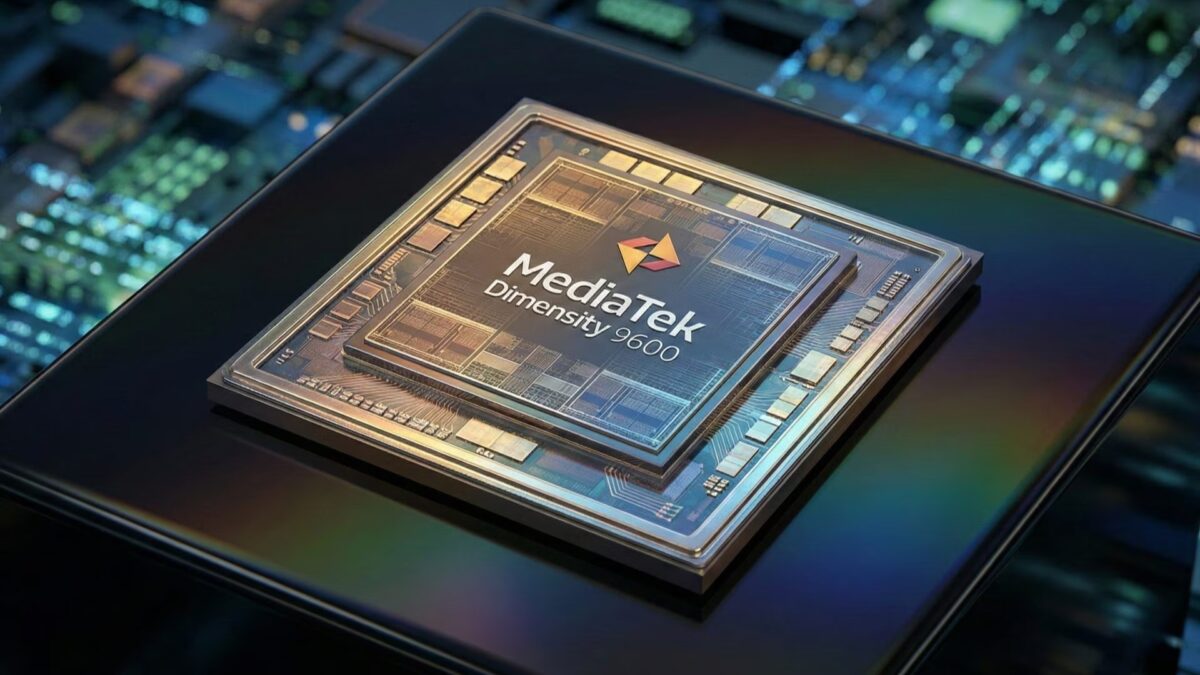
MediaTek is gearing up to shake up the premium chipset arena with its upcoming Dimensity 9600, which promises a radical new architecture coupled with a 2nm manufacturing process from TSMC. Insider leaks suggest this could mark a significant leap in performance and efficiency just as Qualcomm’s Snapdragon 8 Elite Gen 6 enters the spotlight.
The Dimensity 9600 is reported to be built on TSMC’s advanced N2P 2nm node, a substantial shrink from the current 3nm generation. But the bigger news is its CPU configuration: a 2+3+3 core layout, featuring two high-performance ”prime” cores alongside three performance cores and three efficiency cores. This is a major shift from the existing Dimensity 9500, which sports a single ultra-high-power ARM Cortex C1-Ultra core, supported by three C1-Premium cores and four energy-saving C1-Pro cores.
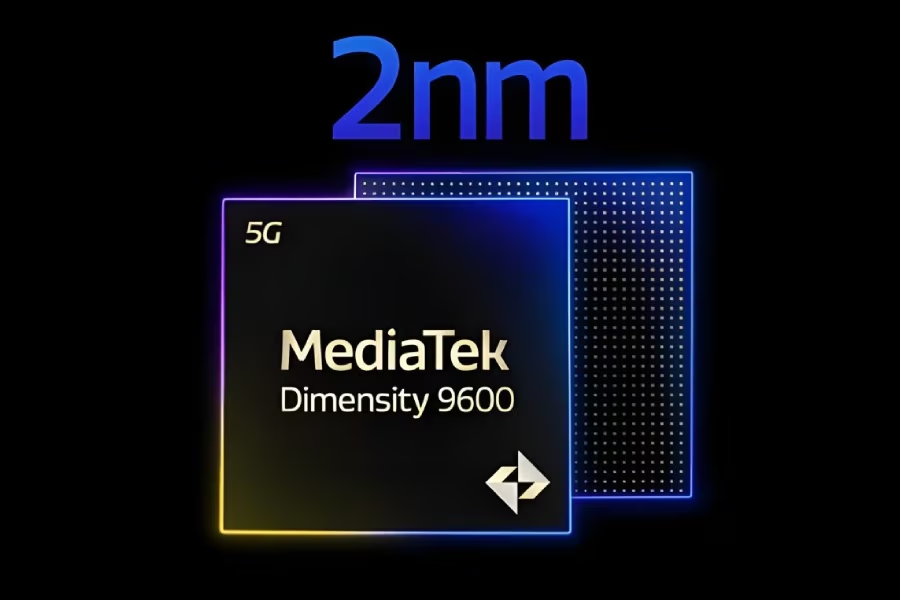
Inside MediaTek, this revamped architecture is codenamed ”Canyon.” The rationale behind doubling the prime cores is to better handle heavy, resource-intensive workloads-especially as AI processing demands grow. Pairing this new core setup with the 2nm fabrication process should yield a noticeable boost in both raw horsepower and power efficiency compared to the Dimensity 9500.
The graphics subsystem is also slated for an upgrade. Rumors point to a new GPU that supports neural network shaders, enabling tighter integration between the graphics processor and the NPU (neural processing unit). This synergy aims to reduce power consumption while maintaining high performance levels, a critical factor for AI-driven applications.
Across the aisle, Qualcomm is reportedly adopting a similar 2+3+3 core strategy for its Snapdragon 8 Elite Gen 6. However, while Qualcomm’s approach leverages proprietary Oryon cores, MediaTek is sticking to ARM’s latest Cortex-C2-series cores. Both companies are clearly targeting a balance between peak performance and efficiency but are taking distinct architectural paths to get there.
For context, MediaTek has been steadily closing the gap with Qualcomm in the flagship mobile chipset segment, where Apple, Samsung, and Google also play dominant roles. The move to 2nm and dual ”prime” cores puts MediaTek on a promising trajectory to challenge established players on performance fronts while catering to the growing AI capabilities increasingly baked into mobile devices. TSMC’s 2nm node, though still in early adoption, is projected to offer roughly 10-15% performance improvement and significant energy savings over 3nm chips, making it a coveted leap.
With the Dimensity 9600, MediaTek is not just tweaking specs but rethinking its approach to high-end CPUs and AI-driven workloads, a sign of how next-gen smartphones will juggle raw power and smart efficiency. Whether this will translate into better real-world battery life, gaming, or AI performance remains to be seen, but the dual ”prime” core concept is a fresh take worth watching.