


Talk of ”colonizing Mars” sells headlines and billionaire roadmaps, but it hides a simpler reality: living on Mars won’t be like carving out a homestead. It will be more like running a permanently inhabited submarine or a remote research lab that happens to sit on an orange rock.
Why the romance of Mars fails contact with fact
Popular culture treats Mars as a hard but beatable destination: don a suit, plant a flag, start a potato patch. The planet itself disagrees. Its surface pressure is roughly 1% of Earth’s, the air is about 95-96% carbon dioxide, average temperatures sit near −80°F (−62°C) and can plunge far lower at night, and the planet lacks a global magnetic field to deflect solar and cosmic radiation.
Those numbers mean two things at once. First, the open surface is instantly hostile – without a suit you would lose consciousness and die within minutes. Second, any long-term human presence will have to hide from the surface rather than tame it. Think underground, covered in regolith, or inside structures with metres of shielding.
Buried, not sprawling: habitats will be sealed and subterranean
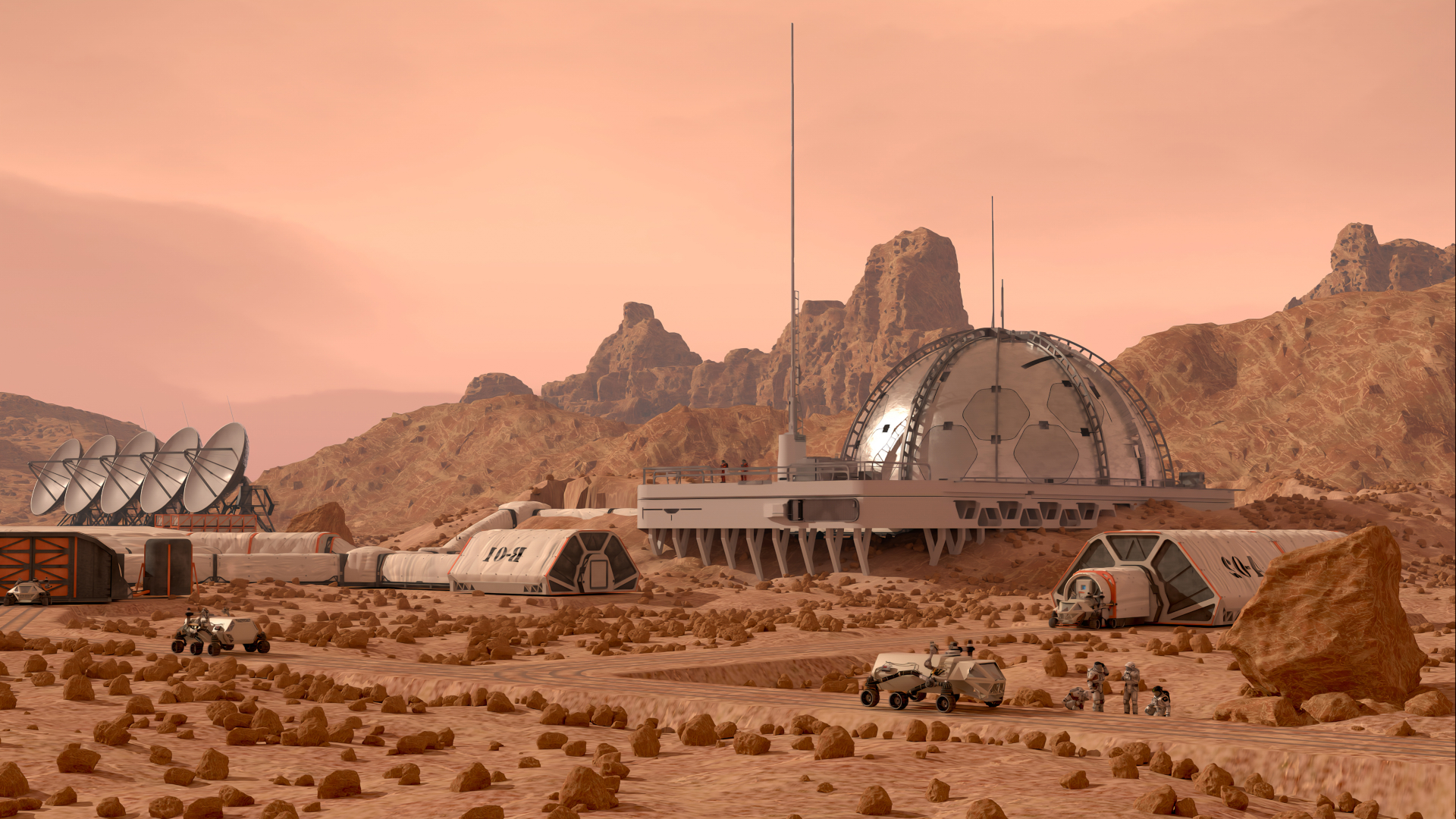
Tellingly, the most credible proposals for long-term Martian bases envision living below the surface or in lava tubes. Surface shelters would need thick layers of soil or engineered materials to block radiation and to provide pressure support. Terraforming Mars so people could walk around without suits would require increasing atmospheric pressure by a factor of almost 200 and changing its composition – a project measured in centuries or millennia, if it is even feasible.
You’d freeze and suffocate without a constant life-support system

Survival on Mars depends on relentless engineering. Habitats must provide breathable air, constant heating, water recycling, and fail-safe power. The Perseverance rover carried MOXIE to demonstrate oxygen production from Martian CO2, but scaling that to support people is a different challenge entirely. Expect closed-loop systems, big batteries or reactors, and redundancy for anything that matters.
Low gravity is not a joyride – it’s a medical unknown

Mars has about 38% of Earth’s gravity. That won’t make you a superhero; it will change your bones, muscles, cardiovascular system and balance. Research from spaceflight shows astronauts lose roughly 1-1.5% of bone density per month in low gravity, and we have virtually no data on what living many years – or being born – in 38% g would do. Artificial gravity solutions exist only in concept. Without robust countermeasures, Martian settlers risk permanent physiological decline.
Farms will look like biotech labs, not fields
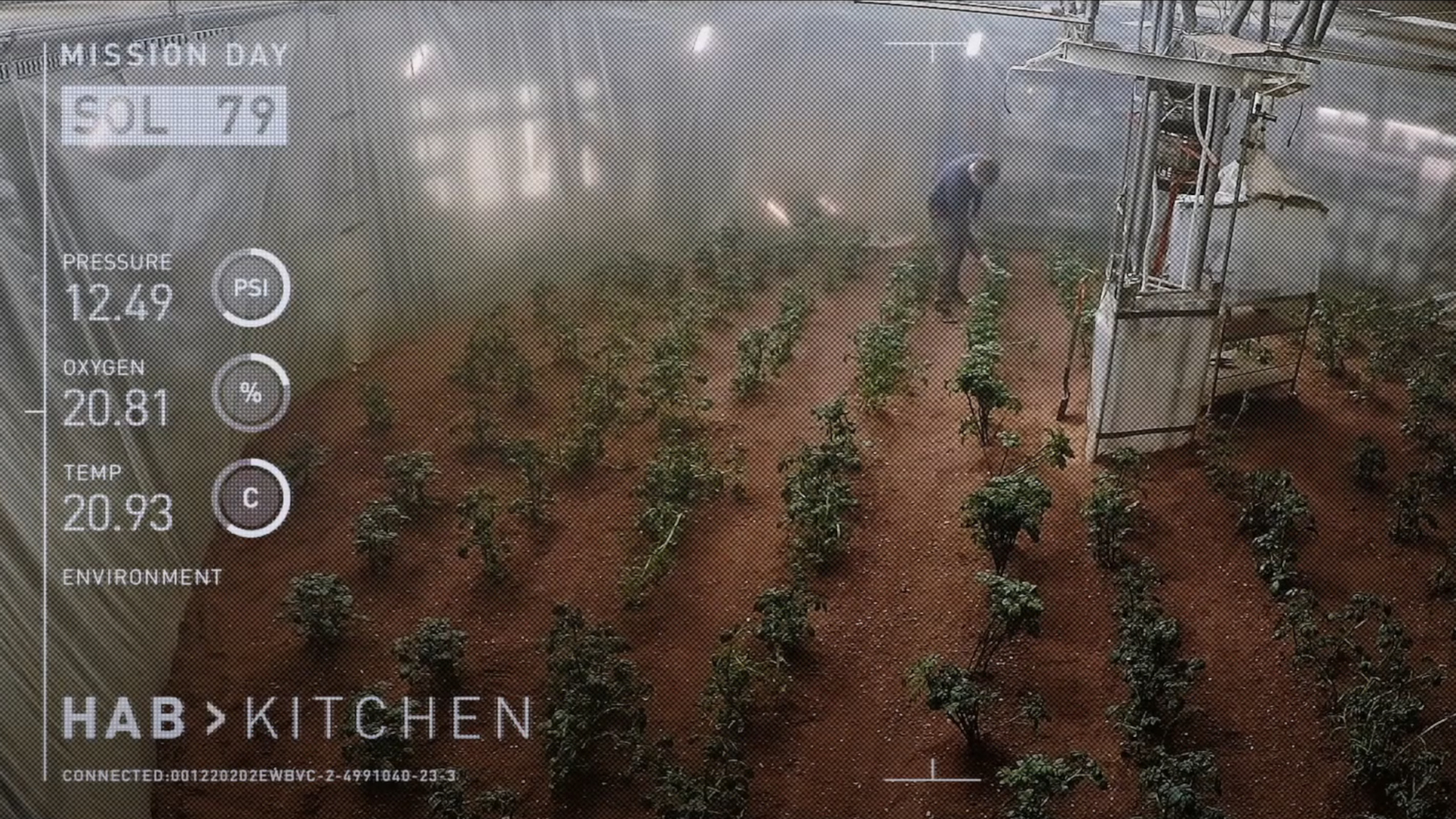
Martian regolith contains perchlorates – toxic salts that make ’dig-and-plant’ fantasies dangerous. Real Martian agriculture will likely rely on hydroponics or aeroponics, tightly controlled nutrient cycles, and soil detoxification using engineered microbes or lengthy chemical processing. Expect sealed grow rooms, not open plots, and a lot of power spent on lights, pumps and filtration.
Psychology and isolation: the quiet, mission-ending risks
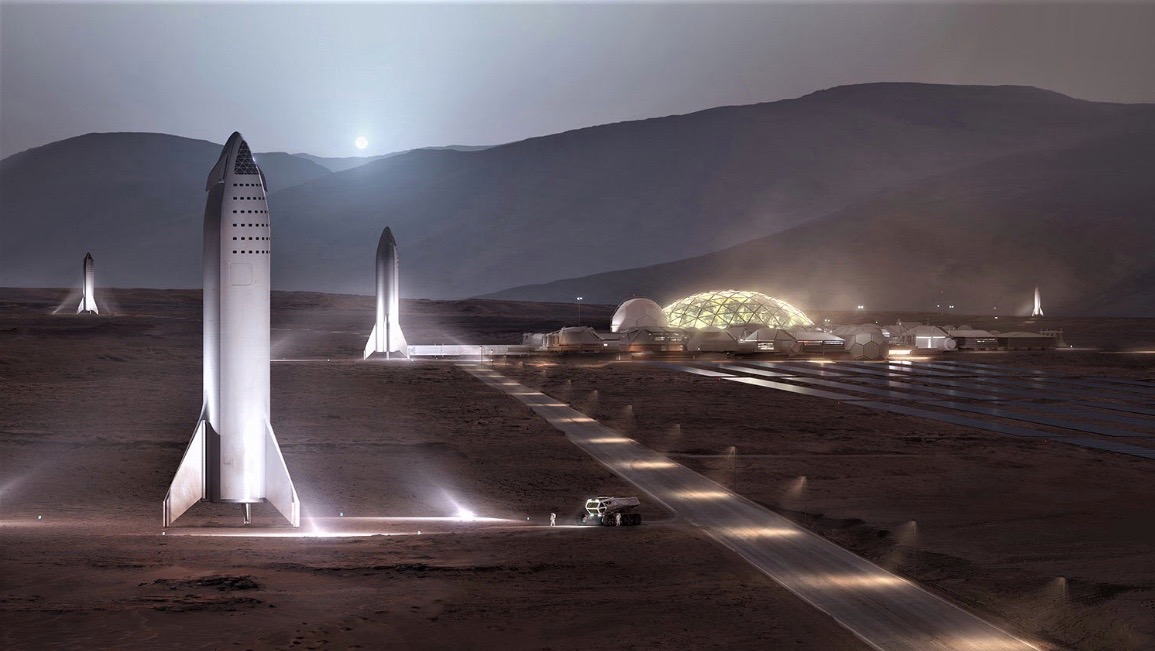
Getting to Mars is only the start. A round-trip mission profile, with surface stays and transfer windows, makes missions measured in years. Analog experiments on Earth underline the human cost: long-duration isolation studies such as Mars500 (520 days) and HI-SEAS show mood, sleep and cohesion problems that grow over time. Add a shrinking Earth in the sky and one-way rescue impossibility, and you have an environment that will test people as much as air and heat do.
Who benefits if we pour resources into Mars?
There are clear winners from a big push to Mars. Aerospace firms, life-support and habitat suppliers, biotech companies working on closed ecology and soil remediation, and firms that build radiation shielding would get lucrative contracts. Science programs seeking long-duration experiments get access to a unique laboratory. Agencies and high-profile private companies gain political capital and public attention.
But the people who imagine cheap settlement, rapid self-sufficiency, or a new nation on another world lose out to hard economics. Early Martian outposts will be expensive, Earth-dependent operations staffed mainly by scientists and highly trained specialists – not pioneers seeking a fresh start.
Lessons from Earth: sealed systems fail unless rigorously designed
History warns us. Biosphere 2 showed that closed ecological systems are fragile and unpredictable. The International Space Station demonstrates that long-term space habitation is possible, but only with continuous resupply and a global support network. Analog isolation programs prove the human mind is a limiting resource. Those precedents suggest the first Martian settlements will be research-driven and tightly controlled, not spontaneous civilian colonies.
What actually needs to happen next
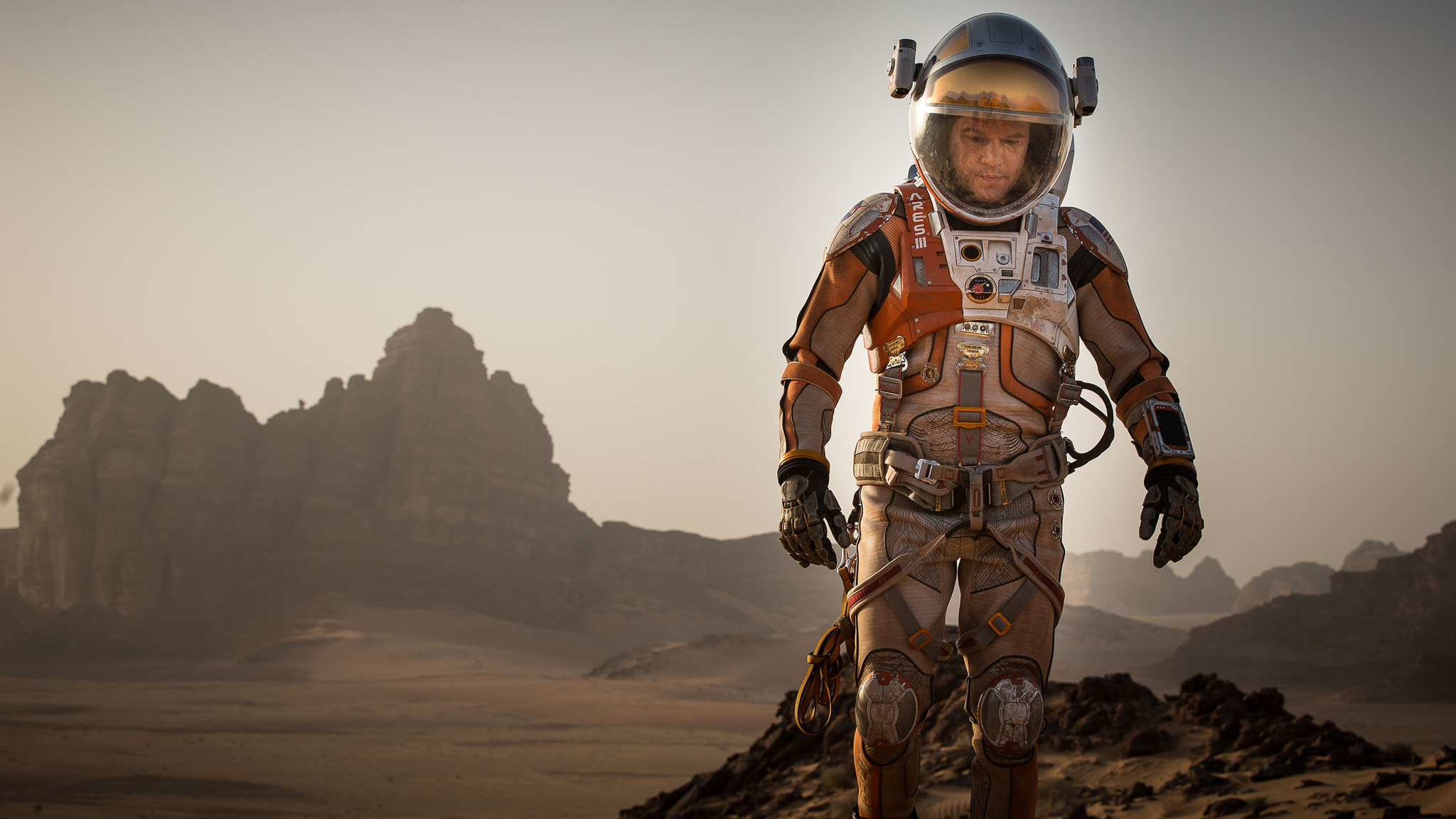
If policymakers and companies want real Martian presence rather than PR, they must fund the hard stuff: reliable, low-mass radiation shielding; scalable closed-loop life-support; robust soil remediation and food-production tech; medical protocols for low-gravity physiology; and long-duration psychological support systems. Moon missions and cis-lunar infrastructure also deserve priority as testbeds – practicing closed habitats and ISRU closer to Earth reduces risk before committing hundreds of billions to a planet-sized gamble.
There are no shortcuts. Mars is not a frontier where a few rugged people and optimism will suffice. It is an engineering and social problem that demands constant attention, money, and humility about what ”living there” will really mean.
Prediction: for the next few decades we will see rotating crews, highly engineered subterranean bases, and continuous supply from Earth. Permanent settlement in the classical sense – self-sustaining towns, open-sky living without suits – remains, for now, a story for science fiction.