

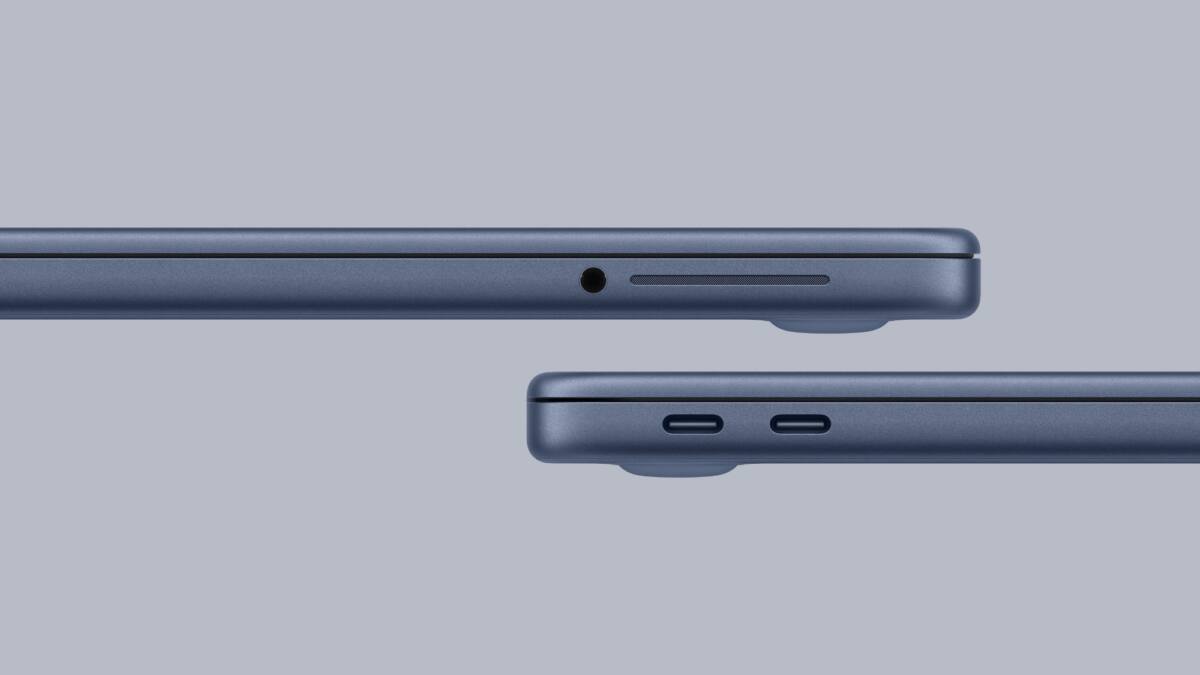
The new MacBook Neo introduces an unusual twist in port design: although it sports two USB-C ports, they are not created equal. The port on the left supports modern USB 3 speeds up to 10 Gb/s and can handle external displays, while the right port, positioned near the trackpad, is limited to the much slower USB 2 speed at 480 Mb/s and cannot drive displays.
This disparity in port capability could easily confuse users, especially since Apple hasn’t labeled the ports to differentiate them. Fortunately, macOS comes to the rescue: if you plug in an external display to the slower right-side port, the system promptly alerts you to switch to the left port. This smart notification helps prevent frustration that might arise from the quiet technical limitation.
Apple has confirmed that the MacBook Neo can support only one external monitor, running at a maximum of 4K resolution and 60Hz refresh rate through the faster left USB-C port. This modest external display support is a reminder that the MacBook Neo targets budget-conscious buyers, trading some connectivity prowess for a lower price point.
Starting at $599 (with a $499 price for college students), the MacBook Neo is powered by Apple’s A18 Pro chip-the first Mac to use a processor that debuted in an iPhone, making it a noteworthy leap for Apple’s chip strategy. Its performance claims include being up to 50% faster than the bestselling Intel Core Ultra 5 PC laptop for everyday work and up to three times faster for on-device AI tasks.
While the MacBook Neo’s price and impressive chip underpinning might attract users, its port asymmetry signals a compromise. The limited and slow right-side USB-C port effectively restricts peripheral options. Since many users now depend on multiple ports for drives, docks, and displays, Apple’s decision to include a USB 2.0 port on modern hardware may feel like stepping backward.
This design choice is reminiscent of fragmented port offerings in earlier Mac models, where some ports supported Thunderbolt and others only USB-C, producing similar confusion. Fortunately, macOS’s real-time warnings address this well, but the solution is software band-aiding a hardware limitation that could have been avoided with clearer labeling or better uniformity in ports.
In the broader market, competitors across Windows laptops are increasingly standardizing on uniform USB-C and Thunderbolt 4 ports, catering to the growing demand for versatile, high-speed connections. Apple’s selective speed approach on the MacBook Neo may undermine its appeal for power users or creative professionals who want straightforward external monitor setups and peripheral compatibility without guesswork.
With the MacBook Neo launching on March 11, buyers who prioritize smooth peripheral connections should weigh whether the lower price tag and chip advantages outweigh the inconvenience of uneven port speeds. Apple’s responsiveness in macOS mitigates the risk but does not eliminate the question of why a slower USB 2 port belongs on a fresh, premium-feeling laptop in 2026.