

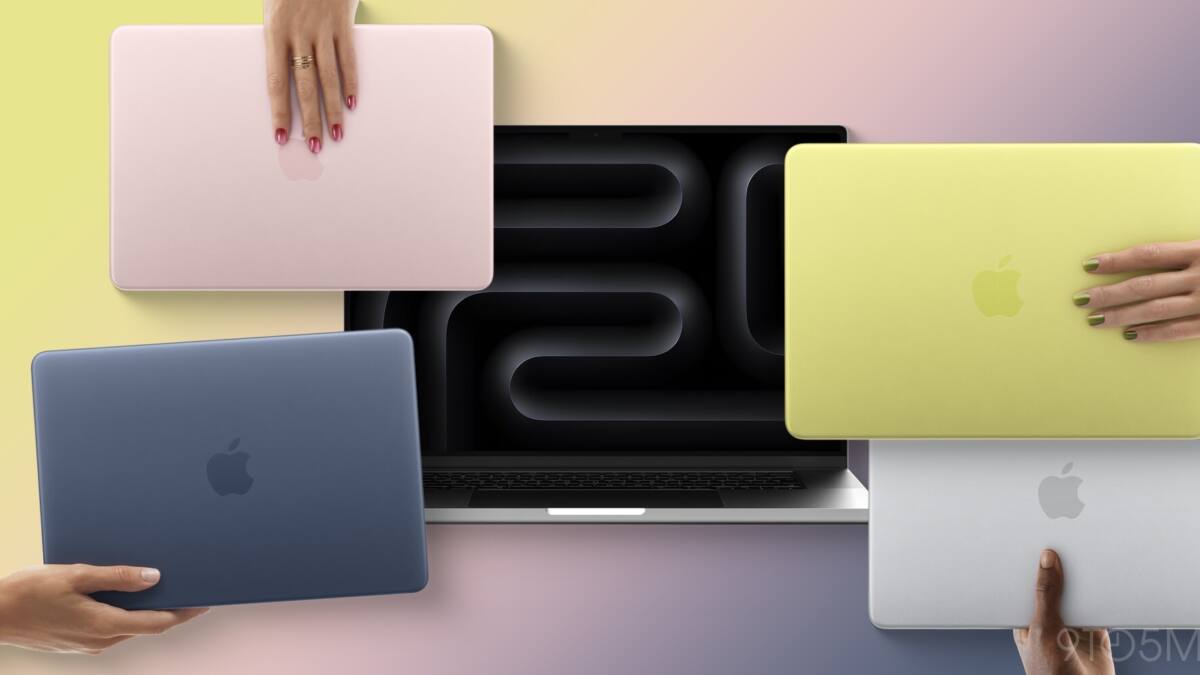
Apple’s new MacBook Neo, priced at an accessible $599, isn’t aimed at high-end users, but its arrival sets the stage for meaningful improvements in the pricier MacBook Pro and MacBook Air lines. By raising the bar for entry-level Macs, Apple may push its premium laptops to innovate faster and offer features that justify their heftier price tags amid growing competition.
The MacBook Neo is presented as the ideal choice for those switching from Windows PCs or Chromebooks, or for first-time buyers who want a full Mac experience without the premium cost. However, its specs and options clearly trail those of Apple’s Air and Pro models, focusing more on affordability and a splash of colorful design than on powerhouse performance or advanced features.
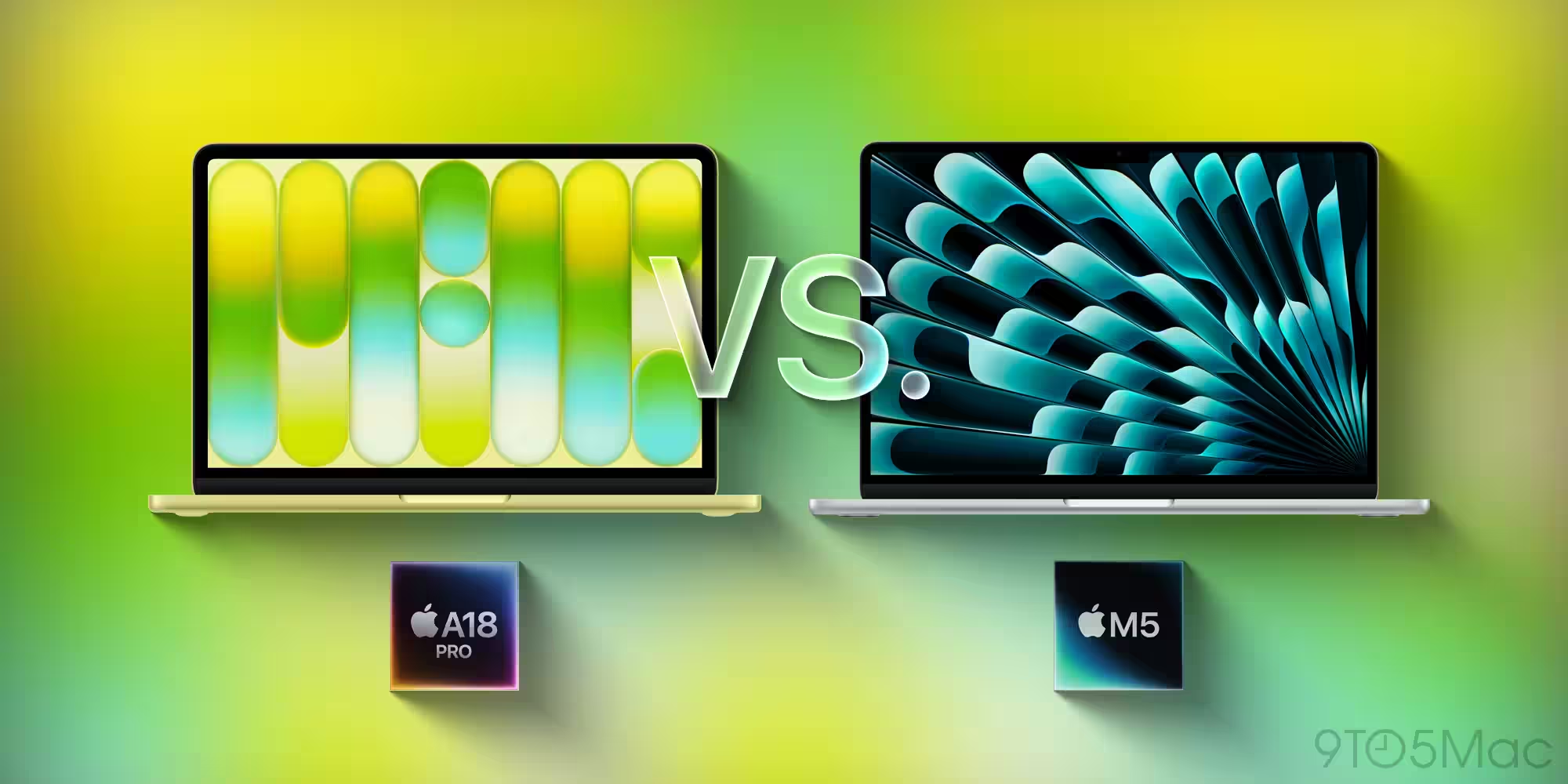
Yet this budget model’s strong value proposition might force Apple to sharpen the pitch for its premium offerings. With the Air starting at $1,099 and the Pro at $1,699, the company will need to add fresh, exclusive features to justify this price gap. That competitive push has historically led to rapid leaps in Apple’s device capabilities, especially for professionals and enthusiasts who demand more.
Industry whispers about the M6 MacBook Pro, expected later this year, hint at exciting new elements like touch-sensitive interfaces, OLED screens, and Dynamic Island integration – features that could redefine how users interact with high-end Macs. These innovations could start a new wave of MacBook upgrades tailored to a professional audience willing to pay a premium for cutting-edge tools.
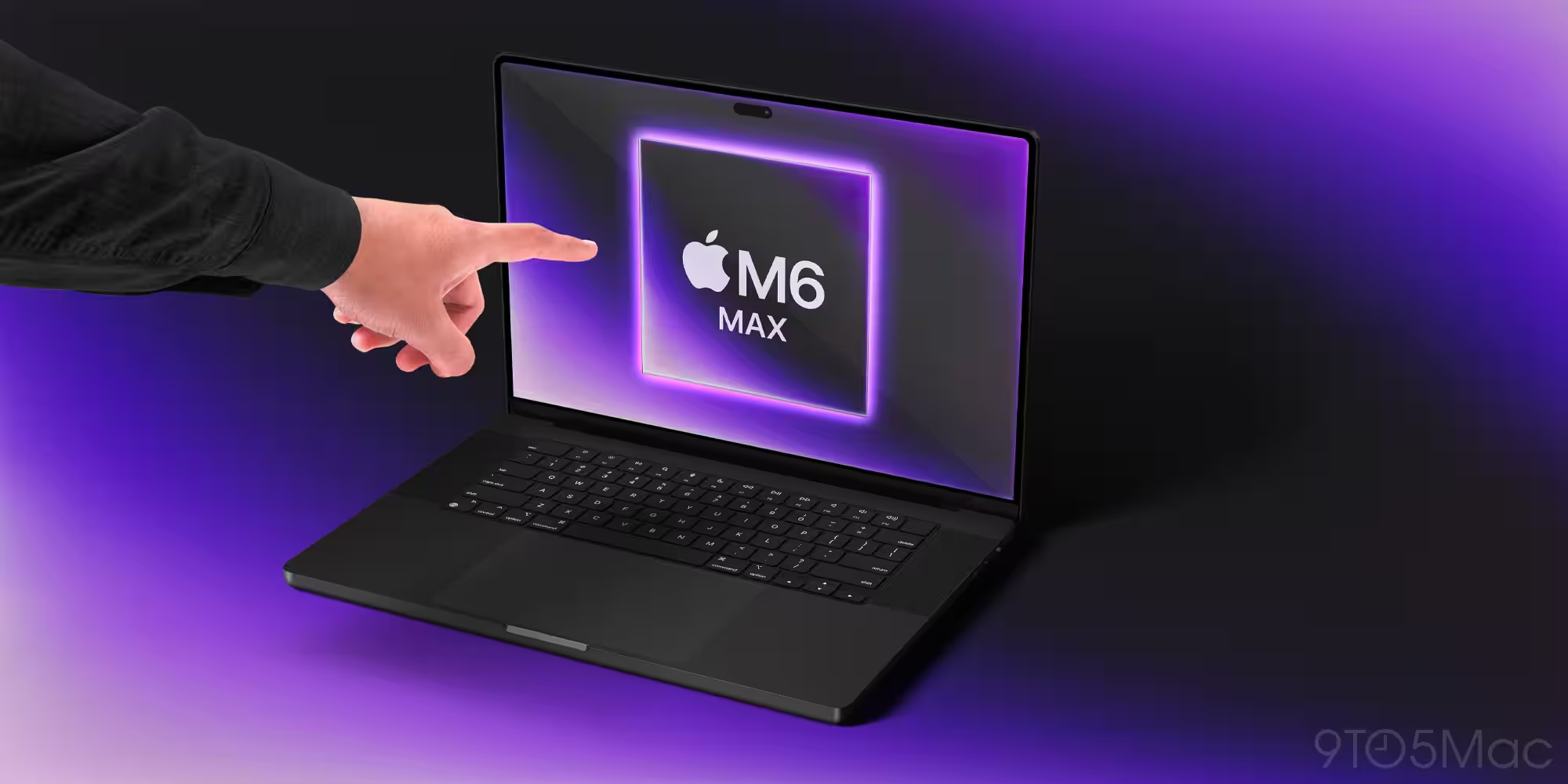
Apple’s pattern of letting flagship devices showcase bold tech before trickling innovation down to entry models seems to be playing out again. The MacBook Neo’s presence may herald a more distinct tiering in Apple’s laptop lineup, where entry points attract newcomers and budget-conscious users, while the higher end pushes hardware and usability boundaries.
Outside Apple, competitors like Microsoft’s Surface and Dell’s XPS series continue to pressure Apple to innovate aggressively, especially around features like touchscreens and display technology. Meanwhile, the MacBook Neo’s introduction might also reflect Apple’s ambition to grab more market share among cost-sensitive buyers who might otherwise look to rival ecosystems.
In practice, this means every Mac buyer stands to benefit from the MacBook Neo’s arrival-even if it’s not their go-to device. As the entry-level Mac gets smarter and more compelling, Apple is incentivized to make the MacBook Air and Pro more enticing through meaningful advancements. Watching how this dynamic unfolds over 2026 will be key to understanding Apple’s Mac strategy going forward.