

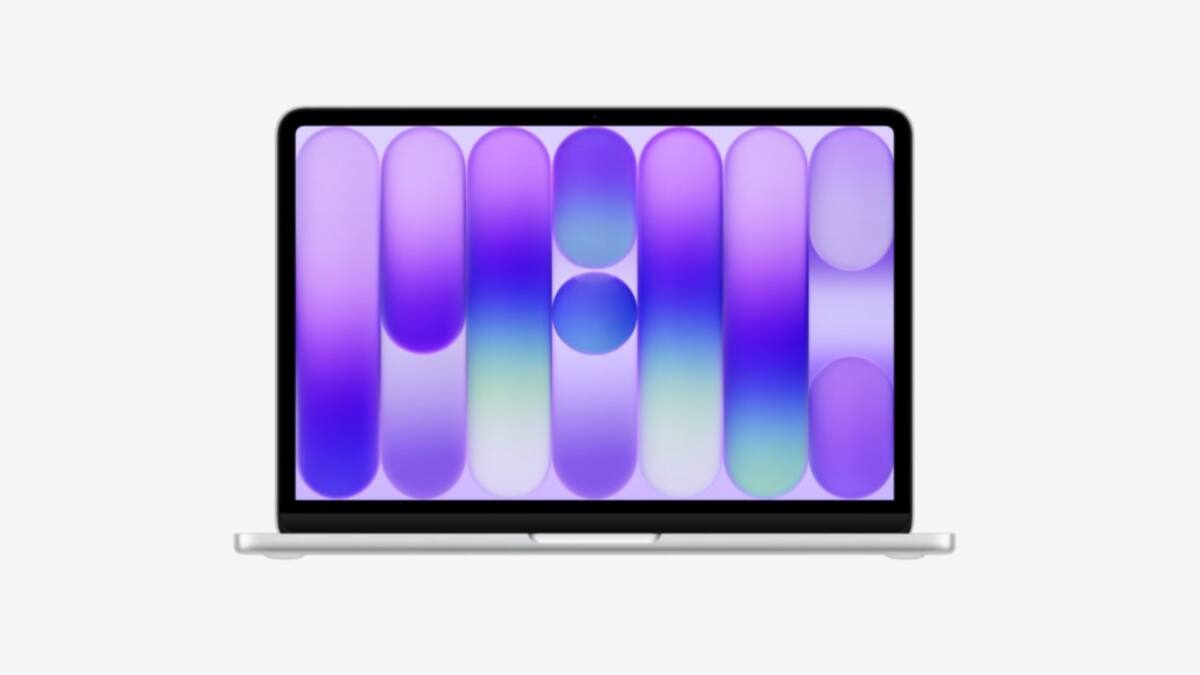
Apple’s launch of the MacBook Neo shakes up its lineup by delivering solid performance and style at a surprisingly accessible price point of $599, or $499 for students. This model isn’t designed to lure away existing MacBook Air or Pro users. Instead, it’s clearly aimed at a broader audience-especially iPhone users who have traditionally found Macs financially out of reach and opted for PCs or Chromebooks instead.
Thanks to Apple’s tightly integrated hardware and software, the MacBook Neo manages to feel like a premium product despite its low cost. It offers a compelling option for everyday computing-web browsing, streaming, messaging, and email-tasks most users perform daily without needing the extra heft or price of the MacBook Air or Pro. Priced far lower than prior entry-level Macs, the Neo could open the door for many to experience macOS without the long-standing price barrier.
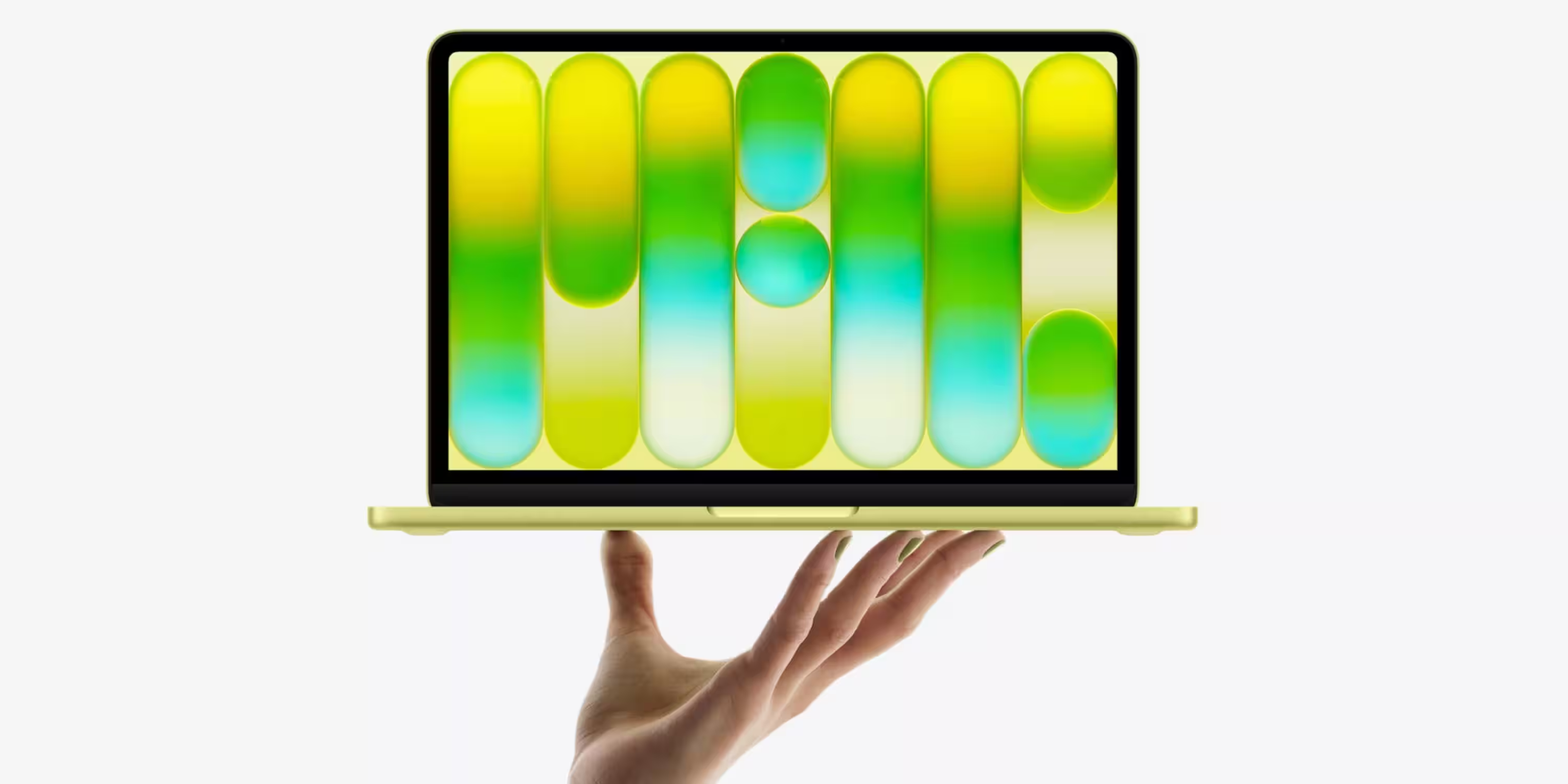
The strategic slashing of price, combined with playful color options, signals Apple’s intent to capture the attention of users who value affordability and personality. While ultra-cheap Windows laptops may still undercut the Neo, Apple’s polished user experience, robust app ecosystem, and hardware-software synergy make this $100 premium over budget PCs a potentially easy sell.
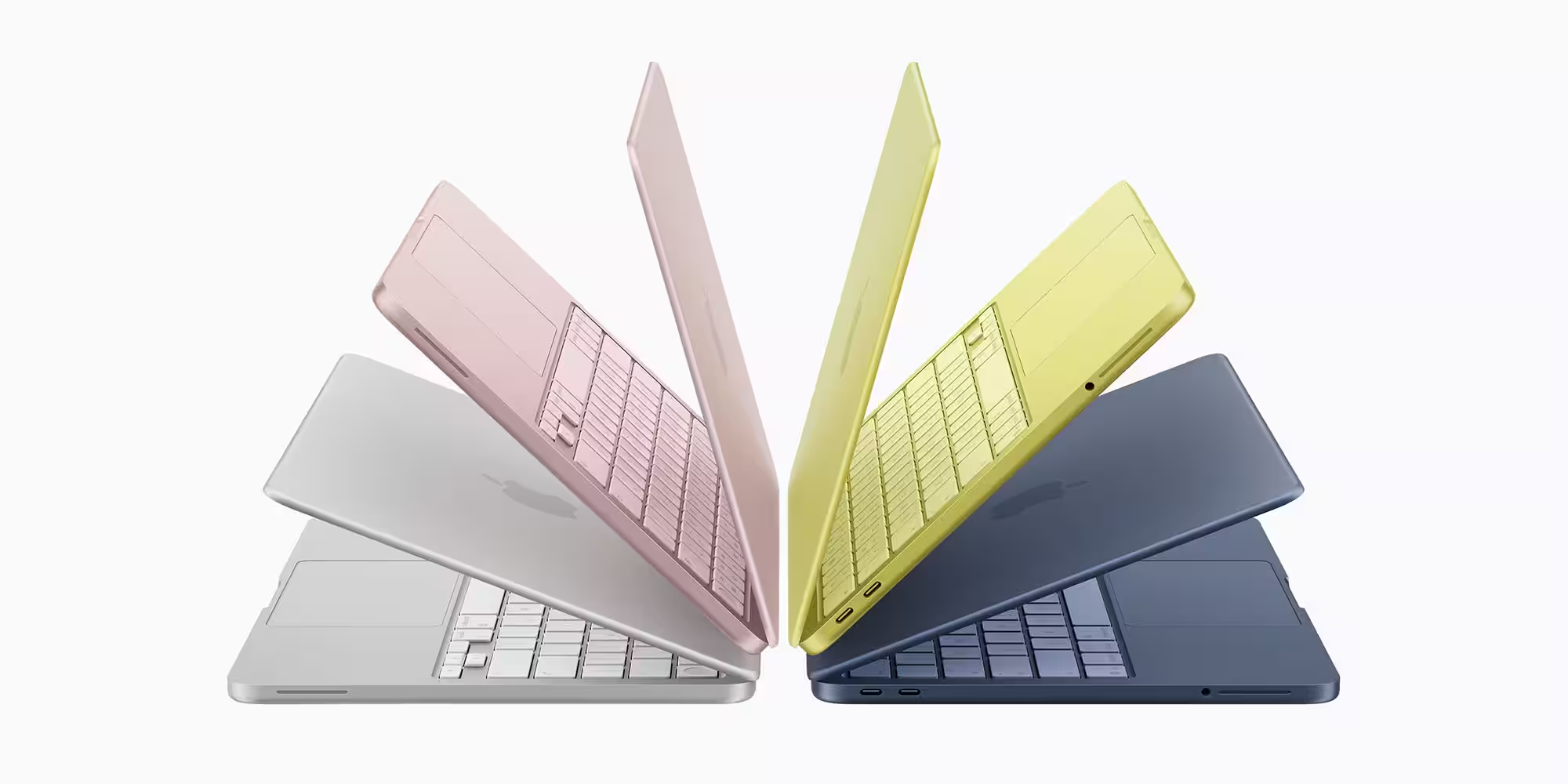
Historically, Apple has avoided producing ”cheap” Mac products to protect its premium brand image. But the Neo illustrates how Apple silicon’s efficiency and integration allow Apple to rethink this stance without compromising quality. For users who don’t require the more advanced features of MacBook Air or Pro-like intensive video editing or software development-the Neo delivers ”good enough” performance wrapped in Apple’s iconic design and ecosystem.
This move fits into a growing trend where Apple nudges to capture budget-conscious users in emerging markets or among younger demographics. It also reflects an implicit acknowledgment that price sensitivity remains an Achilles’ heel for Mac adoption globally, especially outside the US. By raising the floor for Mac accessibility, Apple might just broaden its user base significantly.
Whether the MacBook Neo convinces hesitant PC users to switch will depend on how it handles real-world workloads and how Apple supports the model over time. Its arrival also raises questions about how Apple will position its lineup going forward. Will the Neo gradually replace the traditional entry-level Air, or coexist as a supplemental option to entice fresh users from rival platforms? The strategy will be worth watching.