

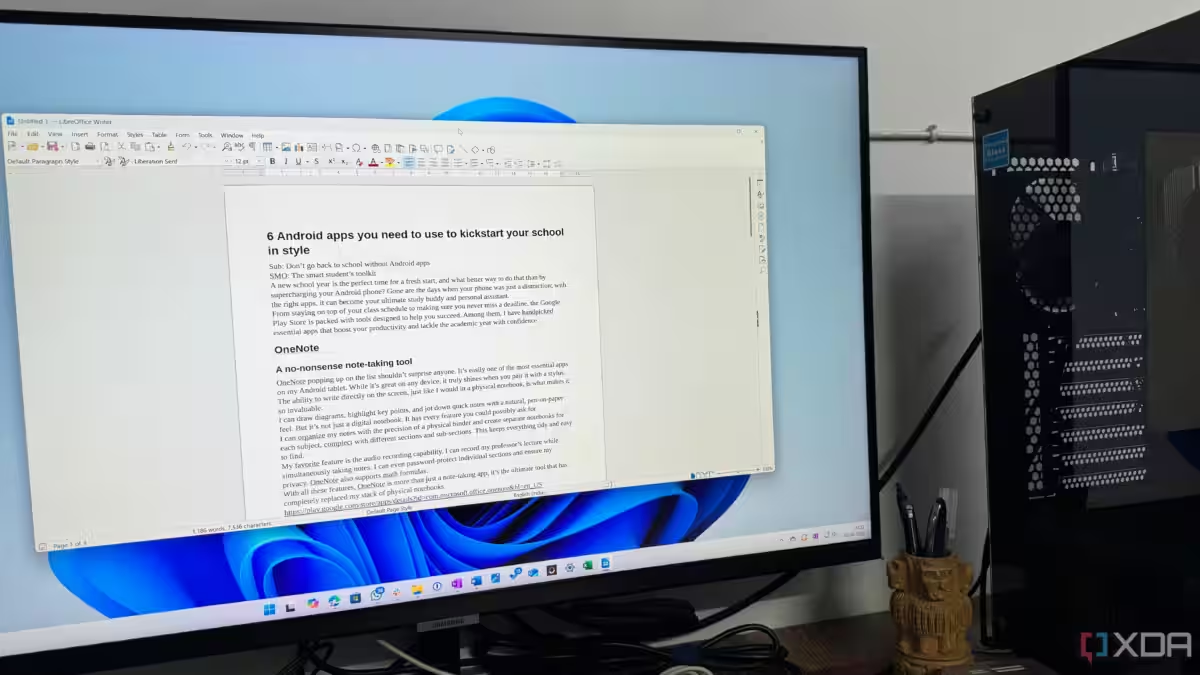
LibreOffice is back to building an online version – but not as a hosted service. The Document Foundation (TDF) has reopened the project after a 2022 freeze, and its chosen route is intentionally old-school: release the code and tools so organisations and hobbyists can run their own servers. That decision neatly sidesteps two thorny problems at once – competing with a commercial LibreOffice derivative and taking on the costs and liabilities of running a public cloud – but it also guarantees the revived project will remain a niche play for people who like to self-host.
The background is simple. In 2022, the community voted to put LibreOffice Online on ice amid worries it would encroach on Collabora Online – a commercially supported office-in-the-browser offering built from LibreOffice code and maintained by one of LibreOffice’s largest contributors – and concerns about what running an official TDF-hosted cloud would mean financially and operationally. A new vote earlier this year revoked that freeze, and the board has signalled a restart with a clear caveat: The Document Foundation will not operate servers for the project.
Now the work begins. We plan to reopen the repository for LibreOffice Online at The Document Foundation for contributions, but provide warnings about the state of the repository until TDF’s team agrees that it’s safe and usable – while at the same time encourage the community to join in with code, technologies and other contributions that can be used to move forward. We will actively work with the community to identify how to foster LibreOffice Online, including its technological basis, QA and marketing.
The Document Foundation
That paragraph is the project’s new mission statement in a nutshell: code-first, community-driven, and explicitly self-hosted. For privacy-focused organisations, governments wanting software sovereignty, and hobbyists who run their own infrastructure, that’s the best possible version of the project. They get a LibreOffice-based web editor they control, without depending on a third party.
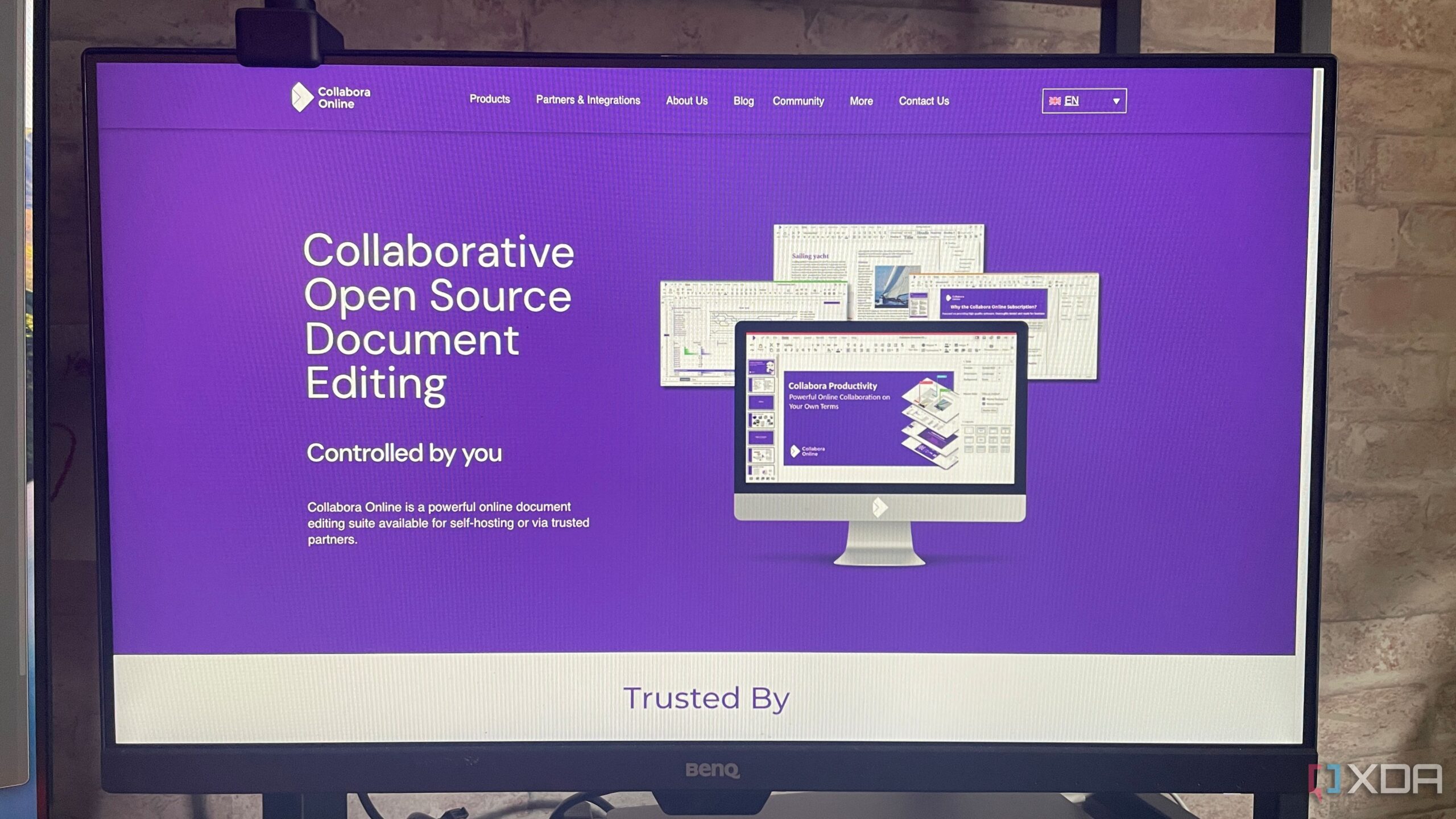
Who benefits and who doesn’t? The winners are obvious: privacy-aware deployments (self-hosted instances of Nextcloud and similar platforms), public sector IT teams with procurement rules that favour open-source stack control, and community contributors who want to shape the product without corporate steering. Collabora, meanwhile, largely avoids a direct threat: its business model is selling hosted or supported versions to enterprise customers, and a community project that provides install-it-yourself tools doesn’t directly undercut that.
Losers are the casual users and small organisations that want the simplicity of a managed cloud service. They’ll still need to choose between commercial hosted suites like Google Workspace and Microsoft 365, or pay a vendor to install and maintain a self-hosted LibreOffice Online instance. Expect a chunk of potential users to pick convenience over control.
Why TDF chose this route
The decision is pragmatic. Running public infrastructure is expensive and requires continuous operational maturity: uptime guarantees, security patching, abuse mitigation, and support. TDF lacks the recurring-revenue model that would sustain that. By reopening the repository while adding a prominent stability warning, the foundation transfers hosting responsibility – and cost – back to users and integrators. It also avoids a political fight with a major contributor that could have been framed as unfair competition.
There’s another, less spoken benefit: this model plays to the strengths of open-source communities. When a project is made available primarily as software rather than a service, it invites diverse maintainers, commercial integrators, and downstream vendors to build their own offerings on top of it.
That’s how Collabora itself grew: commercial vendors package, support, and sometimes extend LibreOffice for customers who don’t want to manage upstream code themselves. LibreOffice Online as a safe-to-run distribution could become the upstream that others repackage for production use.
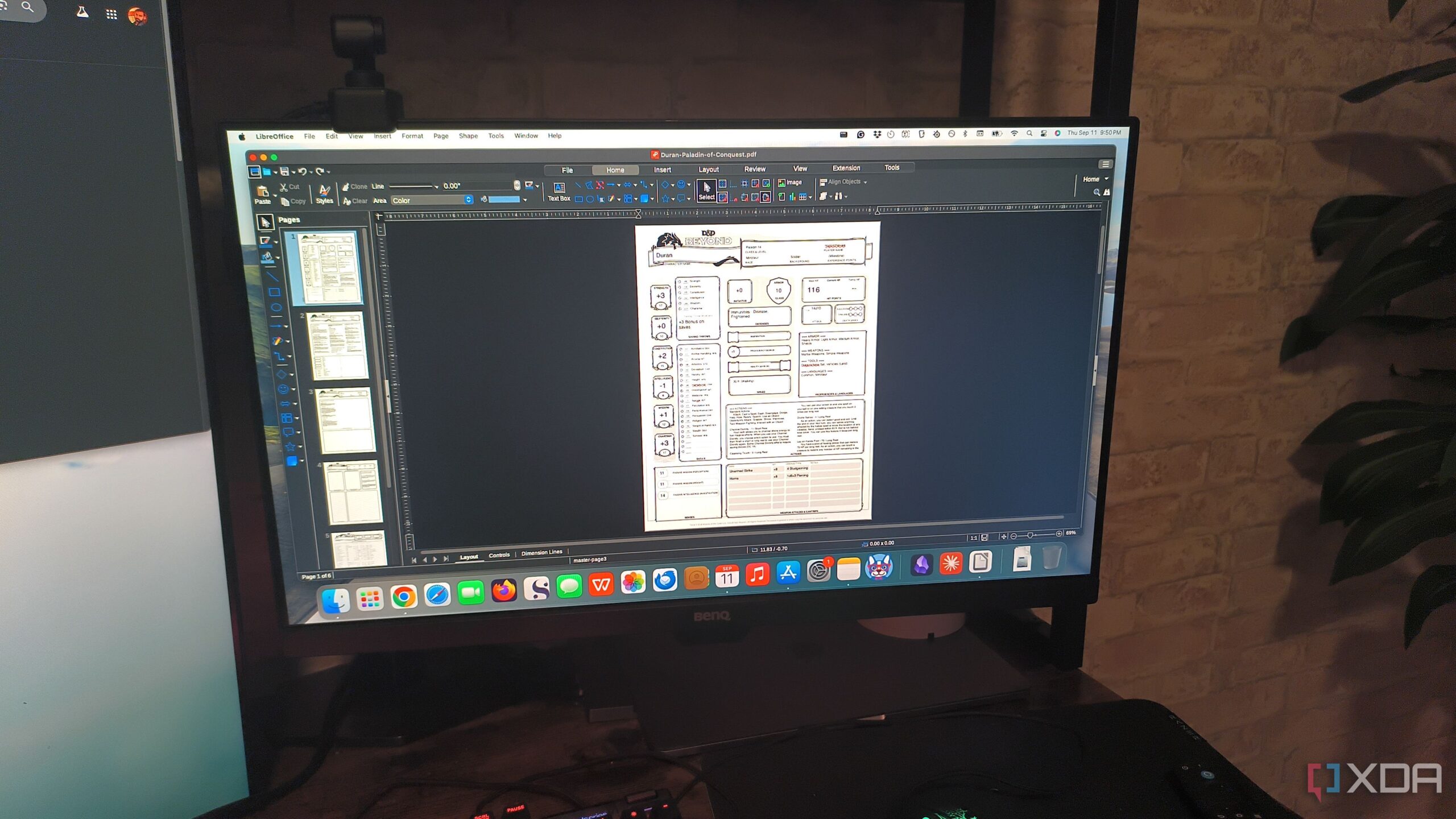
What needs to happen next
Code alone won’t win users. The project needs: better documentation for deploying and upgrading, a clear QA and security process, packaging for popular server stacks, and reference integrations with platforms like Nextcloud.
Contributions will be decisive. If independent vendors and community members step up with packaging, continuous integration (CI), and commercial support offerings, the revived LibreOffice Online could become the canonical upstream for self-hosted web editing. If not, the codebase risks stagnation while others – commercial or open-source – fill the production-ready niche.
Verdict and outlook
This is a sensible compromise. TDF avoids the pitfalls of running a cloud service and the political heat of competing with a major contributor, while giving back something the community has increasingly asked for: a path to software sovereignty. But don’t expect a mass migration off Google or Microsoft because of this. The revived project will matter most where control, privacy, or regulatory compliance matter – and only if the community builds the operational glue that turns code into a dependable service.
For people who enjoy tweaking servers, it’s an invitation. For everyone else, it’s a reminder: owning your software often means owning the work of keeping it running.