

- Yoga Pro 7a: A 15-inch convertible with AMD Ryzen AI Max+ processors and up to 128GB RAM, priced at $2,099 (August release).
- Legion 7a: Lightweight 15-inch gaming laptop featuring an OLED screen and AMD Ryzen AI Max+ chips, launching in July for $2,299.
- IdeaPad Slim 5i Ultra: A thin 14-inch laptop with Intel Ultra Core processors, coming this October for $799.
- Yoga Slim 7i Aura Edition: A portable 14-inch laptop focusing on battery life, $1,449, arriving in April.
- IdeaPad Slim 3i: Budget 17-inch laptop with Intel Core processors, available in October for $599.
- Idea Tab Pro Gen 2: Premium 13-inch Snapdragon 8s tablet with detachable keyboard, $419 (July).
- Legion Tab: 8.8-inch gaming tablet with Snapdragon 8 Elite Gen 5 chipset and 165Hz 3K display, launching in May for $849.
- L16 Mobile Monitor: Portable 16-inch 1200p display (pricing and exact release TBD).
- Yoga Wireless Webcam Concept: A 4K AI-enabled wireless webcam with real-time video editing, geared for Yoga laptops.
Enterprise customers also see a surge of new options, with revamped ThinkPad T-Series models sporting improved repair scores and better speakers, plus an optional 5MP camera for hybrid work setups. Lenovo’s ThinkTab X11 Android tablet answers durability with a rugged MIL-STD-810H certified design and removable battery, aimed at demanding work environments.
- ThinkPad T14 Gen 7 and T16 Gen 5: Business laptops with Intel and AMD Ryzen AI Pro processors, launching Q2 2026 at $1,799.
- ThinkPad T14s Gen 7: Lenovo’s lightest T-Series laptop ever (2.43 lbs) with a 9/10 iFixit repair score, starting at $1,899 (Q2 2026).
- ThinkPad T14s 2-in-1 Gen 2: Convertible with garaged stylus, shipping Q2 2026 for $1,849.
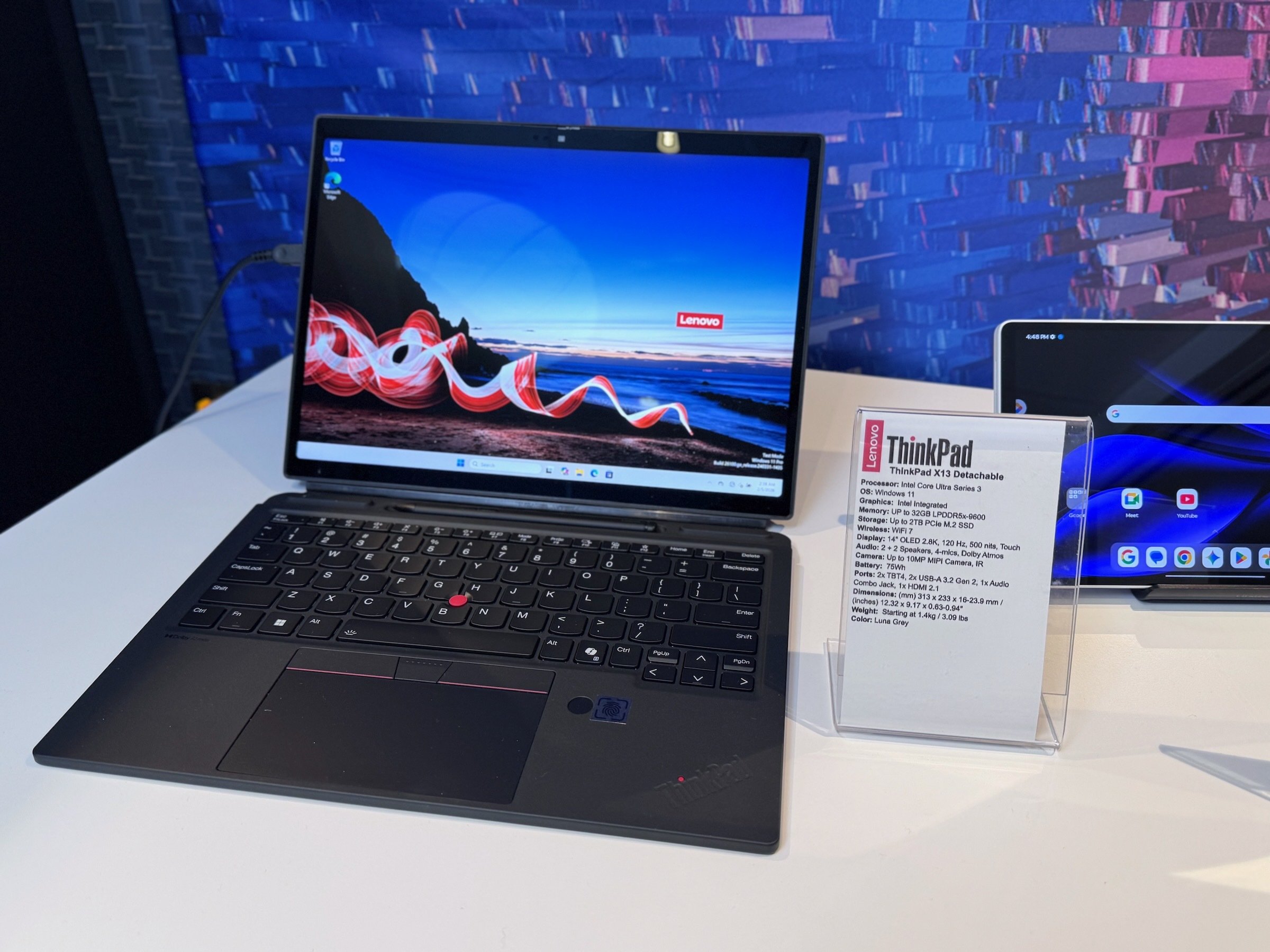
- ThinkPad X13 Detachable: 13-inch convertible with up to 64GB RAM and recharging stylus, arriving Q3 2026 at $1,999.
- ThinkBook 14 2-in-1 Gen 6: Hybrid laptop with an attachable emoji-style AI companion called Magic Bay Tiko, available Q2 2026 for $1,754.
- ThinkTab X11: Rugged Android tablet with removable battery, $499 in Q2 2026.
- ThinkVision M16: 16-inch portable monitor with portrait and landscape modes, $259, releasing Q3 2026.
Two tabletop AI assistants aim to pioneer new desk dynamics
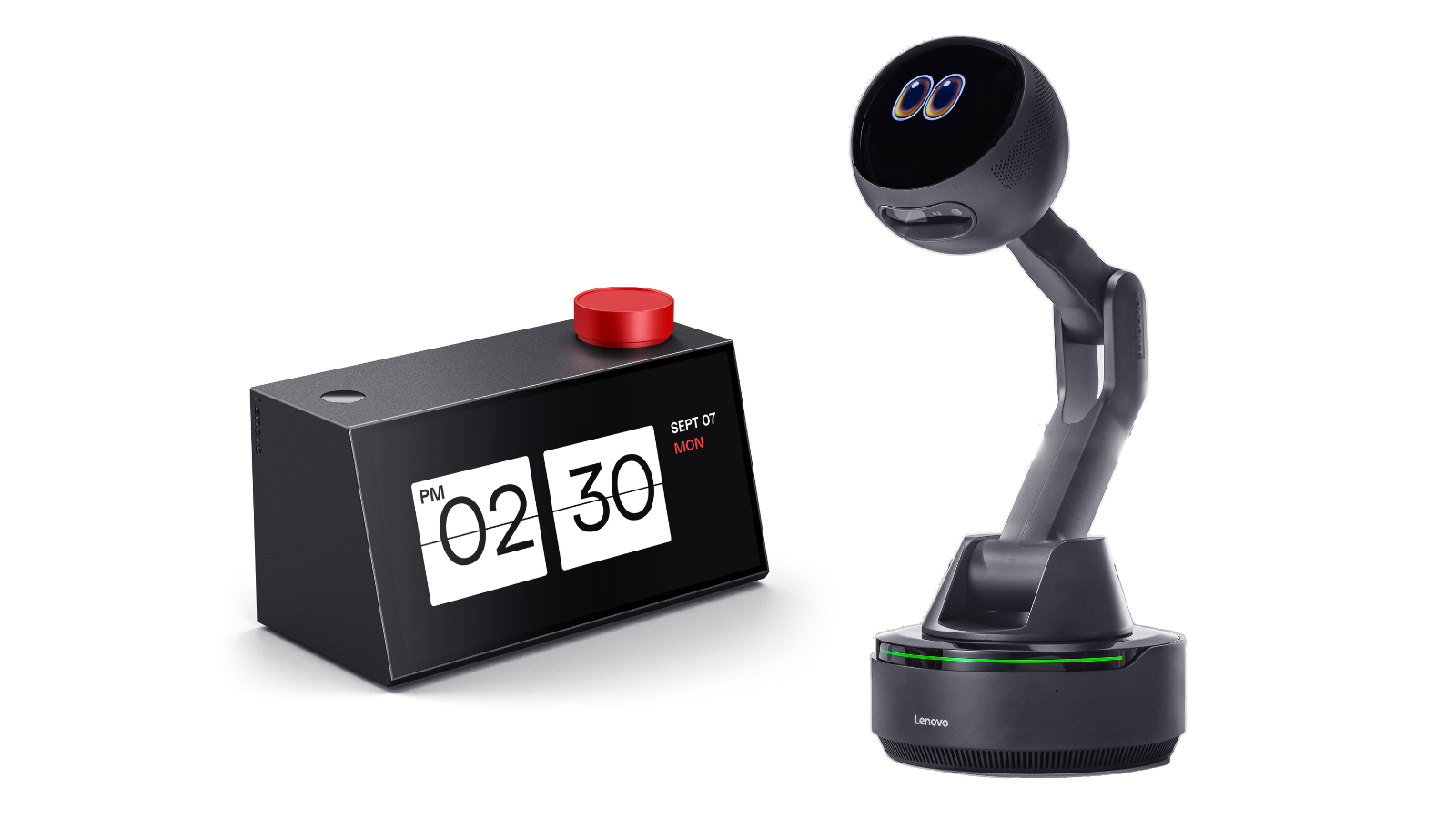
Lenovo’s exploration of AI extends beyond software into physical companions for the workspace. Its AI Work Companion is a discreet, clock-like device that syncs calendars and tasks across devices, nudging users toward balanced schedules and break reminders to fight burnout. The AI Workmate ups the ante with voice, gesture, and spatial interactions, local AI processing, and the ability to scan, summarize, and project documents-complete with charming emoji-like eyes that give it a personality.
This move to flesh out AI’s role into tactile, ambient forms reflects a larger industry trend where AI assistants seek to integrate more fully with daily work rhythms. Whether these prototypes will become consumer products remains uncertain, but Lenovo’s commitment to exploring new interaction models is clear.
Across consumer gadgets, business-focused devices, and visionary concepts, Lenovo’s MWC 2026 presence highlights a company balancing incremental improvements with bold experiments. Its focus on modularity, repairability, and AI companions suggests it views adaptability and personalized workflows as essential, even as it caters to the raw performance demands of gamers and creators. It remains to be seen which concepts will cross the threshold from prototypes to production, but Lenovo’s showcase keeps the conversation about the future of laptops and workspace tools refreshingly wide open.
This year at Mobile World Congress in Barcelona, Lenovo showcased an ambitious mix of concept devices and practical releases, underscoring its expansive vision beyond traditional laptops. Among the highlights were six striking concept products, including a foldable gaming handheld and a glasses-free 3D laptop, alongside a fresh wave of consumer and business hardware that signals Lenovo’s push into modular design, AI integration, and enhanced device longevity.
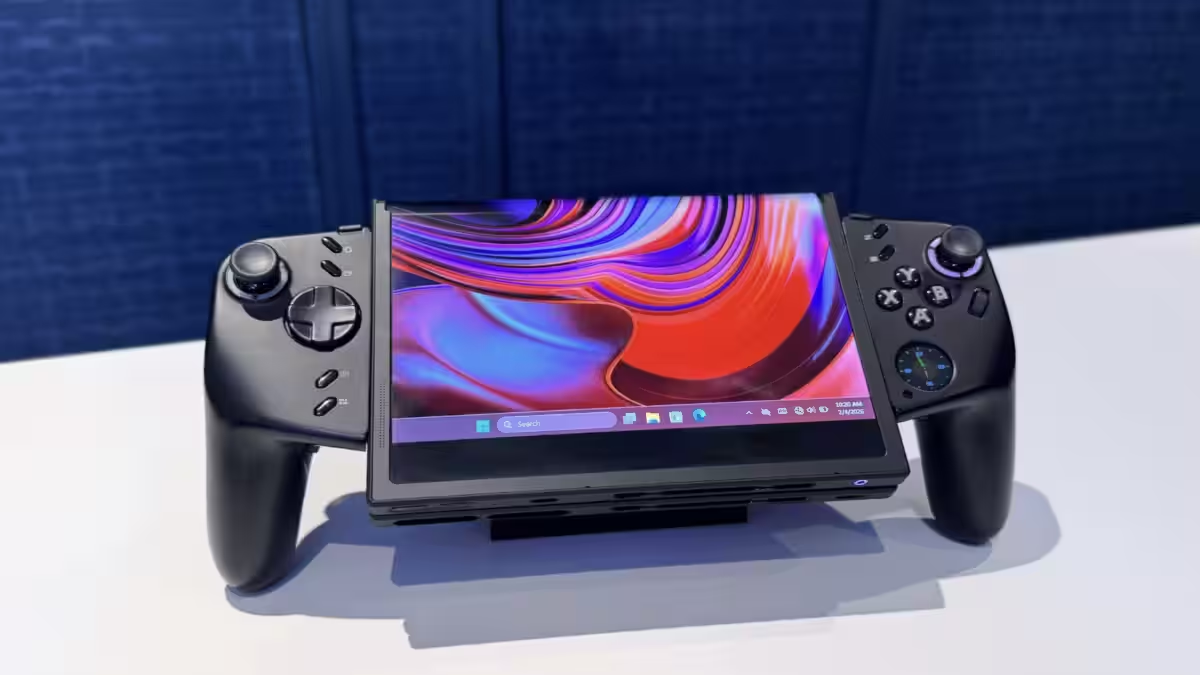
Building on its strong showing at CES earlier this year, Lenovo augmented its 2026 product roster with a range of devices aimed at different markets-from gamers and creators to enterprise users. The unveiling of the Legion Go Fold concept-a gaming handheld that flips into a larger display and can convert into a compact Windows laptop-exemplifies Lenovo’s flirtation with hybrid form factors designed for on-the-go multitasking.
A foldable gaming handheld that doubles as a laptop
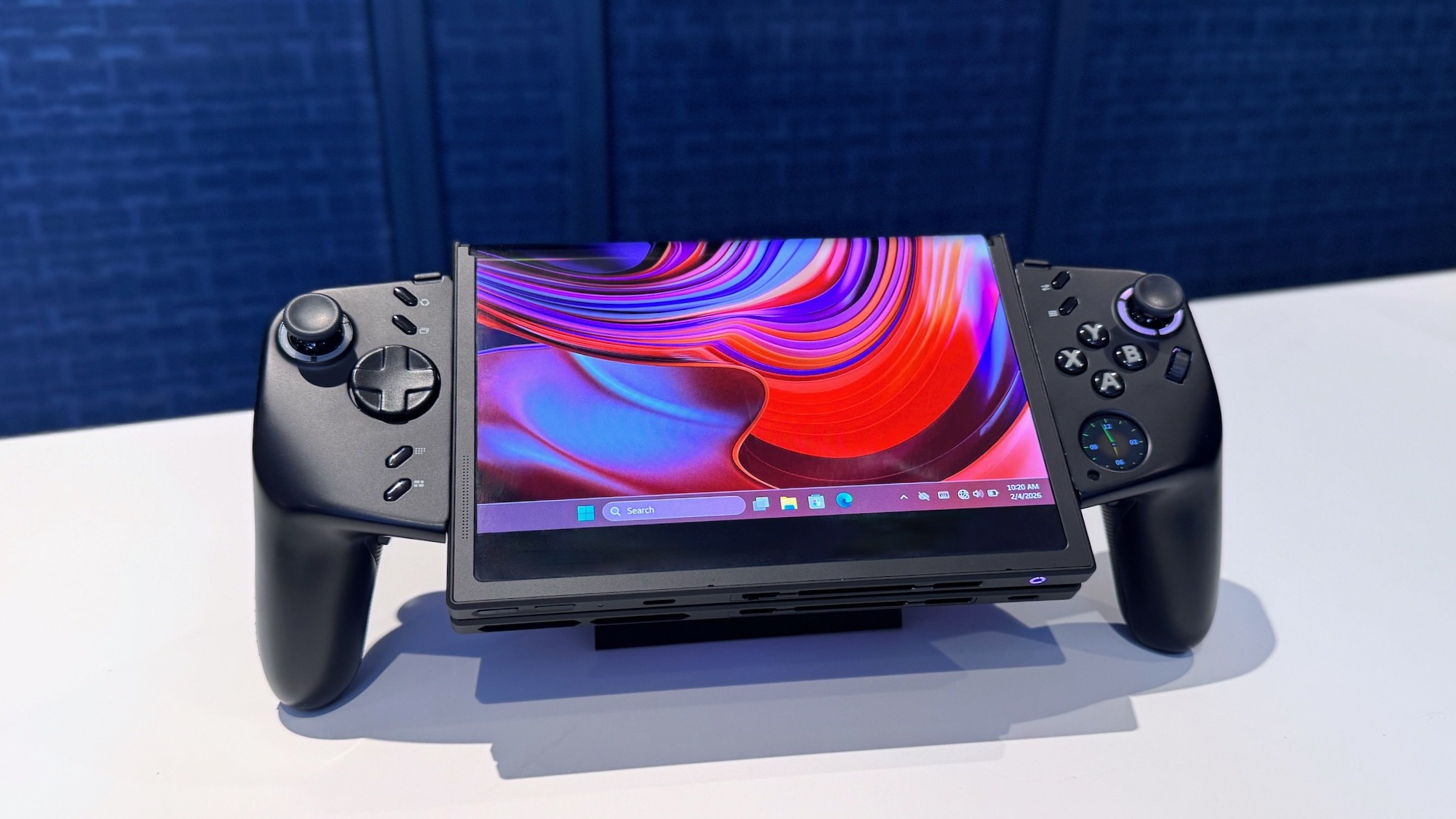
The Legion Go Fold expands from a 7.7-inch POLED screen to an 11.6-inch display that can be oriented horizontally or vertically, pairing this with a detachable wireless keyboard that transforms the handheld into a clamshell laptop. Internally, it packs an Intel Lunar Lake processor and up to 32GB of RAM, delivering respectable power for gaming and productivity. While it remains a concept for now, Lenovo revealing specs so early hints at a serious interest in this hybrid direction.
Glasses-free 3D and modularity take center stage
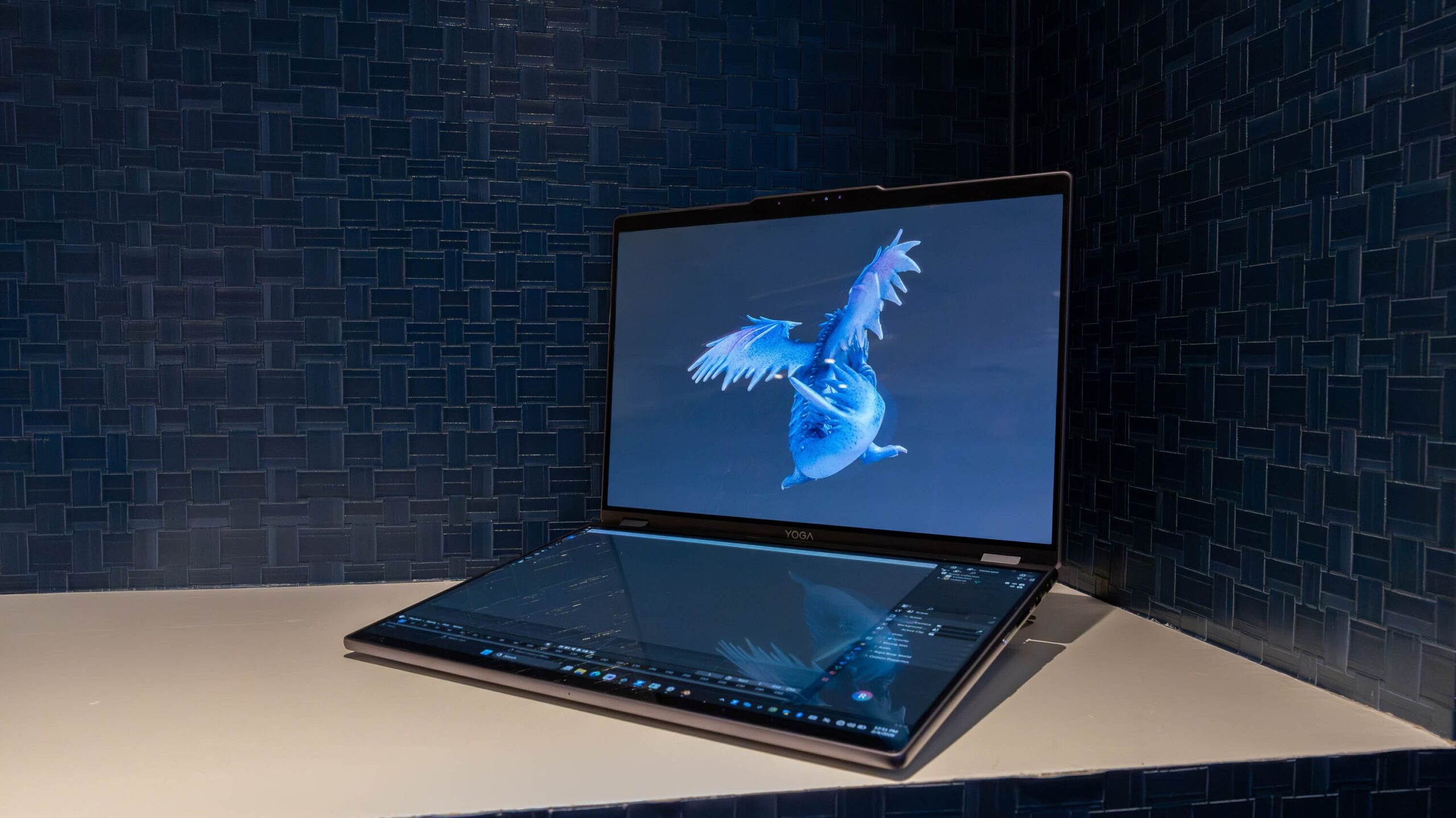
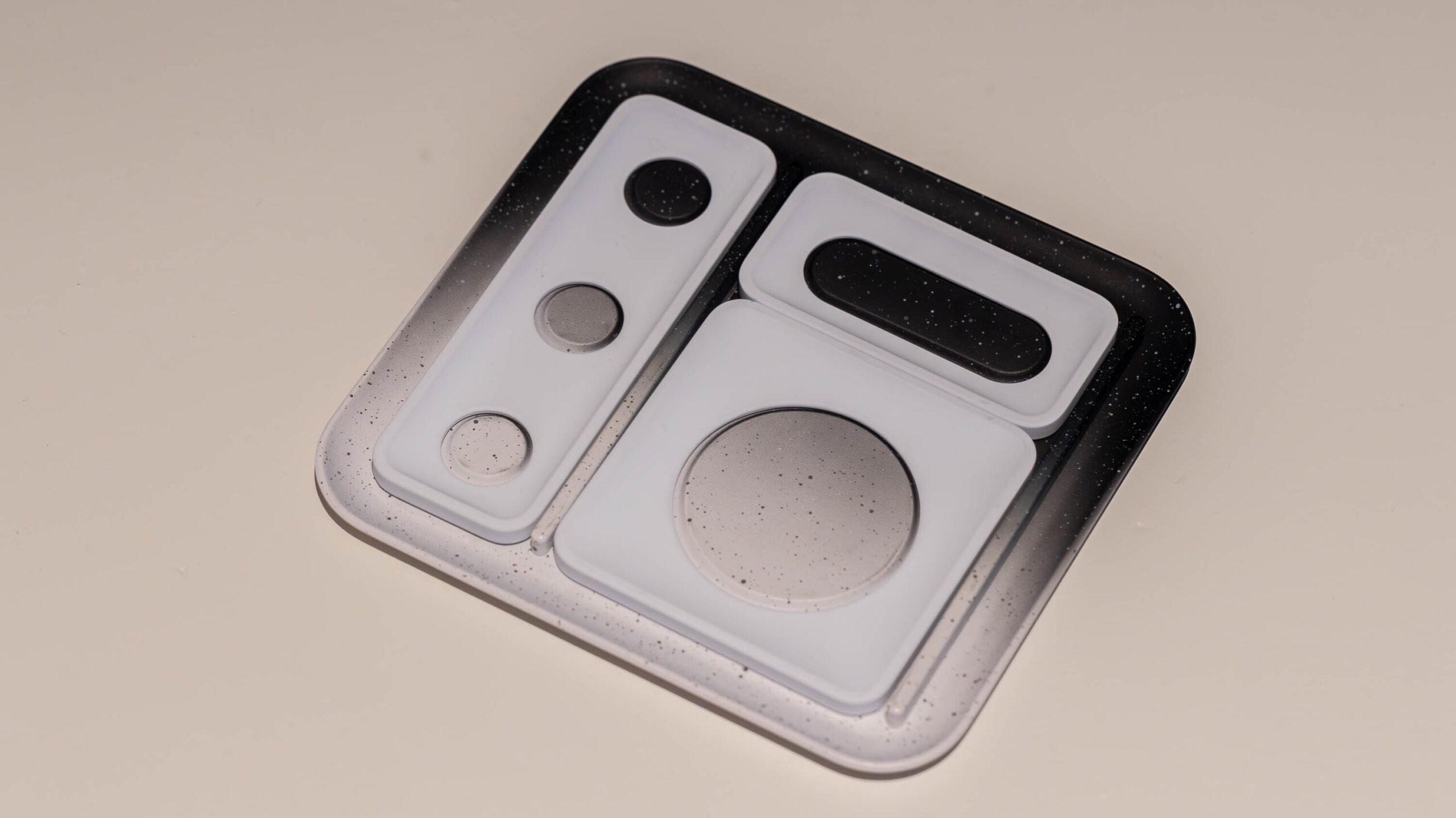
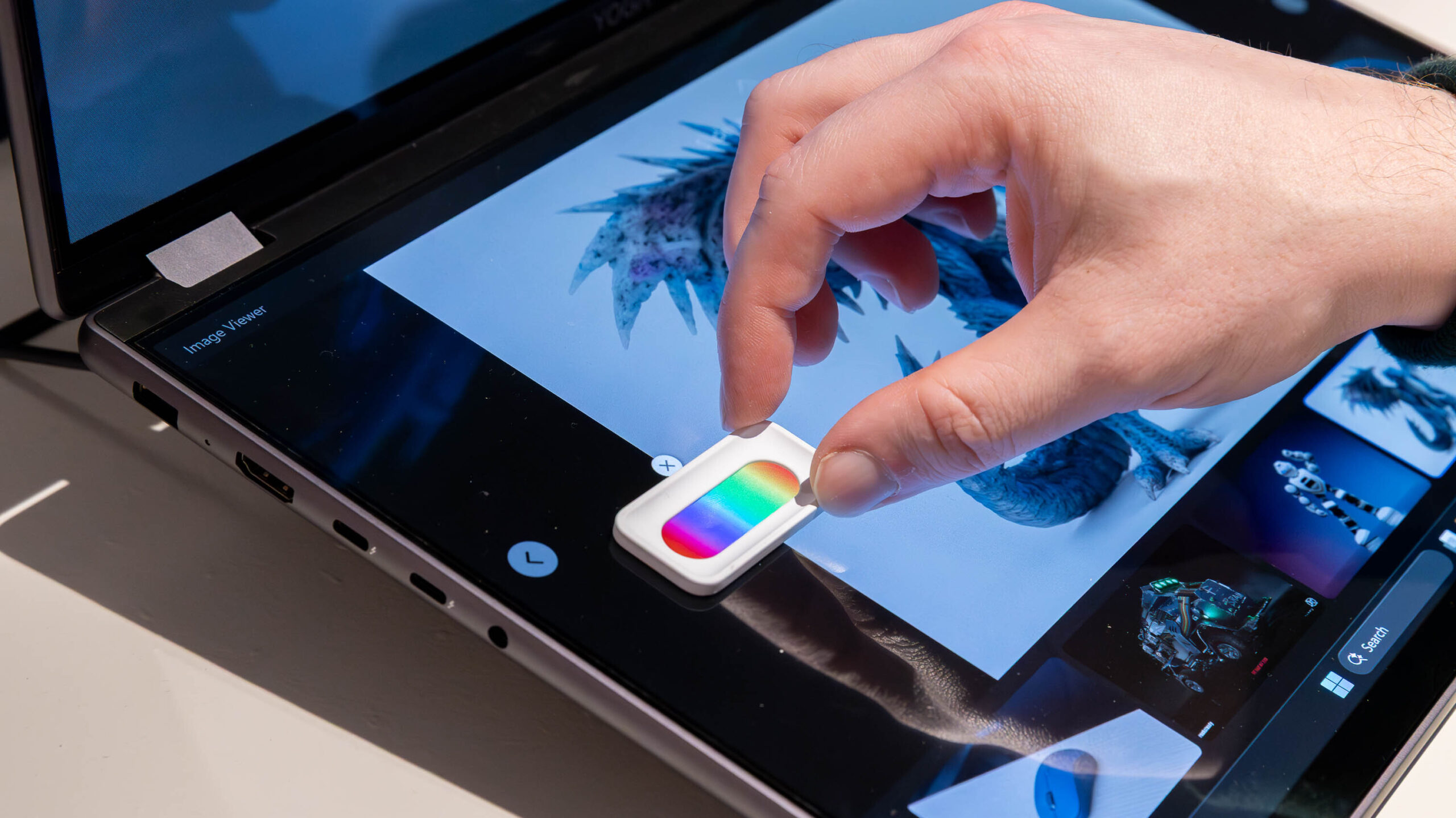
Lenovo is pushing boundaries with the Yoga Book Pro 3D Concept-a dual-OLED display laptop targeted at creators working with 3D content. It tracks eye movement to render 3D visuals without requiring glasses, an evolution of technologies seen in previous Lenovo efforts. Magnetic accessories add configurable touch menus, enhancing workflow customization, and a built-in kickstand supports versatile use angles. This device is notable not just for its tech, but for how it blends utility with experimental features.
Complementing this is the ThinkBook Modular AI PC Concept. Embracing modularity like Framework’s pioneering laptops, it features a 14-inch base unit with attachable elements such as a secondary display, interchangeable I/O ports, and a detachable Bluetooth keyboard. This isn’t just about customization but also suggests Lenovo’s direction toward extending device lifecycles by letting users swap parts based on their changing needs.
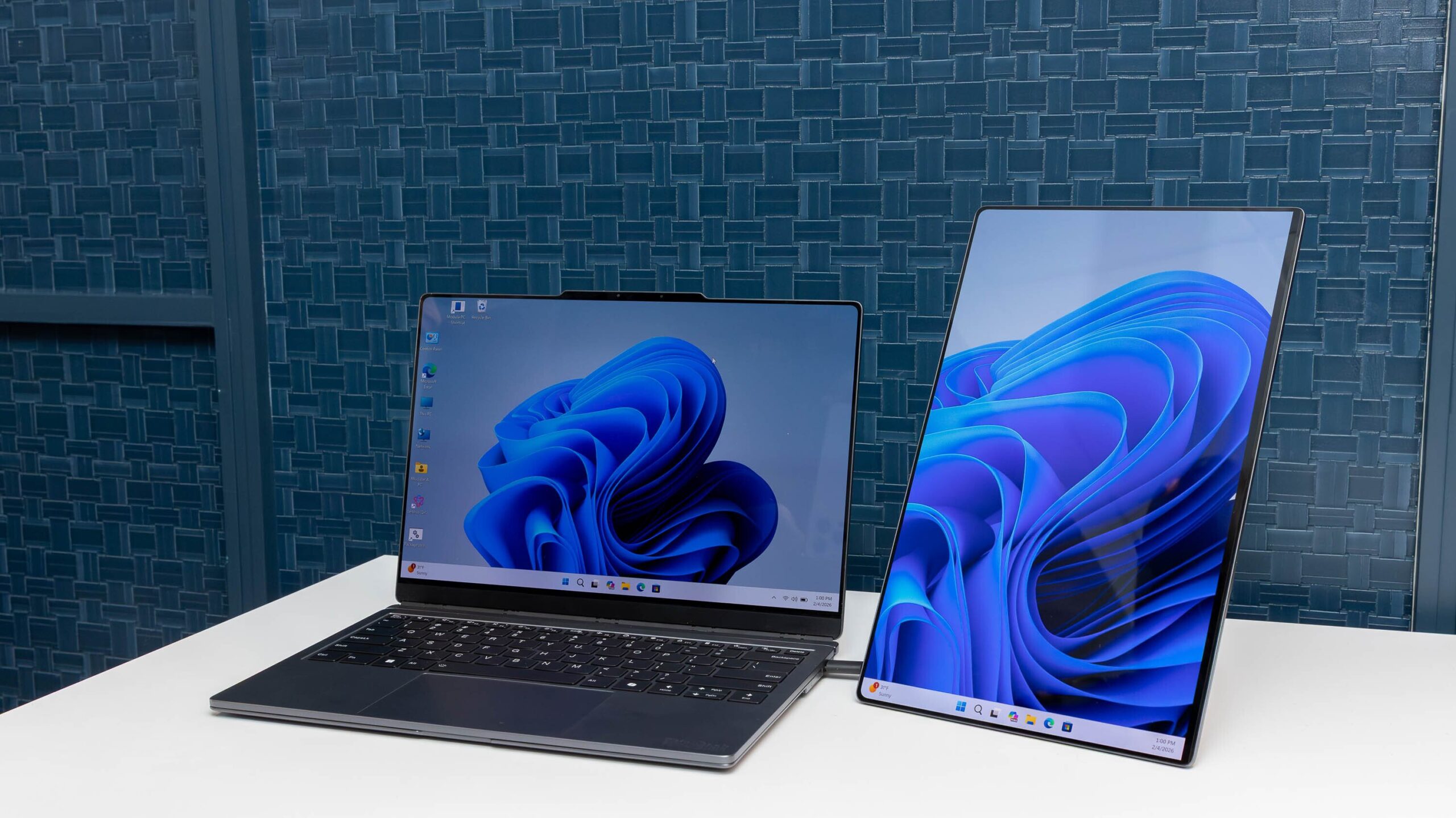
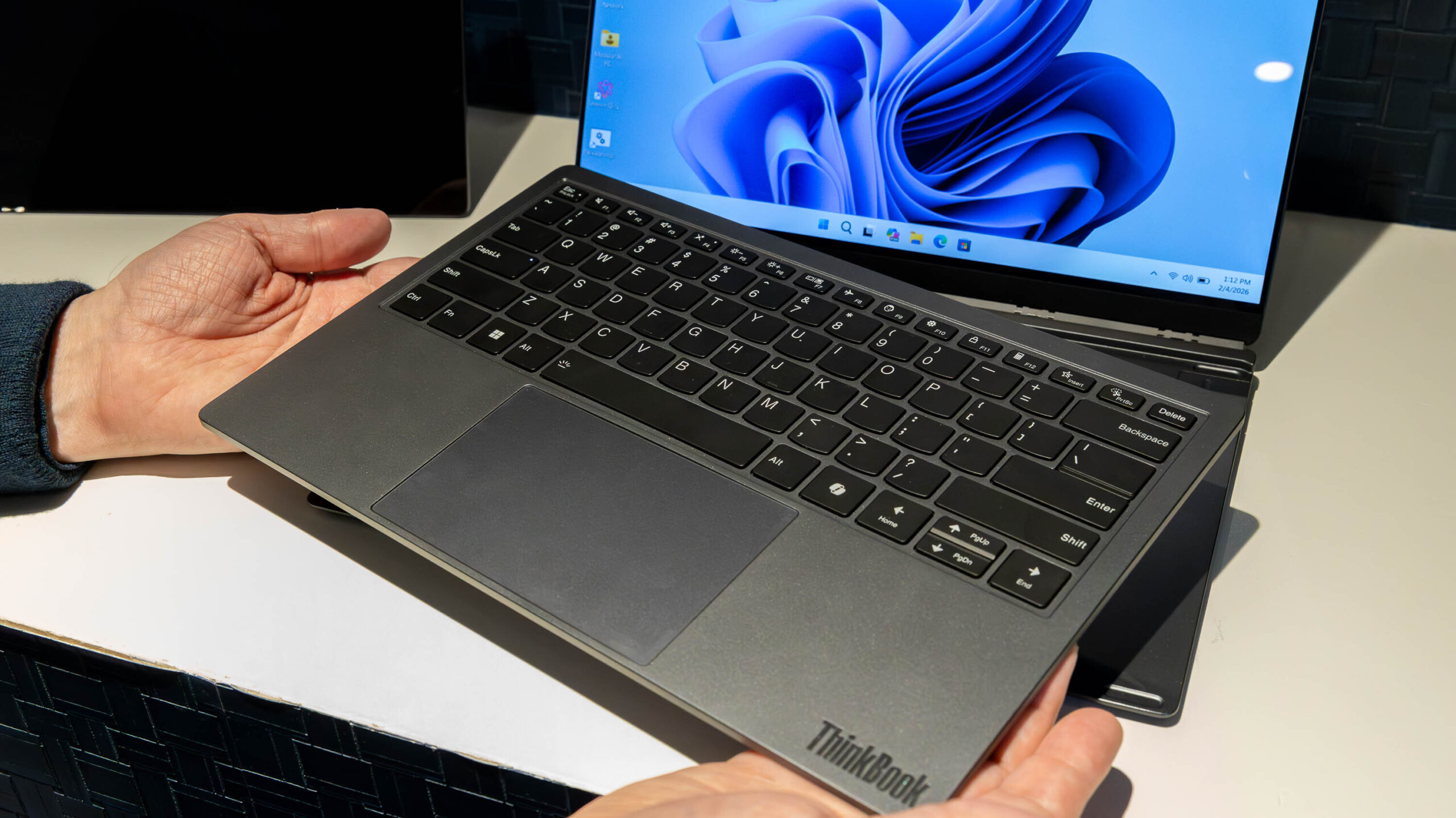
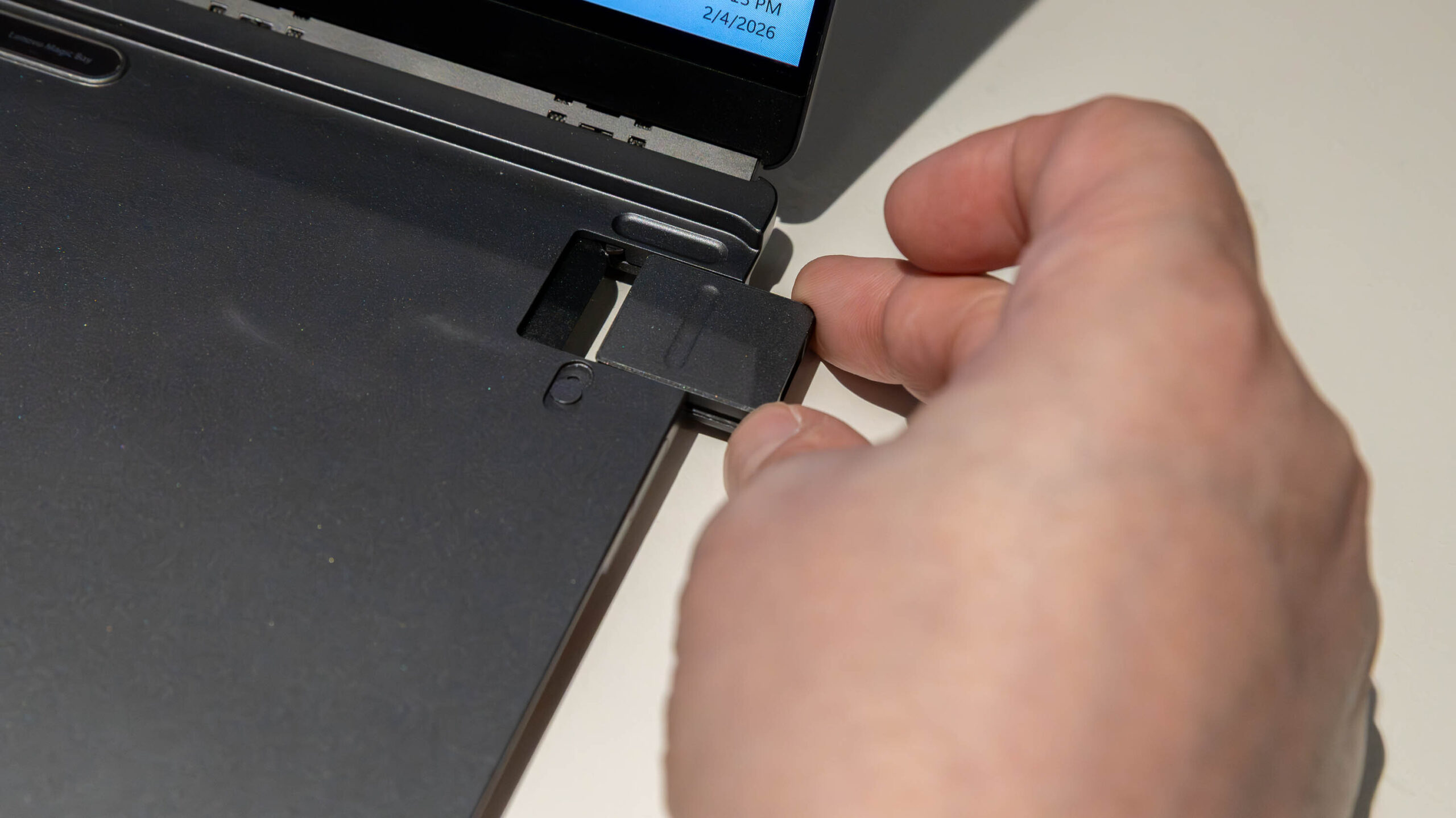
This modular approach also aligns with Lenovo’s broader efforts in 2026 to boost repairability and sustainability, as seen in the ThinkPad X1 Carbon Gen 14 Aura Edition’s ”Space Frame” design for easy internal swapping. The modular ThinkBook concept extends these principles to a wider market, combining adaptability with AI-driven productivity tools.
Broad consumer and enterprise refreshes
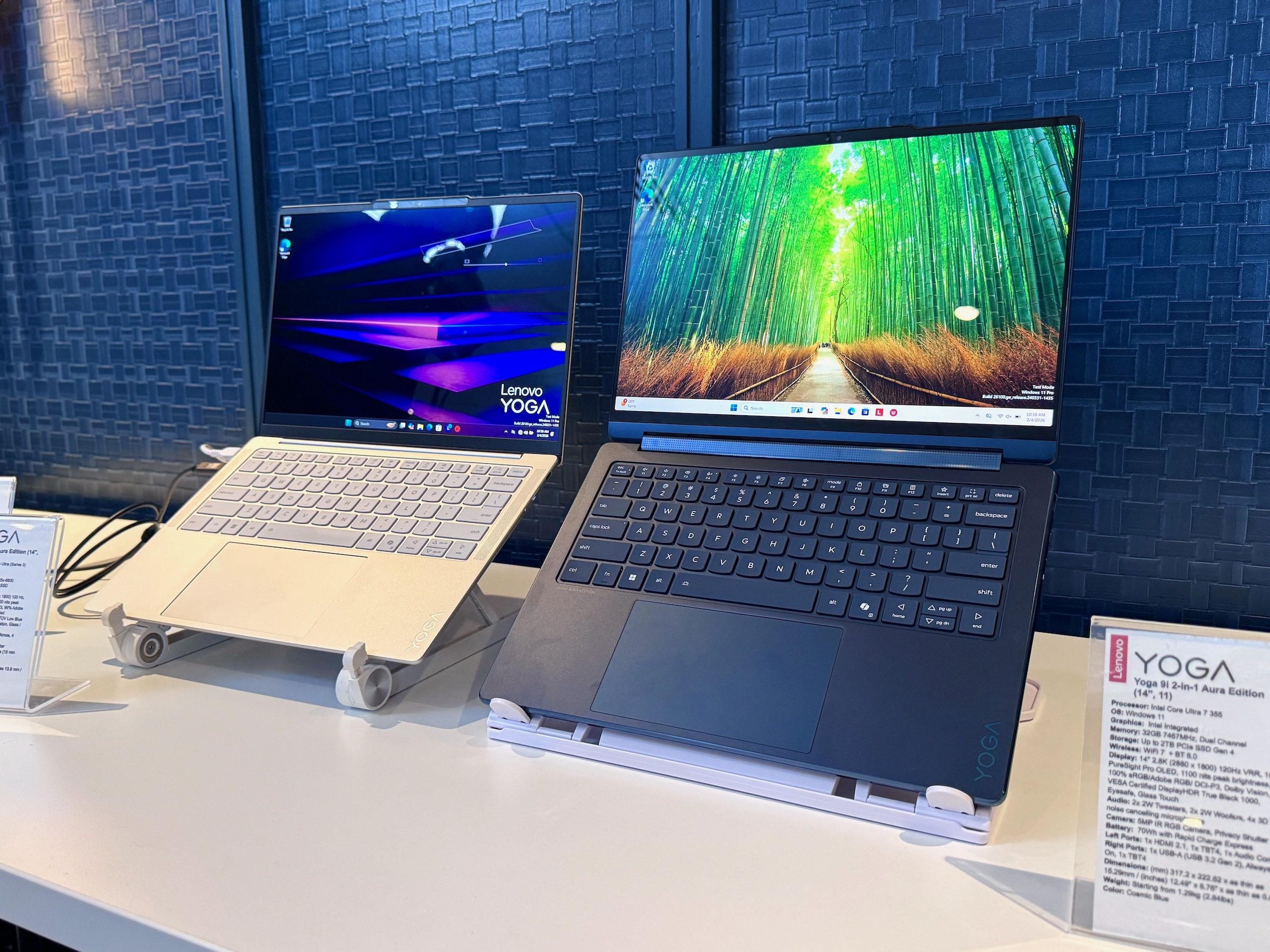
Lenovo’s 2026 consumer lineup boasts several new laptops and tablets, headlined by the Yoga 9i 2-in-1 Aura Edition, which gains Intel’s latest Core Ultra Series 3 chip and a slimmer profile while reintroducing a headphone jack and supporting a magnetic stylus with integrated Canvas mode for artists. This device retails for $1,949 starting in May.
- Yoga Pro 7a: A 15-inch convertible with AMD Ryzen AI Max+ processors and up to 128GB RAM, priced at $2,099 (August release).
- Legion 7a: Lightweight 15-inch gaming laptop featuring an OLED screen and AMD Ryzen AI Max+ chips, launching in July for $2,299.
- IdeaPad Slim 5i Ultra: A thin 14-inch laptop with Intel Ultra Core processors, coming this October for $799.
- Yoga Slim 7i Aura Edition: A portable 14-inch laptop focusing on battery life, $1,449, arriving in April.
- IdeaPad Slim 3i: Budget 17-inch laptop with Intel Core processors, available in October for $599.
- Idea Tab Pro Gen 2: Premium 13-inch Snapdragon 8s tablet with detachable keyboard, $419 (July).
- Legion Tab: 8.8-inch gaming tablet with Snapdragon 8 Elite Gen 5 chipset and 165Hz 3K display, launching in May for $849.
- L16 Mobile Monitor: Portable 16-inch 1200p display (pricing and exact release TBD).
- Yoga Wireless Webcam Concept: A 4K AI-enabled wireless webcam with real-time video editing, geared for Yoga laptops.
Enterprise customers also see a surge of new options, with revamped ThinkPad T-Series models sporting improved repair scores and better speakers, plus an optional 5MP camera for hybrid work setups. Lenovo’s ThinkTab X11 Android tablet answers durability with a rugged MIL-STD-810H certified design and removable battery, aimed at demanding work environments.
- ThinkPad T14 Gen 7 and T16 Gen 5: Business laptops with Intel and AMD Ryzen AI Pro processors, launching Q2 2026 at $1,799.
- ThinkPad T14s Gen 7: Lenovo’s lightest T-Series laptop ever (2.43 lbs) with a 9/10 iFixit repair score, starting at $1,899 (Q2 2026).
- ThinkPad T14s 2-in-1 Gen 2: Convertible with garaged stylus, shipping Q2 2026 for $1,849.
- ThinkPad X13 Detachable: 13-inch convertible with up to 64GB RAM and recharging stylus, arriving Q3 2026 at $1,999.
- ThinkBook 14 2-in-1 Gen 6: Hybrid laptop with an attachable emoji-style AI companion called Magic Bay Tiko, available Q2 2026 for $1,754.
- ThinkTab X11: Rugged Android tablet with removable battery, $499 in Q2 2026.
- ThinkVision M16: 16-inch portable monitor with portrait and landscape modes, $259, releasing Q3 2026.
Two tabletop AI assistants aim to pioneer new desk dynamics
Lenovo’s exploration of AI extends beyond software into physical companions for the workspace. Its AI Work Companion is a discreet, clock-like device that syncs calendars and tasks across devices, nudging users toward balanced schedules and break reminders to fight burnout. The AI Workmate ups the ante with voice, gesture, and spatial interactions, local AI processing, and the ability to scan, summarize, and project documents-complete with charming emoji-like eyes that give it a personality.
This move to flesh out AI’s role into tactile, ambient forms reflects a larger industry trend where AI assistants seek to integrate more fully with daily work rhythms. Whether these prototypes will become consumer products remains uncertain, but Lenovo’s commitment to exploring new interaction models is clear.
Across consumer gadgets, business-focused devices, and visionary concepts, Lenovo’s MWC 2026 presence highlights a company balancing incremental improvements with bold experiments. Its focus on modularity, repairability, and AI companions suggests it views adaptability and personalized workflows as essential, even as it caters to the raw performance demands of gamers and creators. It remains to be seen which concepts will cross the threshold from prototypes to production, but Lenovo’s showcase keeps the conversation about the future of laptops and workspace tools refreshingly wide open.