

Lenovo’s willingness to test such a large, non-folding smartphone screen spotlights the company’s search for renewed relevance. While the device’s exact specs and launch timeline remain unclear, the gadget could find an audience among users frustrated by the durability and cost of foldables yet craving larger displays for productivity and entertainment.
The idea also poses questions about how consumers define smartphones versus tablets in 2026’s evolving tech ecosystem. Will Lenovo’s 7.5-inch approach carve out a profitable niche or simply highlight how difficult the market is for mid-tier players as premium and budget segments continue to polarize?
The 7.5-inch smartphone concept could tap into the growing consumer interest in devices that combine phone portability with tablet-style functionality-something brands like Samsung and Oppo have flirted with using foldable tech. Unlike foldables, Lenovo’s wide flat panel might offer a simpler, more durable alternative for users tired of folding screens but eager for space.
Lenovo has yet to move these designs toward mass production, with development still described as ”average” progress. This experimental phase aligns with Lenovo’s recent efforts to innovate within mobile, such as the launch of its Razr Fold foldable phone at MWC 2026 that boasts an 8.1-inch main screen and advanced Snapdragon 8 Gen 5 internals.
Lenovo’s willingness to test such a large, non-folding smartphone screen spotlights the company’s search for renewed relevance. While the device’s exact specs and launch timeline remain unclear, the gadget could find an audience among users frustrated by the durability and cost of foldables yet craving larger displays for productivity and entertainment.
The idea also poses questions about how consumers define smartphones versus tablets in 2026’s evolving tech ecosystem. Will Lenovo’s 7.5-inch approach carve out a profitable niche or simply highlight how difficult the market is for mid-tier players as premium and budget segments continue to polarize?
Lenovo’s move to test unusual hardware reflects its broader struggle to maintain a foothold in a fiercely competitive market where rivals like Realme and Redmi aggressively undercut prices. Digital Chat Station noted that Lenovo faces difficulties matching such pricing strategies, impacting its mid-range segment sales and pushing it to consider more niche or premium devices to differentiate itself.
The 7.5-inch smartphone concept could tap into the growing consumer interest in devices that combine phone portability with tablet-style functionality-something brands like Samsung and Oppo have flirted with using foldable tech. Unlike foldables, Lenovo’s wide flat panel might offer a simpler, more durable alternative for users tired of folding screens but eager for space.
Lenovo has yet to move these designs toward mass production, with development still described as ”average” progress. This experimental phase aligns with Lenovo’s recent efforts to innovate within mobile, such as the launch of its Razr Fold foldable phone at MWC 2026 that boasts an 8.1-inch main screen and advanced Snapdragon 8 Gen 5 internals.
Lenovo’s willingness to test such a large, non-folding smartphone screen spotlights the company’s search for renewed relevance. While the device’s exact specs and launch timeline remain unclear, the gadget could find an audience among users frustrated by the durability and cost of foldables yet craving larger displays for productivity and entertainment.
The idea also poses questions about how consumers define smartphones versus tablets in 2026’s evolving tech ecosystem. Will Lenovo’s 7.5-inch approach carve out a profitable niche or simply highlight how difficult the market is for mid-tier players as premium and budget segments continue to polarize?
This sizable screen option would significantly diverge from typical smartphone displays, which generally max out around 6.7 inches, positioning Lenovo’s new device to appeal to users seeking expansive real estate for media and multitasking. Alongside the large screen, Lenovo is also working on a 200-megapixel periscope telephoto camera sensor and a 1.5K LCD panel, though the latter’s progress is reportedly slow, prompting the company to explore alternative designs like this large-screen approach.
Lenovo’s move to test unusual hardware reflects its broader struggle to maintain a foothold in a fiercely competitive market where rivals like Realme and Redmi aggressively undercut prices. Digital Chat Station noted that Lenovo faces difficulties matching such pricing strategies, impacting its mid-range segment sales and pushing it to consider more niche or premium devices to differentiate itself.
The 7.5-inch smartphone concept could tap into the growing consumer interest in devices that combine phone portability with tablet-style functionality-something brands like Samsung and Oppo have flirted with using foldable tech. Unlike foldables, Lenovo’s wide flat panel might offer a simpler, more durable alternative for users tired of folding screens but eager for space.
Lenovo has yet to move these designs toward mass production, with development still described as ”average” progress. This experimental phase aligns with Lenovo’s recent efforts to innovate within mobile, such as the launch of its Razr Fold foldable phone at MWC 2026 that boasts an 8.1-inch main screen and advanced Snapdragon 8 Gen 5 internals.
Lenovo’s willingness to test such a large, non-folding smartphone screen spotlights the company’s search for renewed relevance. While the device’s exact specs and launch timeline remain unclear, the gadget could find an audience among users frustrated by the durability and cost of foldables yet craving larger displays for productivity and entertainment.
The idea also poses questions about how consumers define smartphones versus tablets in 2026’s evolving tech ecosystem. Will Lenovo’s 7.5-inch approach carve out a profitable niche or simply highlight how difficult the market is for mid-tier players as premium and budget segments continue to polarize?
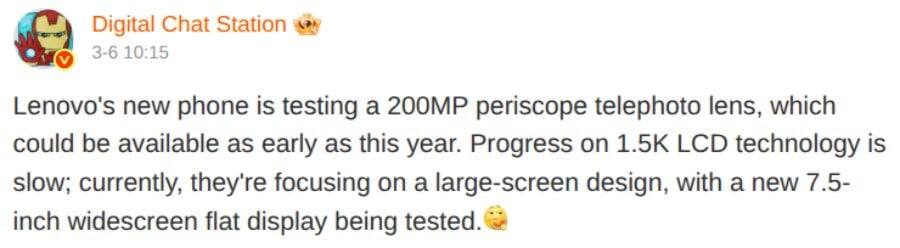
Lenovo is exploring a new smartphone form factor featuring a 7.5-inch display, blurring the line between traditional phones and compact tablets. The development, revealed through a leak by tipster Digital Chat Station, suggests Lenovo is experimenting with a wider, flat-screen design amid challenges in its current smartphone lineup.
This sizable screen option would significantly diverge from typical smartphone displays, which generally max out around 6.7 inches, positioning Lenovo’s new device to appeal to users seeking expansive real estate for media and multitasking. Alongside the large screen, Lenovo is also working on a 200-megapixel periscope telephoto camera sensor and a 1.5K LCD panel, though the latter’s progress is reportedly slow, prompting the company to explore alternative designs like this large-screen approach.
Lenovo’s move to test unusual hardware reflects its broader struggle to maintain a foothold in a fiercely competitive market where rivals like Realme and Redmi aggressively undercut prices. Digital Chat Station noted that Lenovo faces difficulties matching such pricing strategies, impacting its mid-range segment sales and pushing it to consider more niche or premium devices to differentiate itself.
The 7.5-inch smartphone concept could tap into the growing consumer interest in devices that combine phone portability with tablet-style functionality-something brands like Samsung and Oppo have flirted with using foldable tech. Unlike foldables, Lenovo’s wide flat panel might offer a simpler, more durable alternative for users tired of folding screens but eager for space.
Lenovo has yet to move these designs toward mass production, with development still described as ”average” progress. This experimental phase aligns with Lenovo’s recent efforts to innovate within mobile, such as the launch of its Razr Fold foldable phone at MWC 2026 that boasts an 8.1-inch main screen and advanced Snapdragon 8 Gen 5 internals.
Lenovo’s willingness to test such a large, non-folding smartphone screen spotlights the company’s search for renewed relevance. While the device’s exact specs and launch timeline remain unclear, the gadget could find an audience among users frustrated by the durability and cost of foldables yet craving larger displays for productivity and entertainment.
The idea also poses questions about how consumers define smartphones versus tablets in 2026’s evolving tech ecosystem. Will Lenovo’s 7.5-inch approach carve out a profitable niche or simply highlight how difficult the market is for mid-tier players as premium and budget segments continue to polarize?
Lenovo is exploring a new smartphone form factor featuring a 7.5-inch display, blurring the line between traditional phones and compact tablets. The development, revealed through a leak by tipster Digital Chat Station, suggests Lenovo is experimenting with a wider, flat-screen design amid challenges in its current smartphone lineup.
This sizable screen option would significantly diverge from typical smartphone displays, which generally max out around 6.7 inches, positioning Lenovo’s new device to appeal to users seeking expansive real estate for media and multitasking. Alongside the large screen, Lenovo is also working on a 200-megapixel periscope telephoto camera sensor and a 1.5K LCD panel, though the latter’s progress is reportedly slow, prompting the company to explore alternative designs like this large-screen approach.
Lenovo’s move to test unusual hardware reflects its broader struggle to maintain a foothold in a fiercely competitive market where rivals like Realme and Redmi aggressively undercut prices. Digital Chat Station noted that Lenovo faces difficulties matching such pricing strategies, impacting its mid-range segment sales and pushing it to consider more niche or premium devices to differentiate itself.
The 7.5-inch smartphone concept could tap into the growing consumer interest in devices that combine phone portability with tablet-style functionality-something brands like Samsung and Oppo have flirted with using foldable tech. Unlike foldables, Lenovo’s wide flat panel might offer a simpler, more durable alternative for users tired of folding screens but eager for space.
Lenovo has yet to move these designs toward mass production, with development still described as ”average” progress. This experimental phase aligns with Lenovo’s recent efforts to innovate within mobile, such as the launch of its Razr Fold foldable phone at MWC 2026 that boasts an 8.1-inch main screen and advanced Snapdragon 8 Gen 5 internals.
Lenovo’s willingness to test such a large, non-folding smartphone screen spotlights the company’s search for renewed relevance. While the device’s exact specs and launch timeline remain unclear, the gadget could find an audience among users frustrated by the durability and cost of foldables yet craving larger displays for productivity and entertainment.
The idea also poses questions about how consumers define smartphones versus tablets in 2026’s evolving tech ecosystem. Will Lenovo’s 7.5-inch approach carve out a profitable niche or simply highlight how difficult the market is for mid-tier players as premium and budget segments continue to polarize?
Lenovo is exploring a new smartphone form factor featuring a 7.5-inch display, blurring the line between traditional phones and compact tablets. The development, revealed through a leak by tipster Digital Chat Station, suggests Lenovo is experimenting with a wider, flat-screen design amid challenges in its current smartphone lineup.
This sizable screen option would significantly diverge from typical smartphone displays, which generally max out around 6.7 inches, positioning Lenovo’s new device to appeal to users seeking expansive real estate for media and multitasking. Alongside the large screen, Lenovo is also working on a 200-megapixel periscope telephoto camera sensor and a 1.5K LCD panel, though the latter’s progress is reportedly slow, prompting the company to explore alternative designs like this large-screen approach.
Lenovo’s move to test unusual hardware reflects its broader struggle to maintain a foothold in a fiercely competitive market where rivals like Realme and Redmi aggressively undercut prices. Digital Chat Station noted that Lenovo faces difficulties matching such pricing strategies, impacting its mid-range segment sales and pushing it to consider more niche or premium devices to differentiate itself.
The 7.5-inch smartphone concept could tap into the growing consumer interest in devices that combine phone portability with tablet-style functionality-something brands like Samsung and Oppo have flirted with using foldable tech. Unlike foldables, Lenovo’s wide flat panel might offer a simpler, more durable alternative for users tired of folding screens but eager for space.
Lenovo has yet to move these designs toward mass production, with development still described as ”average” progress. This experimental phase aligns with Lenovo’s recent efforts to innovate within mobile, such as the launch of its Razr Fold foldable phone at MWC 2026 that boasts an 8.1-inch main screen and advanced Snapdragon 8 Gen 5 internals.
Lenovo’s willingness to test such a large, non-folding smartphone screen spotlights the company’s search for renewed relevance. While the device’s exact specs and launch timeline remain unclear, the gadget could find an audience among users frustrated by the durability and cost of foldables yet craving larger displays for productivity and entertainment.
The idea also poses questions about how consumers define smartphones versus tablets in 2026’s evolving tech ecosystem. Will Lenovo’s 7.5-inch approach carve out a profitable niche or simply highlight how difficult the market is for mid-tier players as premium and budget segments continue to polarize?